
Blood test flags Alzheimer’s risk years before symptoms
JAMA study tracks healthy older adults with p-tau217 biomarker, demand for screening runs ahead of actionable treatment
Images
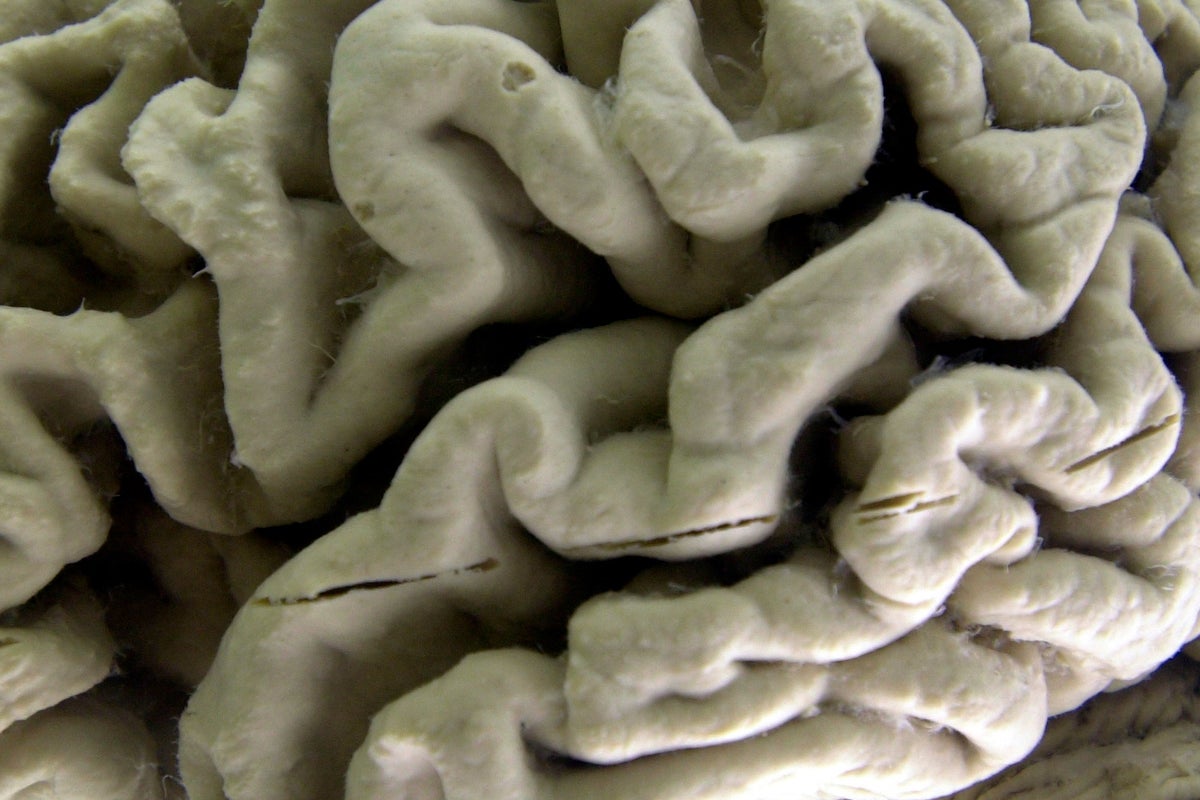 Study shows a blood test can help identify healthy people at high risk for Alzheimer's disease
independent.co.uk
Study shows a blood test can help identify healthy people at high risk for Alzheimer's disease
independent.co.uk
A blood test that measures a tau-related protein in the bloodstream can flag symptom-free older adults who are much more likely to develop cognitive impairment years later, according to research published in JAMA and presented at the Alzheimer’s Association International Conference in London.
The study tracked older adults who were healthy at enrollment in long-running Alzheimer’s studies, then followed them with annual cognitive checkups. Researchers at Mass General Brigham analyzed data from 2,684 participants who took a p‑tau217 blood test at the start; over the years, 478 later developed cognitive impairment.
The most striking signal was concentrated at the very top end of the biomarker. Symptom-free participants with very high p‑tau217 levels faced a 38% risk of developing cognitive impairment over five years, rising to 78% by 10 years, according to the study. Participants with very low levels had a much lower risk over five to 10 years.
The appeal of a blood test is practical: it could sort large populations into “high-risk” and “low-risk” groups without immediate brain scans or spinal taps, and it could help fill prevention trials with people likely to develop symptoms within a realistic study window. That matters because large trials are already testing whether drugs can prevent or delay Alzheimer’s disease, and enrolling the right participants is often the difference between a clean result and an expensive null.
But the paper’s own cautions show why this is still closer to research infrastructure than consumer screening. Some scientists noted that only a small fraction of participants were followed for a full decade, which weakens confidence in the 10-year estimate. Longer horizons also collide with mundane confounders: older people die of other causes, and cognitive decline can reflect vascular disease or other dementias that a tau marker will not neatly separate.
A commentary in JAMA by Suzanne Schindler and David Wolk argued that blood tests are not yet precise enough for individualized prognosis. Even within the study, the biomarker seems to work less like a crystal ball and more like a staging tool: p‑tau217 correlates with amyloid plaque buildup and indicates tau tangles, but many people accumulate amyloid without ever developing dementia, and the “tipping point” appears most visible only at the highest levels.
That mismatch is already showing up outside the lab. The Independent reports that people with a family history of Alzheimer’s are requesting p‑tau217 testing, even as researchers urge restraint. Study senior author Reisa Sperling of the Mass General Brigham Neuroscience Institute and other experts, including Jessica Langbaum of the Banner Alzheimer’s Institute, warned that healthy people should wait until there are clearer, actionable treatments.
In the study, a single blood draw at enrollment preceded years of annual checkups, and the group with the highest p‑tau217 readings carried most of the near-term risk that prevention trials are trying to capture.