
Trump threatens to hit Iran power plants and bridges
US resumes naval blockade and keeps strikes going as Hormuz becomes the central prize, toll idea scrapped while leverage stays
Images
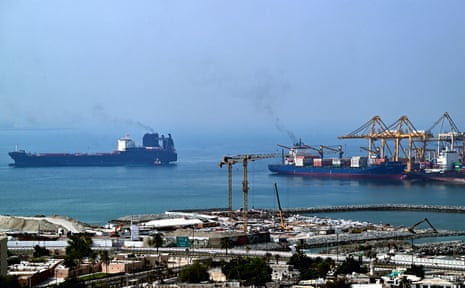 Ships docked along a pier in the Gulf of Oman. Donald Trump has threatened Iran’s power plants amid a continuing disagreement over use of the strait of Hormuz. Photograph: AFP/Getty Images
theguardian.com
Ships docked along a pier in the Gulf of Oman. Donald Trump has threatened Iran’s power plants amid a continuing disagreement over use of the strait of Hormuz. Photograph: AFP/Getty Images
theguardian.com
Trump threatens strikes on Iranian power plants and bridges, US blockade and air strikes return focus to Strait of Hormuz control, toll plan dropped as Gulf investment talks take over
Donald Trump threatened to strike Iran’s power plants and bridges “next week” if Tehran does not agree to a deal, according to The Guardian, speaking in an interview on Fox News. The report says US forces carried out strikes against Iran for a fourth consecutive day, while Washington reimposed a naval blockade on Iran’s ports in the Strait of Hormuz. Iranian state media reported explosions near Bandar Abbas and other locations.
The threat targets infrastructure that keeps civilian life functioning. The Guardian notes that destroying power and water facilities would be illegal under international humanitarian law and could constitute a war crime, placing Trump’s rhetoric in direct collision with the legal constraints that normally govern escalation. Yet the operational posture described in the same piece—continued strikes and a blockade—shows how quickly the dispute has moved from deterrent language to measures that affect shipping and insurance markets in real time.
Hormuz is where military statements become price signals. The strait is a key channel for Gulf oil and gas, and The Guardian says Tehran has repeatedly attacked civilian vessels there. US Central Command said the renewed strikes aimed to degrade Iranian capabilities used to attack commercial shipping. Iran, for its part, reported retaliation: IRNA said Iranian forces launched a drone attack on a military base in Jordan that hosts American warplanes.
The episode also illustrates how Washington tests what it can charge for what it already claims to provide. The Guardian reports Trump had previously floated a 20% fee for “security” in the Strait of Hormuz, then scrapped the toll after what he called “highly productive conversations with Middle East leadership.” Instead, he announced “massive” investments and trade deals with Gulf Arab states, while keeping the blockade in place. The toll disappears, the leverage remains, and the cost is shifted into slower traffic, higher risk premiums, and the constant possibility that a threat made on television becomes a strike plan.
A ceasefire is now treated as a document that can be voided by the next operational order. The Guardian writes that a 17 June ceasefire between the US and Iran has “effectively collapsed,” with control over Hormuz again the focal point. Iran’s deputy foreign minister Kazem Gharibabadi said the renewed blockade had, “in a way,” dismantled the Islamabad memorandum—another sign that the paper architecture of de-escalation is only as durable as the shipping lanes it is supposed to protect.
Asked how long US strikes would continue, Trump told Fox News: “They’ll continue until I say it’s enough.” The blockade continues even after the toll is dropped.