
China reports slower quarterly growth
Official GDP expands 4.3% in April to June as domestic demand lags, export surge leans on EVs and AI supply chain
Images
 bbc.com
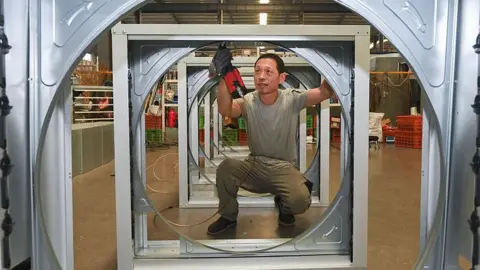 VCG via Getty Images An employee at a wind turbiner manufacturing company uses work tools to put together some steel parts. In the image, he is pictured squatting at the centre of one of the steel frames.
bbc.com
VCG via Getty Images An employee at a wind turbiner manufacturing company uses work tools to put together some steel parts. In the image, he is pictured squatting at the centre of one of the steel frames.
bbc.com
 China's economy slows to 4.3% annual pace of growth in April-June
independent.co.uk
China's economy slows to 4.3% annual pace of growth in April-June
independent.co.uk
China’s official figures show the economy grew 4.3% year-on-year in the April-to-June quarter, down from 5% in the first quarter, as weak domestic demand offset another burst of export growth. The BBC reports the data is the first full quarter since the Iran war began and pushed oil prices higher, adding to pressure on households and businesses already cautious about spending.
The numbers underline a pattern that has become familiar: factories and ports are doing more of the work than consumers and property developers. Customs data cited by the BBC shows exports jumped sharply in June, with demand for semiconductors used in AI data centres and rising shipments of electric vehicles helping to drive the rebound. Associated Press reporting carried by The Independent similarly points to strong exports in the first half of the year while noting that domestic spending and investment have lagged, limiting how much export manufacturing can lift the broader economy.
Beijing has already lowered its growth ambition compared with earlier decades, and the BBC notes the government cut its annual target range earlier this year to the lowest since the early 1990s. That matters outside China because the country’s trading partners are being asked to absorb ever more output at a time when they are simultaneously debating new tariff walls and supply-chain restrictions. When domestic consumption fails to take the baton, the easiest lever is to keep production lines moving and look abroad for buyers, which is why export surges can coexist with subdued confidence at home.
The domestic indicators in the same data release point to the constraints. The BBC highlights a long-running property slump and weak consumer spending, with new home prices still edging down and retail sales only modestly higher. AP adds that the imbalance between export strength and softer internal demand is what keeps headline growth below where officials would like it, even as global demand for Chinese-made EVs and AI-related components rises.
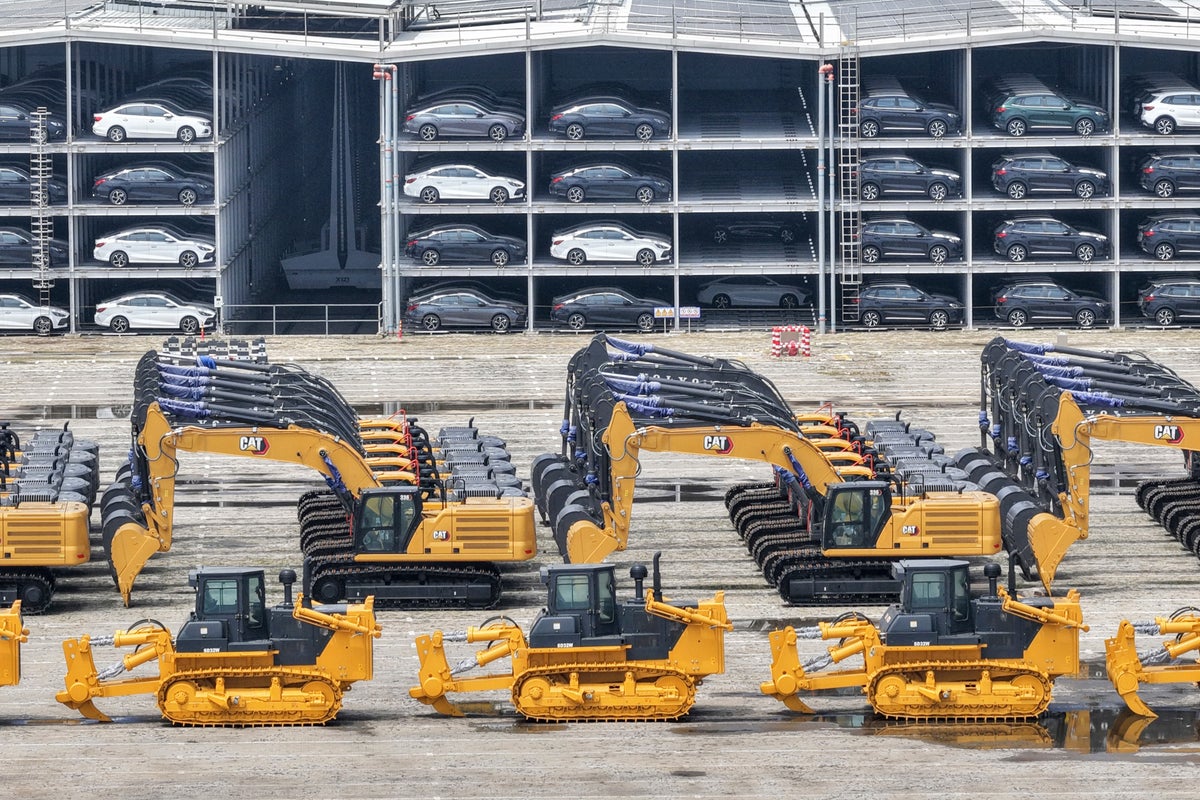
In June, China also crossed a symbolic threshold: monthly car exports topped one million units for the first time, according to the BBC. The quarter’s 4.3% growth rate arrived with that export milestone in the background and with new home prices still falling, a split screen that captures where the momentum is—and where it is not.