
Malaria vaccine rollout stalls at fourth dose
Cameroon and pilot data show steep drop-off in boosters, aid cuts and clinic follow-up become the limiting factor
Images
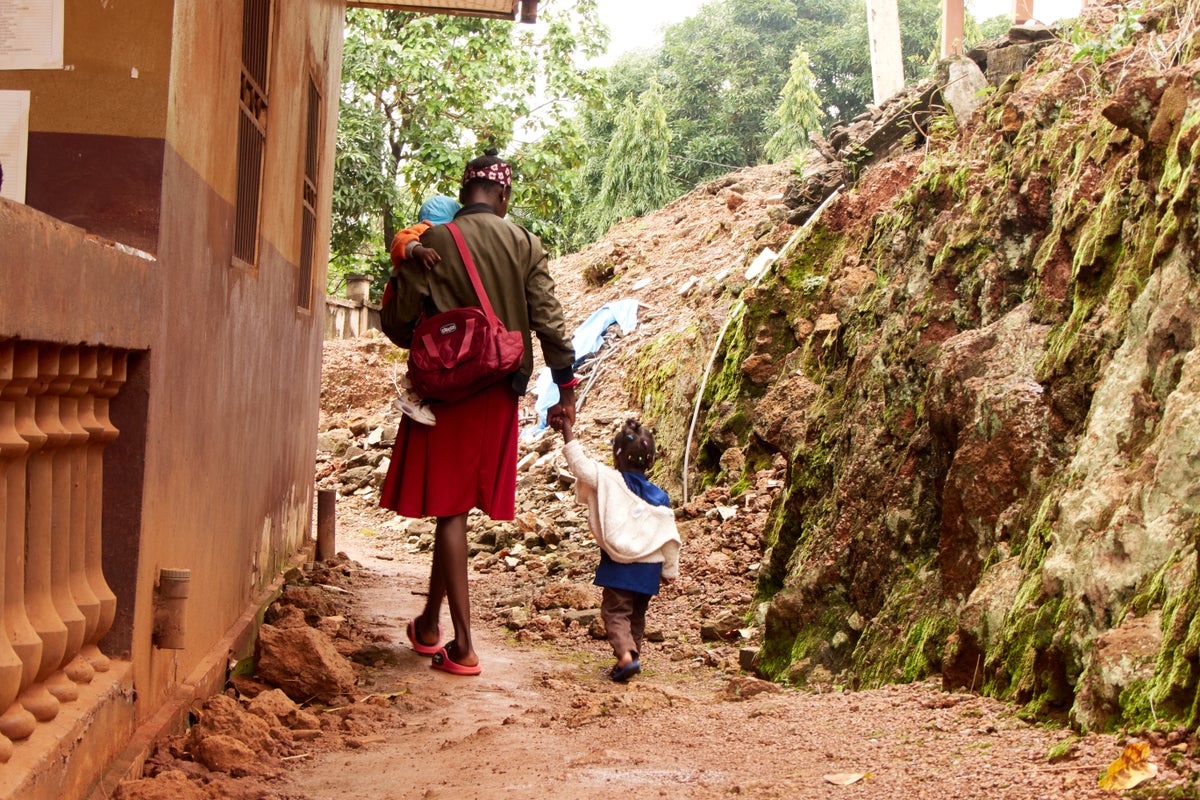 The new malaria vaccine helps in Africa but faces a test: Completing all 4 doses
independent.co.uk
The new malaria vaccine helps in Africa but faces a test: Completing all 4 doses
independent.co.uk
More than 52 million doses of malaria vaccine have been delivered to 25 high-risk African countries, but health officials say a basic logistical problem is limiting the impact: too many children do not return for the final booster. Reporting from Cameroon, The Independent describes parents bringing infants for early doses while clinics struggle to keep families engaged through a fourth shot given months later.
Cameroon was the first country to put the RTS,S malaria vaccine into its routine immunisation programme more than two years ago, and health workers there say severe malaria illness is falling. The World Health Organization has emphasised that the fourth and final dose is essential to prolong immunity, yet follow-through drops sharply across the continent. In a pilot programme spanning districts in Ghana, Kenya and Malawi, about 80% of eligible children received the first dose at around six months of age, but coverage fell to 46% for the fourth dose given between 22 and 24 months, according to a 2023 study in the Malaria Journal cited by The Independent.
That pattern reflects how vaccination systems are built around the early months of life, when families are already interacting with clinics for multiple childhood shots, and how quickly contact thins out as children age and households return to work and travel constraints. A multi-dose schedule turns public health into a retention business: every additional appointment competes with transport costs, seasonal labour, and the simple fact that a healthy child does not create urgency. In Cameroon, malaria remains the leading cause of hospital consultations and admissions, yet the vaccine’s benefits are easiest to miss precisely when it is working.
The numbers underline both promise and fragility. WHO and UNICEF estimate malaria kills nearly one child under five every minute globally, with the vast majority of deaths in Africa. Cameroon is one of 11 countries accounting for roughly 70% of the global burden, and recorded an estimated 7.6 million cases and 11,700 deaths in 2024, according to figures cited by The Independent. The country’s National Malaria Control Program reports an estimated drop in cases in 2025 compared with 2024, and its prevention head, Dr Bomba Amougou, said the vaccine contributed but was not the only cause.
Supply is no longer the only bottleneck. Gavi, the Vaccine Alliance, says rollout is being constrained by foreign aid cuts by the Trump administration and others, even as it guarantees supply to cover up to 70% of eligible children in the lowest-income countries. Clinical trials in several African countries found RTS,S and the newer R21 vaccine reduced clinical malaria cases by more than 50% during the first year after three doses, but those gains depend on systems that can keep families coming back long after the first clinic visit.
In Cameroon’s programme, early-dose coverage has inched up, but the fourth appointment still arrives when the calendar—and the state’s outreach capacity—has moved on. The vaccine may be in the fridge; the missing piece is the child who never returns.