
UK plans social media curfew for 16- and 17-year-olds
Default midnight lockouts target infinite scroll and AI chatbots, policy built on settings teenagers can switch off
Images
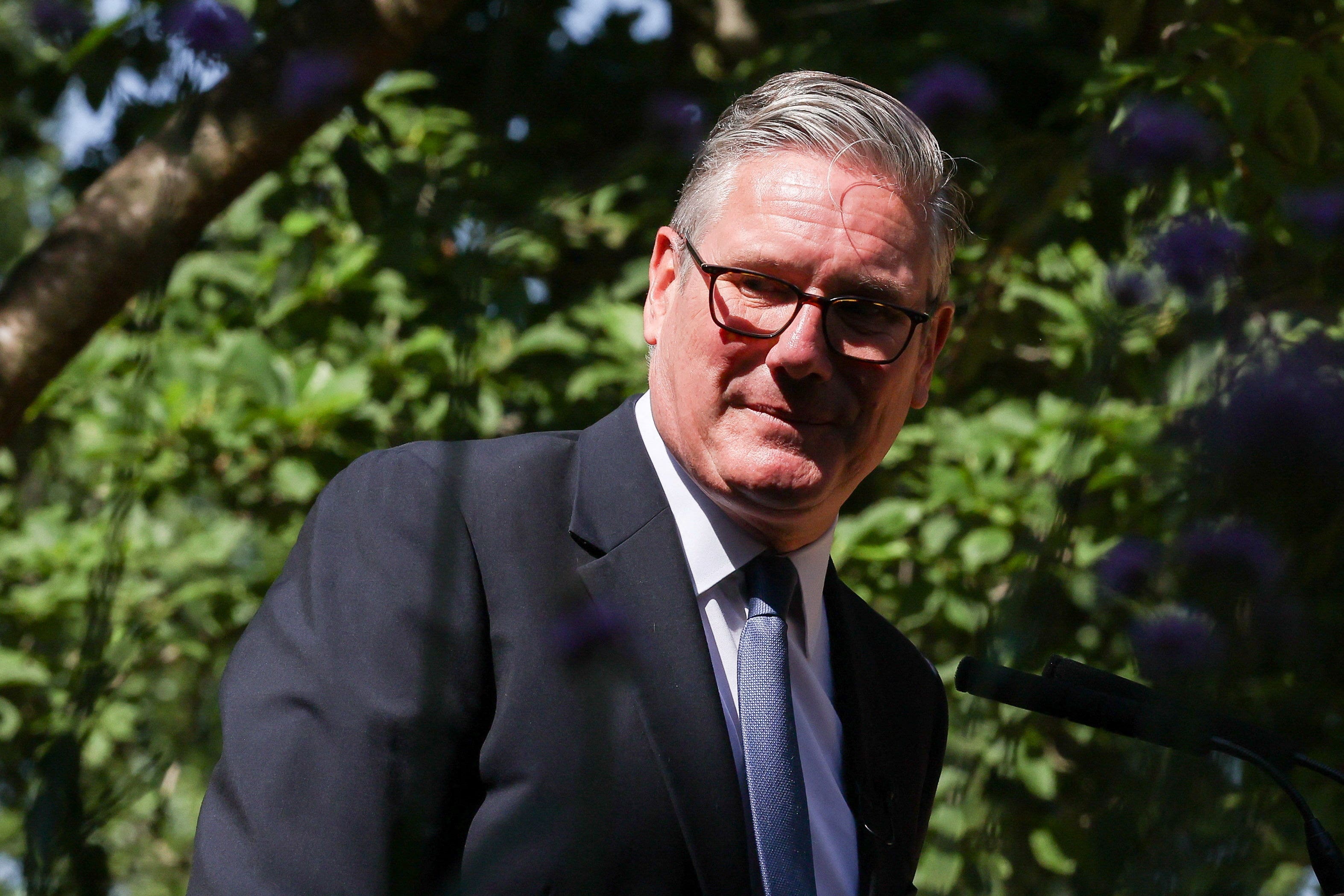 These changes are part of Sir Keir’s wider restrictions on children’s social media (PA Wire)
PA Wire
These changes are part of Sir Keir’s wider restrictions on children’s social media (PA Wire)
PA Wire
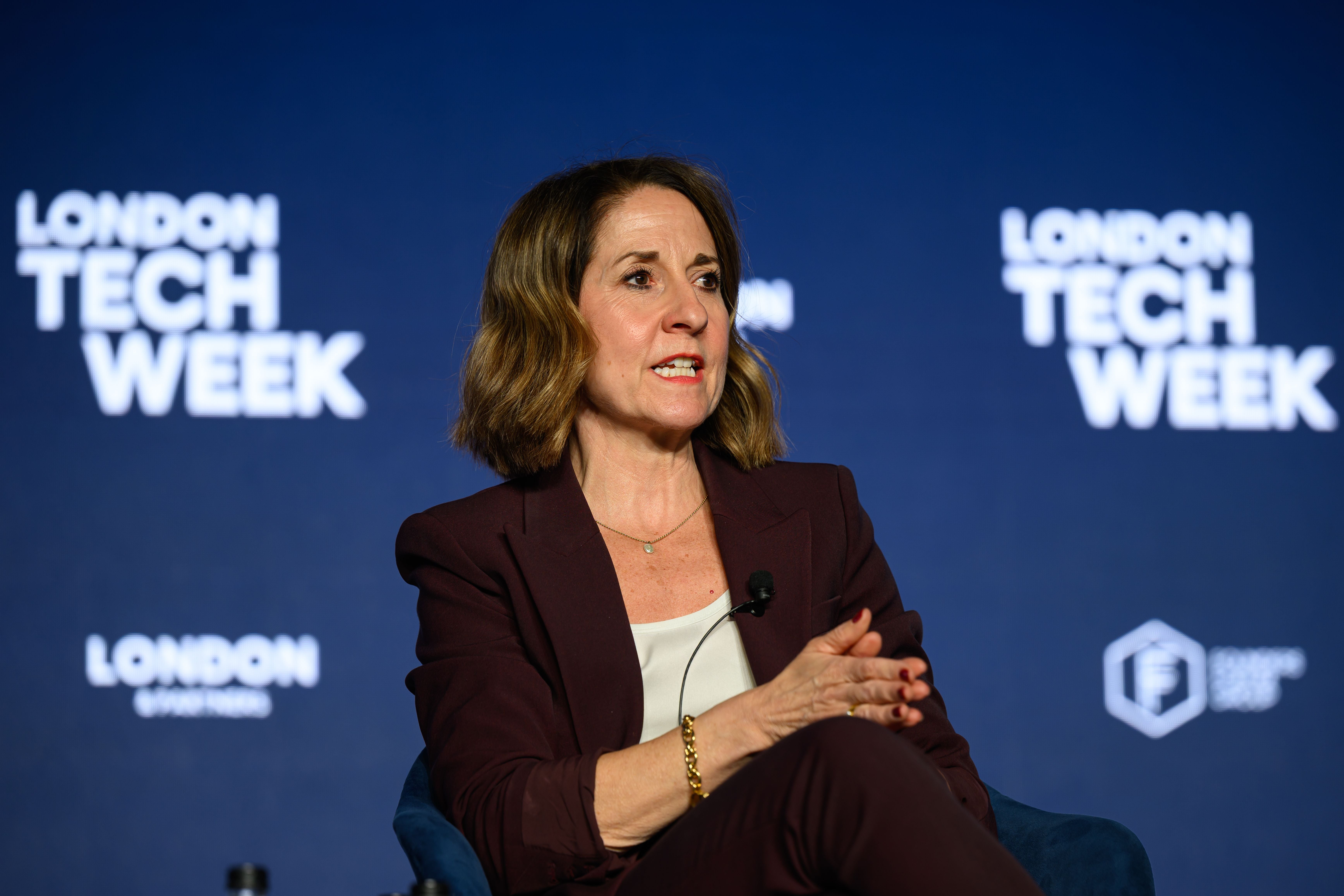 Technology secretary Liz Kendall is keen to introduce new safeguards for kids (Getty)
Getty
Technology secretary Liz Kendall is keen to introduce new safeguards for kids (Getty)
Getty
UK plans overnight social media curfew for 16- and 17-year-olds, default settings target infinite scroll and AI chatbots, voluntary controls highlight limits of state regulation
The UK government is preparing a voluntary overnight social media curfew for 16- and 17-year-olds, with default settings set to block access between midnight and 6am, according to The Independent. The plan would automatically disable features such as infinite scrolling and algorithmic feeds, and introduce breaks in the use of AI chatbots. Ministers say the measures are intended to reduce addictive use and improve sleep and concentration.
The proposal lands amid a broader push by Keir Starmer’s government to regulate youth access to digital platforms. The Independent reports that the government unveiled a social media ban for under-16s last month, expected to begin next spring, covering major platforms including Snapchat, TikTok, YouTube, Instagram, Facebook and X, while excluding messaging services such as WhatsApp and Signal. The new curfew approach for older teenagers is framed less as a prohibition than as a set of defaults: teenagers can switch off the settings, a detail critics have seized on as proof that the policy relies on compliance rather than enforcement.
That design choice is also the point. A curfew implemented through platform settings shifts the practical burden onto technology firms while allowing government to claim action without building a policing apparatus for teenage phone use. It also creates a new compliance surface: platforms must define age, apply defaults, and explain how users can override them. The Independent cites a government pilot involving more than 300 teenagers and parents which reported improved sleep and concentration with overnight curfews, evidence ministers are using to justify a national rollout.
The same package extends to AI services. The Technology Secretary, Liz Kendall, is expected to announce guidance for children, parents and guardians on safe AI use, and measures aimed at limiting “dangerous, misleading, or unverified” mental health advice from chatbots, with ministers considering bans for services deemed a serious threat to children, The Independent reports. Media literacy teaching in schools is also due to be strengthened from September, adding an educational layer to what is otherwise a product-design intervention.
The political timing is hard to miss. The Independent says the announcement comes days before the Makerfield by-election, and notes that key details will fall to the incoming prime minister Andy Burnham to resolve. Meanwhile, the Conservative shadow education secretary Laura Trott has attacked the curfew as performative, arguing that it can be switched off and sits awkwardly with policies that treat 16-year-olds as adults in other contexts.
For now, the government’s most concrete lever is the default setting: a midnight lockout that can be undone with a tap, and a policy that depends on whether platforms implement friction more faithfully than teenagers bypass it.