
US resumes naval blockade of Iranian ports
Trump drops Hormuz toll plan for Gulf trade and investment deals, shipping slowdown turns policy statements into fuel prices
Images
 Shipping data shows traffic through the Strait has slowed dramatically
bbc.com
Shipping data shows traffic through the Strait has slowed dramatically
bbc.com
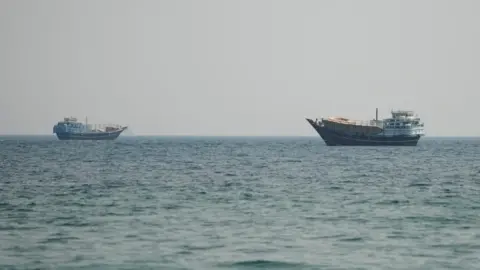 Shipping data shows traffic through the Strait has slowed dramatically
bbc.com
Shipping data shows traffic through the Strait has slowed dramatically
bbc.com
 US carries out more strikes on Iran and resumes blockade of nation’s ports – Middle East crisis live
theguardian.com
US carries out more strikes on Iran and resumes blockade of nation’s ports – Middle East crisis live
theguardian.com
US resumes naval blockade of Iranian ports, Trump drops Hormuz toll plan for Gulf deals, tanker traffic slows as oil prices jump
US Central Command said a naval blockade of Iranian ports and coastal areas would go into effect Tuesday afternoon, as Washington carried out further strikes aimed at degrading Iranian capabilities used to attack commercial shipping in the Strait of Hormuz. The BBC reports that President Donald Trump simultaneously walked back a proposal to charge a fee on cargo moving through the strait, saying it would be replaced by trade and investment deals with Gulf states.
The Strait of Hormuz is a narrow chokepoint that, before recent disruption, carried roughly a quarter of the world’s oil and about a fifth of global liquefied natural gas, according to the BBC. Shipping data cited by the broadcaster shows traffic has fallen to a two‑month low, and it reports that tanker movements have “virtually stalled” since the latest escalation. Oil prices have risen sharply, a reminder that even limited military exchanges in the Gulf can translate into immediate costs for consumers and industry far from the region.
Trump’s messaging has shifted between treating the strait as a billable protection service and as an open lane for “all ship traffic except for Iran,” in the BBC’s account. The practical policy, however, is enforcement: a US‑declared blockade designed to squeeze Iran’s economy by limiting maritime access, backed by strikes intended to reduce Tehran’s ability to hit shipping. Tehran, for its part, has framed the situation as US interference, while also claiming it has targeted US facilities in Bahrain and Jordan and hit two United Arab Emirates tankers.
The result is a market where private operators are asked to price political risk that governments can change by statement. Trump said he changed course on the toll after calls from Gulf leaders, but provided no details on the promised trade and investment deals. For shipping firms and insurers, the relevant information is not the rhetoric but whether vessels can transit safely, whether ports are accessible, and whether rules will be enforced consistently enough to plan routes and contracts.
The Guardian’s live coverage reported explosions heard in Bandar Abbas, while Iran’s state media reported blasts in multiple cities including Bushehr, home to a nuclear power plant. Israel’s prime minister Benjamin Netanyahu also warned that retaliation would be far more powerful if Israel were attacked first.
CENTCOM’s blockade start time was posted like a schedule update. The ships that normally move through the strait have been behaving as if it were a closure notice.