
Trump hosts Iraq prime minister Ali al-Zaidi
Former bank chair arrives under US scrutiny of dollar channels, militia disarmament deadline becomes White House yardstick
Images
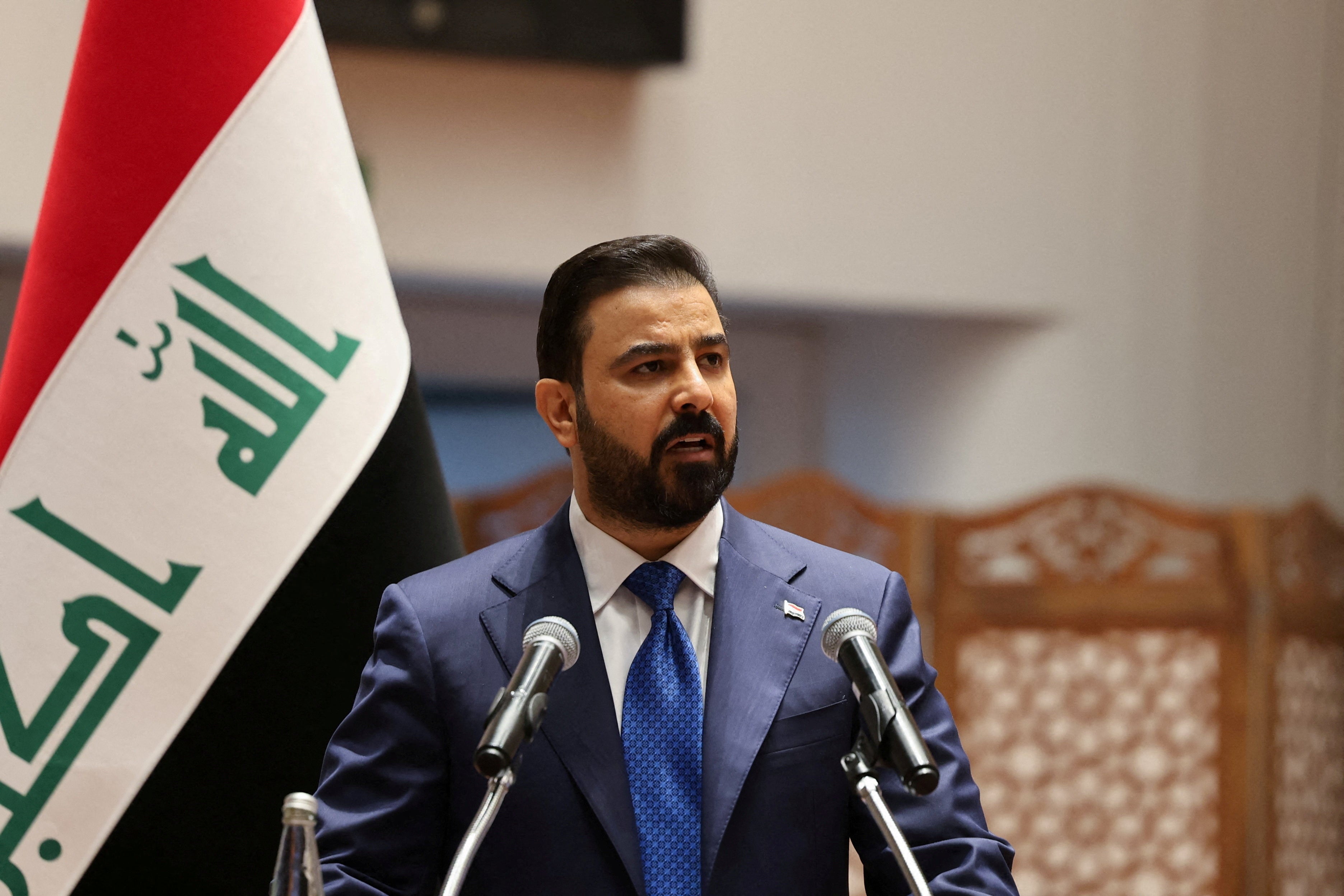 Iraqi Prime Minister-designate Ali al-Zaidi speaks during a parliamentary session to vote in a new government headed by Ali al-Zaidi as prime minister, at the parliament headquarters in Baghdad, Iraq, May 14, 2026 (Reuters)
Reuters
Iraqi Prime Minister-designate Ali al-Zaidi speaks during a parliamentary session to vote in a new government headed by Ali al-Zaidi as prime minister, at the parliament headquarters in Baghdad, Iraq, May 14, 2026 (Reuters)
Reuters
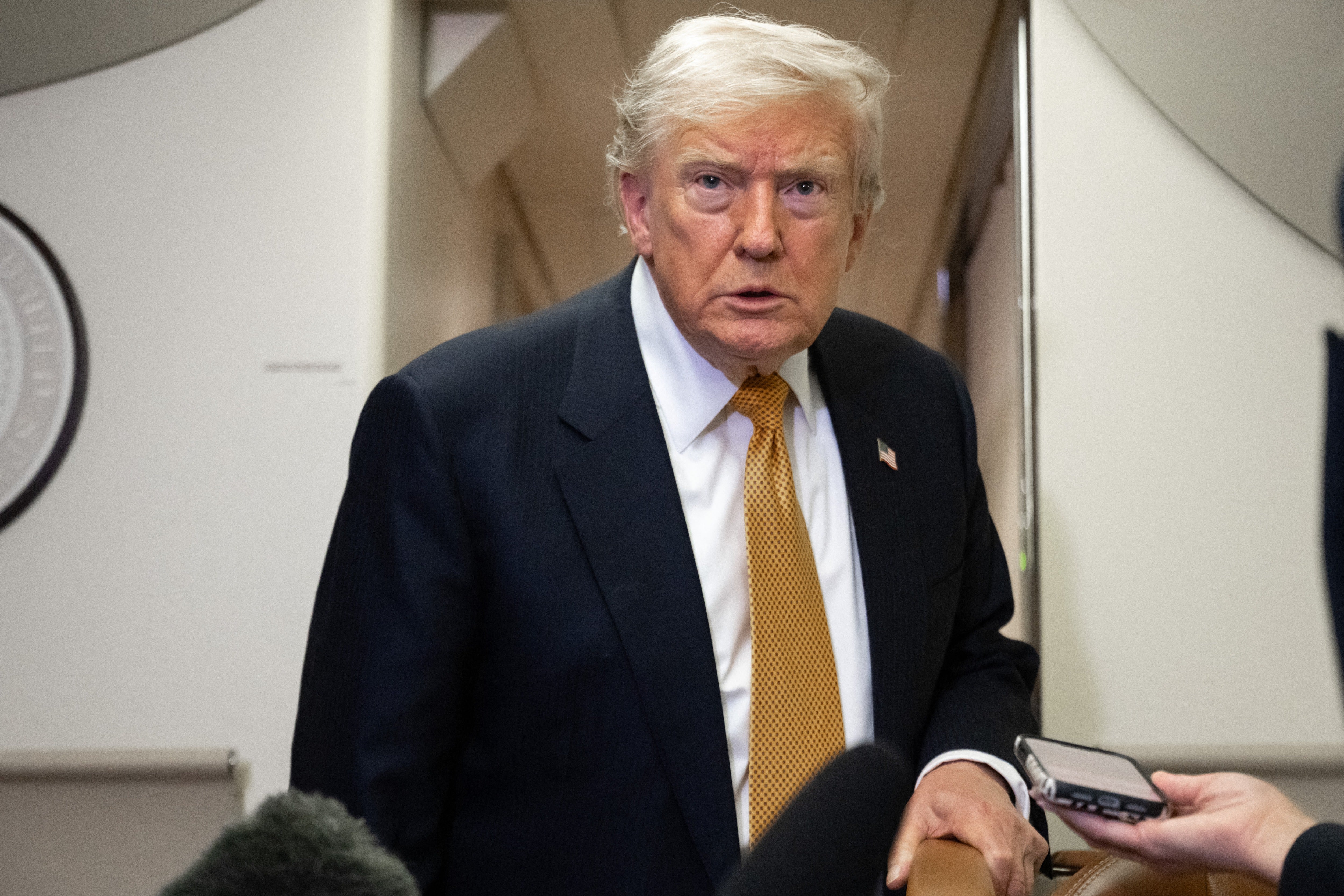 Trump is welcoming Iraq's new prime minister to the White House on Tuesday after strongly backing the political neophyte in his bid for office (AFP via Getty Images)
AFP via Getty Images
Trump is welcoming Iraq's new prime minister to the White House on Tuesday after strongly backing the political neophyte in his bid for office (AFP via Getty Images)
AFP via Getty Images
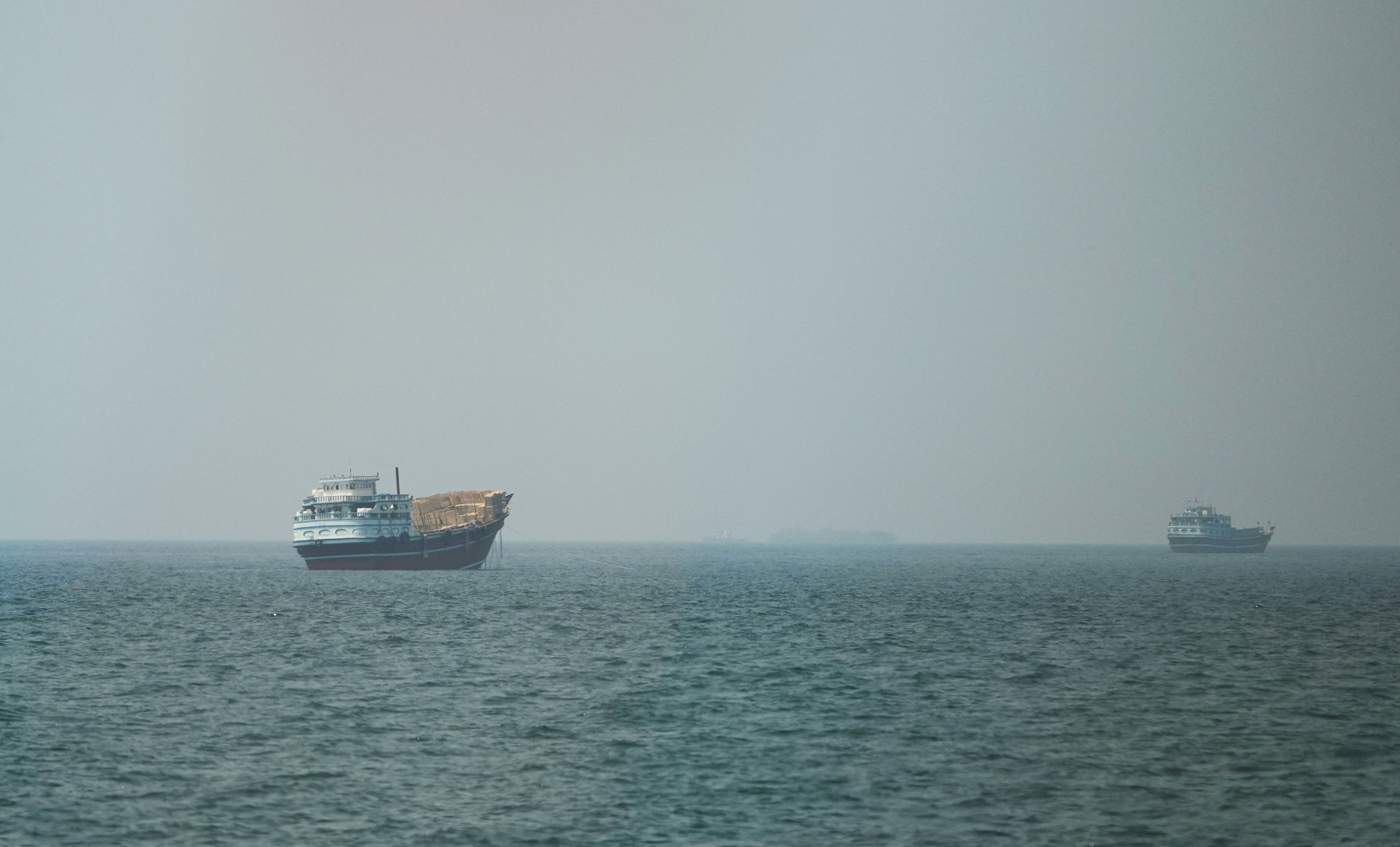 Vessels at the Strait of Hormuz, as seen from Musandam,Oman, July 13, 2026 (Reuters)
Reuters
Vessels at the Strait of Hormuz, as seen from Musandam,Oman, July 13, 2026 (Reuters)
Reuters
US President Donald Trump is set to receive Iraq’s new prime minister Ali al-Zaidi at the White House on Tuesday, as Washington presses Baghdad to confront Iran-backed armed groups and financial channels. The Independent reports that al-Zaidi previously chaired Al-Janoob Islamic Bank, one of several Iraqi banks barred in 2024 by Iraq’s central bank from conducting US dollar transactions after US pressure to curb money laundering and stop funds reaching Iran through Iraq’s banking system.
The meeting puts Iraq’s balancing act on display: a government that depends on access to the dollar system and foreign investment while operating alongside militias that can make those relationships costly. The restrictions described in the report did not target al-Zaidi personally, and there have been no public allegations that he engaged in wrongdoing related to the bank sanctions. But the association matters because the US has been treating Iraq’s banking plumbing as part of the Iran problem — a place where enforcement can be applied without firing a shot.
Al-Zaidi arrives as a political compromise after months of deadlock following the 2025 parliamentary elections, and he was named prime minister-designate in April. Since taking office, he has made fighting corruption a signature issue, overseeing raids and arrests that have targeted dozens of current and former lawmakers and officials, including figures linked to a former prime minister, according to the same reporting. That domestic campaign also doubles as external signalling: Washington’s leverage is strongest when it can point to Iraqi institutions that are willing to act.
Militias remain the harder test. The Independent says several Iran-backed groups launched attacks on US military bases and diplomatic facilities after the US and Israel entered direct conflict with Iran earlier this year. Baghdad has ordered non-state armed groups to disarm by September, but some of the most powerful militias have publicly rejected the deadline. A Trump administration official told the outlet that US policy will be based on the Iraqi government’s progress in confronting militias — a condition that turns security reform into a deliverable rather than an aspiration.
Renad Mansour of Chatham House told The Independent that Washington is expected to push al-Zaidi to accelerate disarmament, while al-Zaidi is likely to argue he needs more US intelligence, technical and military support to do so without triggering retaliation. That exchange captures the circularity Iraq has lived with for years: the state is asked to dismantle armed actors that the state itself cannot outgun, and then judged on the speed of the dismantling.
Al-Zaidi’s delegation includes senior officials and business leaders, and his office says the trip is meant to expand economic ties and attract US investment in infrastructure and energy projects. Iraq is oil-rich.
The visit’s success will be measured less in photo opportunities than in whether Baghdad can enforce its own September deadline against groups that have already said no.