
Dubai plans Fujairah port expansion
DP World seeks bypass for Strait of Hormuz risk, new terminals priced as insurance against clause disputes and missiles
Images
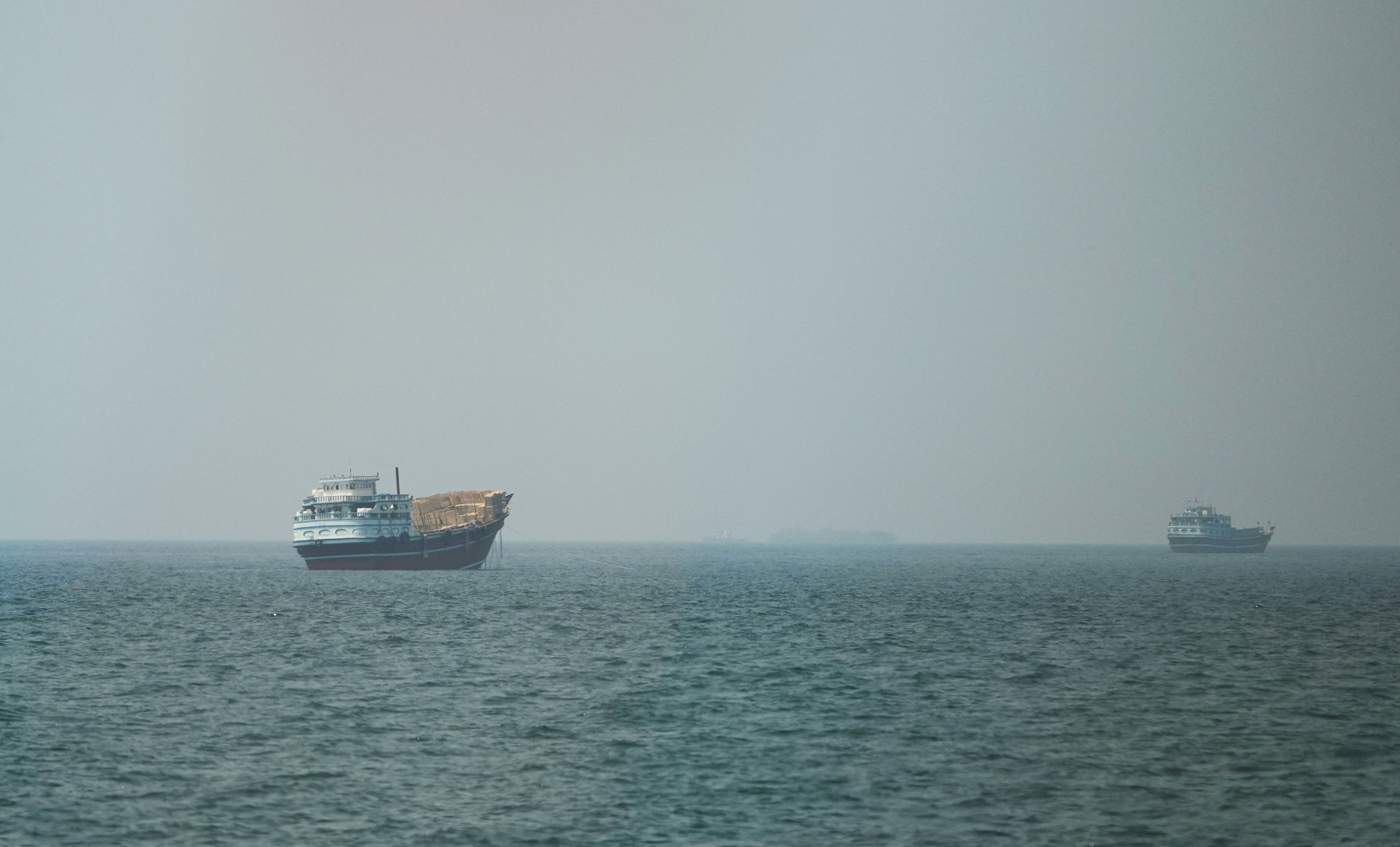 Vessels at the Strait of Hormuz, as seen from Musandam, Oman, on Monday (Reuters)
Reuters
Vessels at the Strait of Hormuz, as seen from Musandam, Oman, on Monday (Reuters)
Reuters
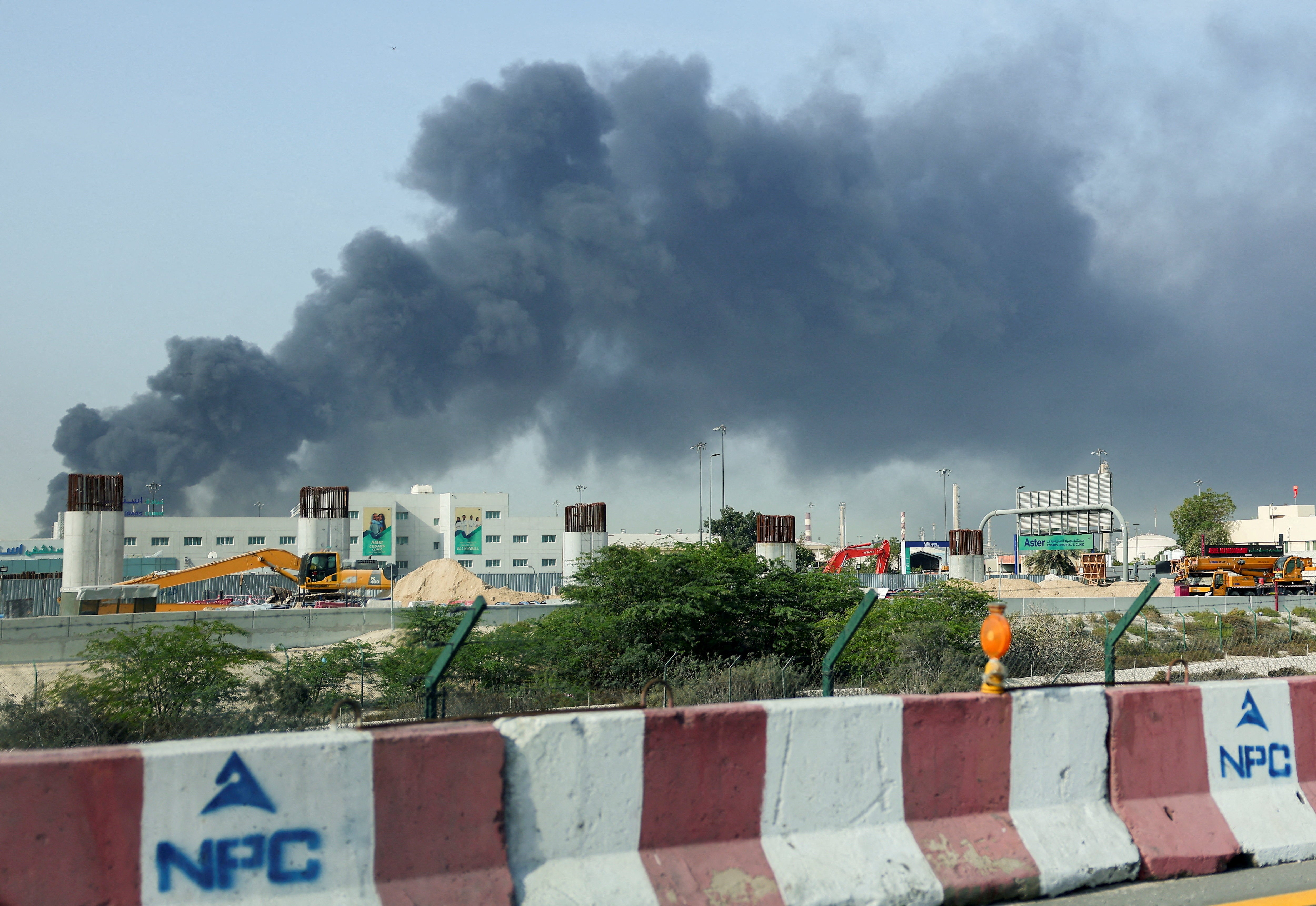 Smoke billows from Jebel Ali port after an Iranian attack in March (Reuters)
Reuters
Smoke billows from Jebel Ali port after an Iranian attack in March (Reuters)
Reuters
Dubai is planning new port facilities on the UAE’s east coast as attacks and threats around the Strait of Hormuz keep turning commercial shipping into a security operation. According to The Independent, Dubai-based operator DP World is in talks to develop a new terminal at the existing harbour in Fujairah and a separate multipurpose port, pitched explicitly as a way to reduce reliance on routes that transit the strait.
The plan lands in a region where the cost of “keeping trade flowing” is being pushed outward from navies and diplomats to insurers, shipowners and infrastructure operators. One-fifth of the world’s oil normally passes through the Strait of Hormuz, and the reporting describes repeated disruption since fighting escalated earlier this year, followed by an interim arrangement that reopened access for commercial vessels — until a dispute over how a clause should be interpreted helped pull the parties back into confrontation. When rules are contested mid-crisis, the practical outcome is not legal clarity but rerouting, delays, and a premium for anyone still willing to sail.
For the UAE, Fujairah offers something Jebel Ali cannot: geography that does not force vessels through the narrow passage watched and threatened by Iran. The Independent notes that debris from an Iranian missile previously sparked a fire at Jebel Ali, a reminder that even a flagship logistics hub cannot price away physical vulnerability. Gulf officials quoted in the report stress that Jebel Ali will remain central, and a senior company official frames the move as “defensive” — a second outlet rather than a replacement.
That kind of redundancy is expensive in peacetime and suddenly rational in wartime. DP World is expected to invest hundreds of millions of dollars initially, with the option to scale up, a commitment that makes sense only if planners believe the strait’s risk premium is not a temporary spike but a recurring feature. The same story ties the infrastructure push to the broader escalation: UK Maritime Trade Operations reported another tanker hit by a missile off Oman, while the UAE has blamed Iranian cruise missiles for striking two Emirati oil tankers. Iran’s Revolutionary Guard has described targeting “offending” vessels that ignored warnings and switched off navigation systems — language that effectively turns a commercial transit decision into a compliance test.
If Fujairah becomes a larger share of the UAE’s throughput, it will be because shippers decide that paying for new terminals is cheaper than paying for uncertainty.
On current reporting, the UAE is preparing to spend on concrete and dredging while the region argues over who gets to control — and charge for — a few miles of water.