
EU signs first energy storage agreement
Negative power prices expose renewables curtailment, import dependence still sets the household bill
Images
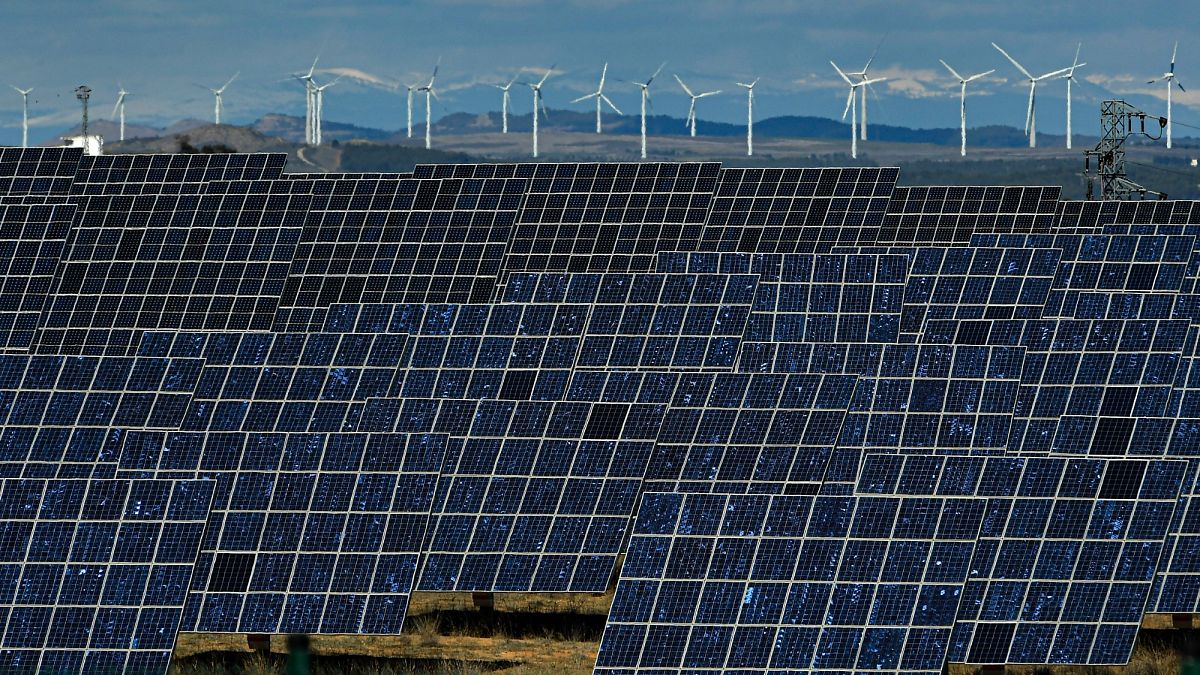 EU pushes to triple energy storage as renewable power goes to waste
euronews.com
EU pushes to triple energy storage as renewable power goes to waste
euronews.com
 Oil prices extend run higher as fighting flares in the Middle East
euronews.com
Oil prices extend run higher as fighting flares in the Middle East
euronews.com
EU energy ministers signed a first-ever tripartite agreement on 26 June to expand the bloc’s energy storage, as Europe’s power markets logged 1,223 hours of negative day-ahead prices in the first quarter of 2026. According to Euronews, the EU estimates it will need 200 gigawatts of storage by 2030, up from roughly 55 GW today, to stop renewable electricity being curtailed when grids cannot absorb the surge.
The immediate driver is physical: wind and solar produce when the weather cooperates, not when households and factories switch on. When supply floods the system, prices can go below zero and operators curtail generation, turning “cheap” clean power into power that is simply not used. That curtailment then hits project revenues, which raises financing costs for the next build-out, even as electrification is pushing demand in the opposite direction. Euronews notes EU targets of more than 30 million electric vehicles and 50 million heat pumps by 2030—loads that move transport and heating onto the electricity grid, where reliability is judged minute by minute.
The agreement also tries to solve a political problem that looks like an engineering problem. A larger storage fleet shifts value from subsidised capacity additions to dispatchable flexibility: absorbing surplus electricity when it is abundant and releasing it when demand spikes. Industry groups quoted by Euronews argue that storage is still not treated as essential infrastructure, even though data centres and AI workloads are pushing toward round-the-clock consumption that cannot “wait for the sun.” The International Energy Agency projection cited in the report—that data centre electricity consumption will double by 2030—lands awkwardly in a system where curtailment and negative prices already coexist with complaints about high bills.
The same week, oil prices were rising on Middle East fighting and uncertainty around shipping through the Strait of Hormuz. Euronews’ markets coverage said Brent crude climbed to just over $84 a barrel on 14 July after a near-10% jump the day before, with the United States and Iran each asserting control over the strait. That is the external constraint the storage deal is meant to soften: the EU still imports around 55% of its total energy, including oil and gas, and price shocks arrive through tankers and pipelines regardless of how quickly solar panels are installed.
For now, the pledge is smaller than the stated need. Euronews reports that 22 member states promised around 30–35 GW of new storage by 2028, while the 2030 target implies a far steeper build-out. The curtailment problem is already visible in the market data; the promised hardware is still mostly on paper.