
Mexico files US criminal complaints over migrant deaths in ICE custody
Sheinbaum cites Houston killing and detention fatalities as letters fail, body-camera gaps leave narratives to agencies and witnesses
Images
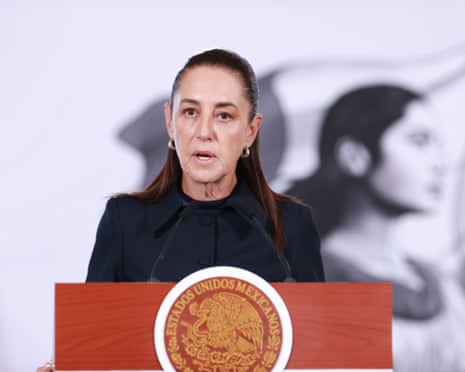 Claudia Sheinbaum, the Mexican president, at the National Palace in Mexico City on Monday. Photograph: Mario Guzman/EPA
theguardian.com
Claudia Sheinbaum, the Mexican president, at the National Palace in Mexico City on Monday. Photograph: Mario Guzman/EPA
theguardian.com
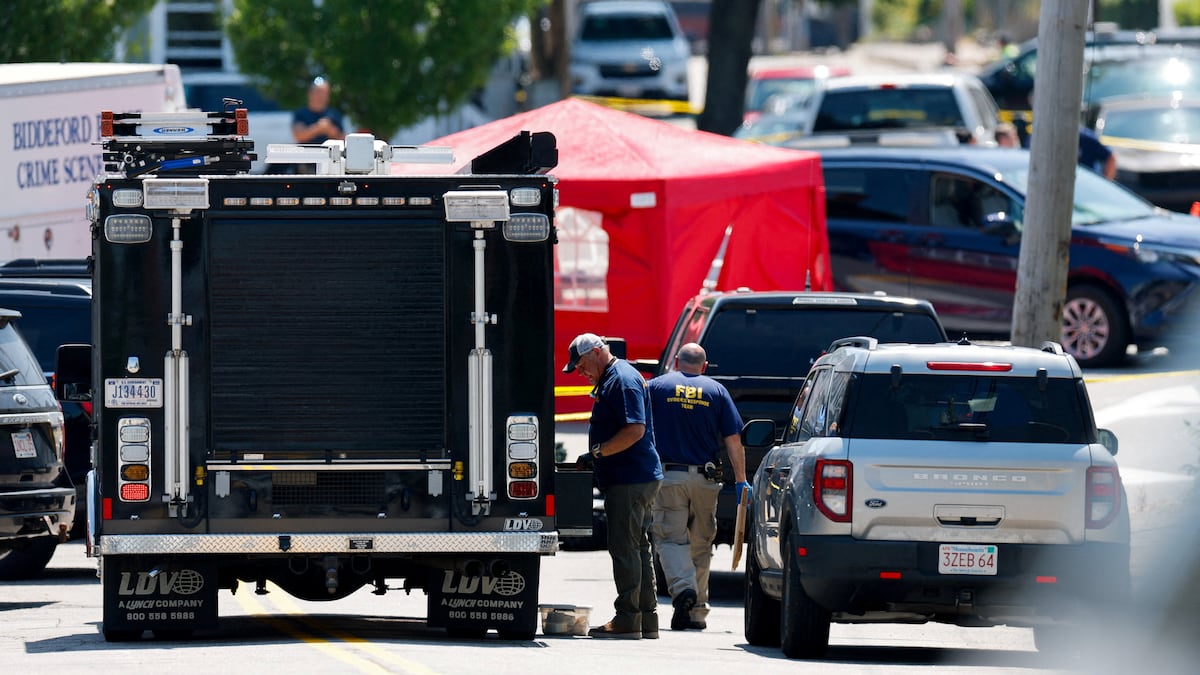 Colombian migrant killed in ICE shooting in Maine
english.elpais.com
Colombian migrant killed in ICE shooting in Maine
english.elpais.com
Mexico’s president Claudia Sheinbaum said on Monday that her government will file criminal complaints in the United States over the deaths of Mexican migrants in immigration detention and during enforcement operations, according to Reuters via the Guardian. Sheinbaum said more than a dozen Mexicans have died since the start of President Donald Trump’s intensified crackdown, and pointed to the recent killing of Lorenzo Salgado Araujo in Houston as the case that pushed Mexico past “diplomatic letters” that produced no results.
The move lands in a bilateral relationship already crowded with legal and security disputes. Reuters notes that Mexico has bristled at reports of CIA agents operating in the country without authorization, and at U.S. Justice Department charges against the governor of Sinaloa and other current and former officials over alleged cartel ties—charges Sheinbaum has refused to accommodate by handing over the governor, citing lack of evidence. In that context, filing complaints in U.S. courts is less a single case tactic than an attempt to force a paper trail: a way to turn opaque detention deaths and contested shootings into proceedings where statements, evidence requests, and jurisdictional arguments have to be logged.
The complaints also arrive as U.S. agencies defend fatal encounters with a familiar explanation. In the Houston case, the U.S. Department of Homeland Security said Salgado Araujo “weaponized” his vehicle and tried to hit an ICE officer, Reuters reports, while other men in the car disputed that account. El País, covering a separate ICE shooting in Biddeford, Maine, reports that a senior U.S. official gave a similar description to Senator Angus King, and that the agents involved were not wearing body cameras. In Maine, two migrant-rights groups said the man who died was a Colombian with authorization to work in the U.S., while authorities had not publicly confirmed his identity for hours.
For Mexico, the practical question is what a complaint can compel when the underlying system is built to move fast and document little. Detention deaths typically unfold inside facilities controlled by federal contractors and agencies, with families and consulates dependent on official disclosures. Street encounters hinge on the first narrative that reaches the public—often the officer’s description—while witnesses, mistaken identity, and the absence of video can take days to surface, if they surface at all. Each death becomes a separate administrative file; the policy is the accumulation.
Sheinbaum said Mexico is not seeking conflict. On Monday, she nevertheless chose the arena where conflicts are preserved: court dockets that do not accept unsigned diplomatic notes as evidence.