
Killings continue at Del Monte pineapple farm in Kenya
G4S security and police patrol export-critical site, oversight probe follows family accounts of close-range shooting
Images
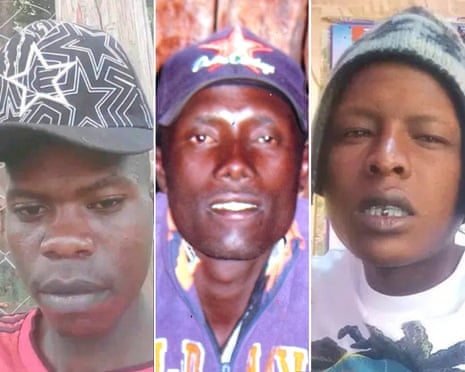 Left to right: Michael Muiruri, Stephen Marubu Kibandi and Haron Kame Kibandi were all killed in the last year on Del Monte’s pineapple farm in Kenya.
theguardian.com
Left to right: Michael Muiruri, Stephen Marubu Kibandi and Haron Kame Kibandi were all killed in the last year on Del Monte’s pineapple farm in Kenya.
theguardian.com
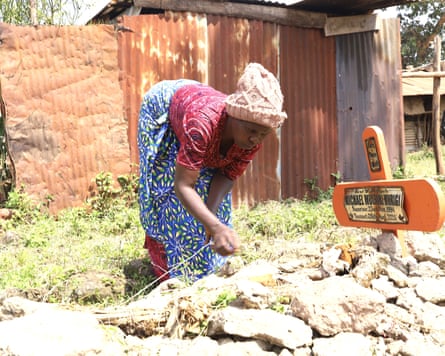 Margaret Njeri Murigi tends to the grave of her son Michael Muiruri who died after being knocked off a motorbike. Photograph: Edwin Okoth/The Guardian
theguardian.com
Margaret Njeri Murigi tends to the grave of her son Michael Muiruri who died after being knocked off a motorbike. Photograph: Edwin Okoth/The Guardian
theguardian.com
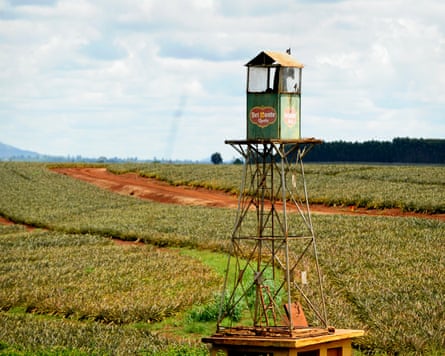 A Del Monte pineapple farm in Kenya. Photograph: Joerg Boethling/Alamy
theguardian.com
A Del Monte pineapple farm in Kenya. Photograph: Joerg Boethling/Alamy
theguardian.com
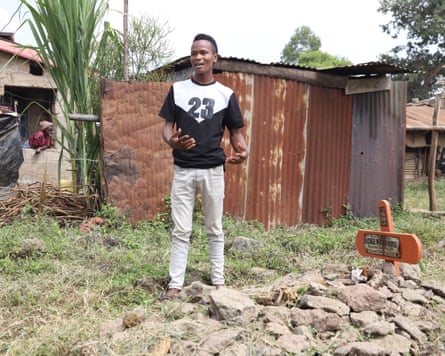 Brian Kuria Muthoni at the grave of his childhood friend Michael Muiruri. Photograph: Edwin Okoth/The Guardian
theguardian.com
Brian Kuria Muthoni at the grave of his childhood friend Michael Muiruri. Photograph: Edwin Okoth/The Guardian
theguardian.com
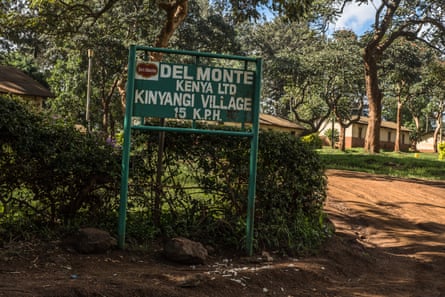 The Del Monte Kenya workers’ settlement at Kinyagi village in Murang’a county. Photograph: Brian Otieno/The Guardian
theguardian.com
The Del Monte Kenya workers’ settlement at Kinyagi village in Murang’a county. Photograph: Brian Otieno/The Guardian
theguardian.com
Three men have been killed in separate incidents over the past year at Del Monte’s vast pineapple farm in Kenya’s Murang’a county, according to families and witnesses cited by The Guardian. Del Monte brought in the British security firm G4S in 2024 after earlier allegations of killings and abuse, and Kenyan police have been working alongside the guards on the site. One of the dead, Stephen Marubu Kibandi, was shot at close range in August 2025 by a police officer operating with G4S, his family says; a postmortem cited a single gunshot wound to the chest and severe haemorrhage.
The farm is not a small perimeter to patrol. The Guardian reports it covers at least 40 square kilometres and is Kenya’s largest exporter of produce, supplying several UK supermarkets, with annual value put at more than $100 million. The surrounding county’s reported average monthly salary is a fraction of that scale, and pineapple theft has been a long-running problem. That combination—high-value goods, nearby poverty, and a security set-up that blends private contractors with state police—creates a constant pressure to treat petty crime as a threat to infrastructure.
Del Monte’s response to criticism has been to professionalise: it replaced its in-house security team, outsourced all security to 270 G4S guards, and, according to The Guardian, police extended their work with G4S by setting up a “critical infrastructure protection unit” at the farm. In practice, families and campaigners argue that the presence of police changes what happens after a shooting as much as what happens before one. When lethal force is used by state officers, the path to accountability runs through the same institutions that authorised the deployment, while the company can point to law enforcement as the lead actor.
The three deaths described by The Guardian span different alleged mechanisms—gunfire, injuries after stone-throwing, and a fatal collision involving a pickup truck—yet all sit inside the same security ecosystem. G4S disputes wrongdoing and, in the Kibandi case, said guards and police were attacked by men wielding machetes and that a G4S vehicle was set on fire. A human rights impact assessment commissioned after earlier reporting found harms across multiple areas, and a Kenyan senator has called for an independent investigation.
Kibandi’s killing is being investigated by Kenya’s Independent Police Oversight Authority. The farm, meanwhile, continues exporting pineapples on schedule.