
Trump announces Hormuz toll and renewed Iran blockade
Shipping slows as vessels go dark, both Washington and Tehran talk like the strait is a paywalled service
Images
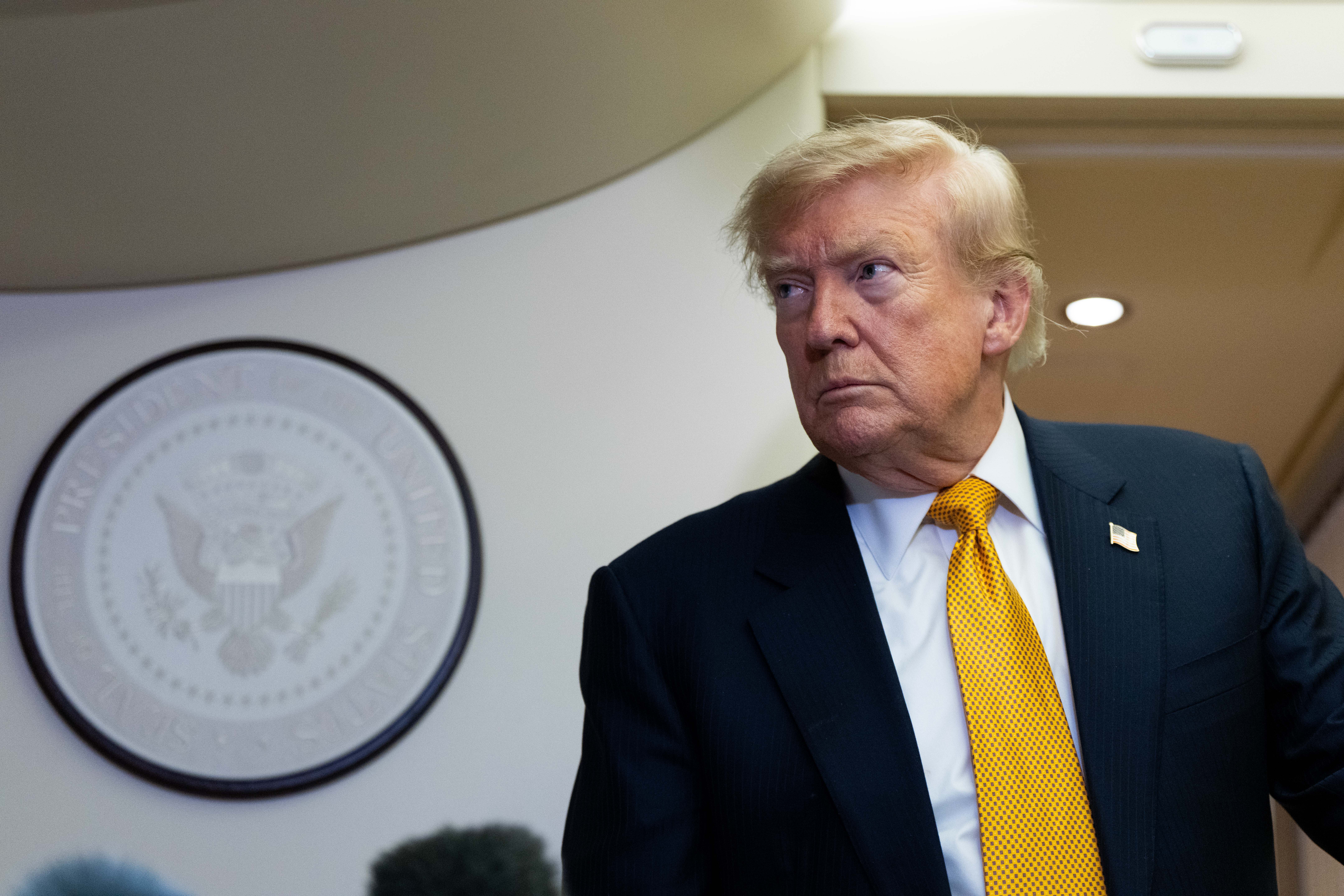 ‘We’re going to keep the strait, and we’ll probably run it,’ the US president has claimed (AP)
independent.co.uk
‘We’re going to keep the strait, and we’ll probably run it,’ the US president has claimed (AP)
independent.co.uk
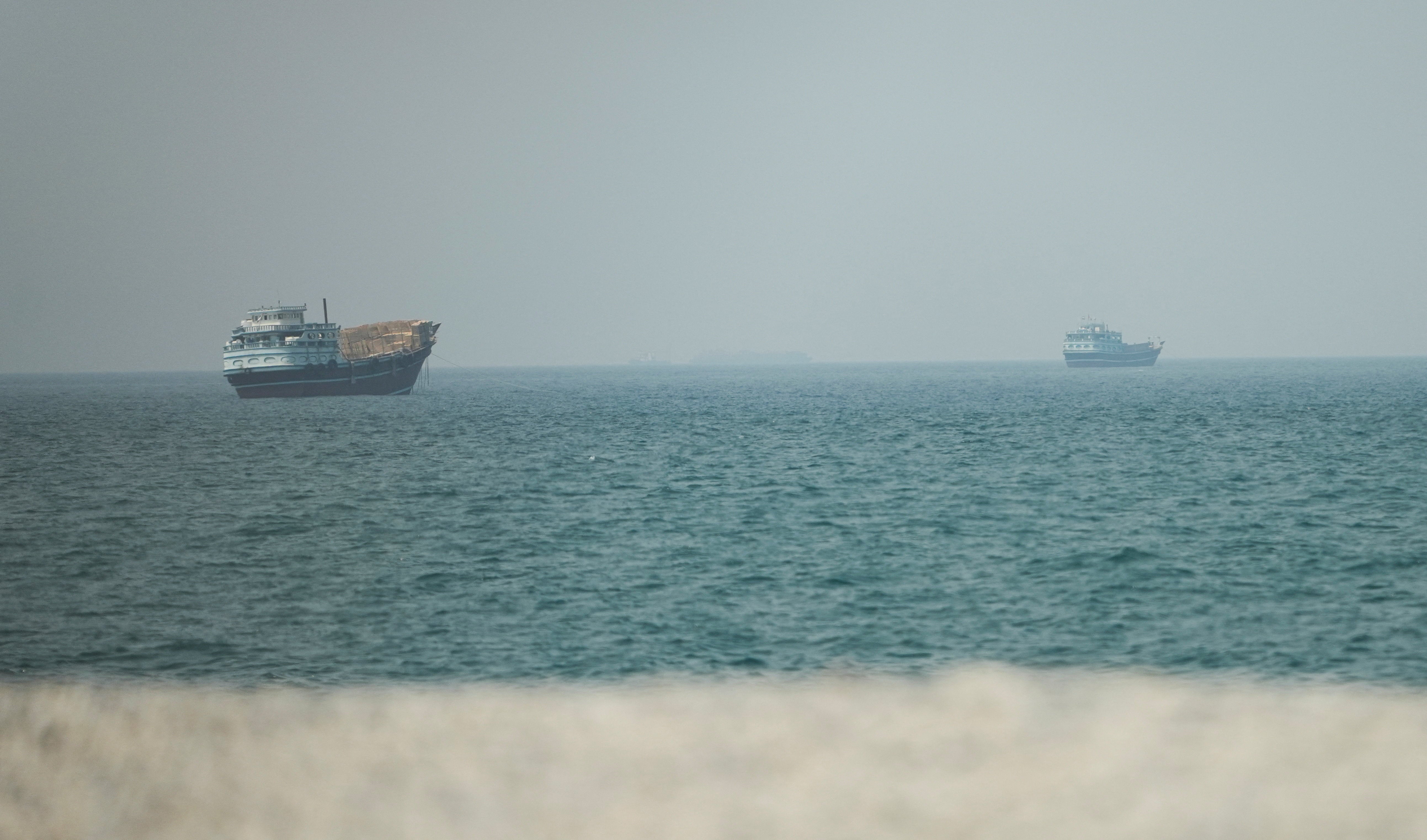 Vessels at the Strait of Hormuz, as seen from Musandam,Oman, on Monday (Reuters)
Reuters
Vessels at the Strait of Hormuz, as seen from Musandam,Oman, on Monday (Reuters)
Reuters
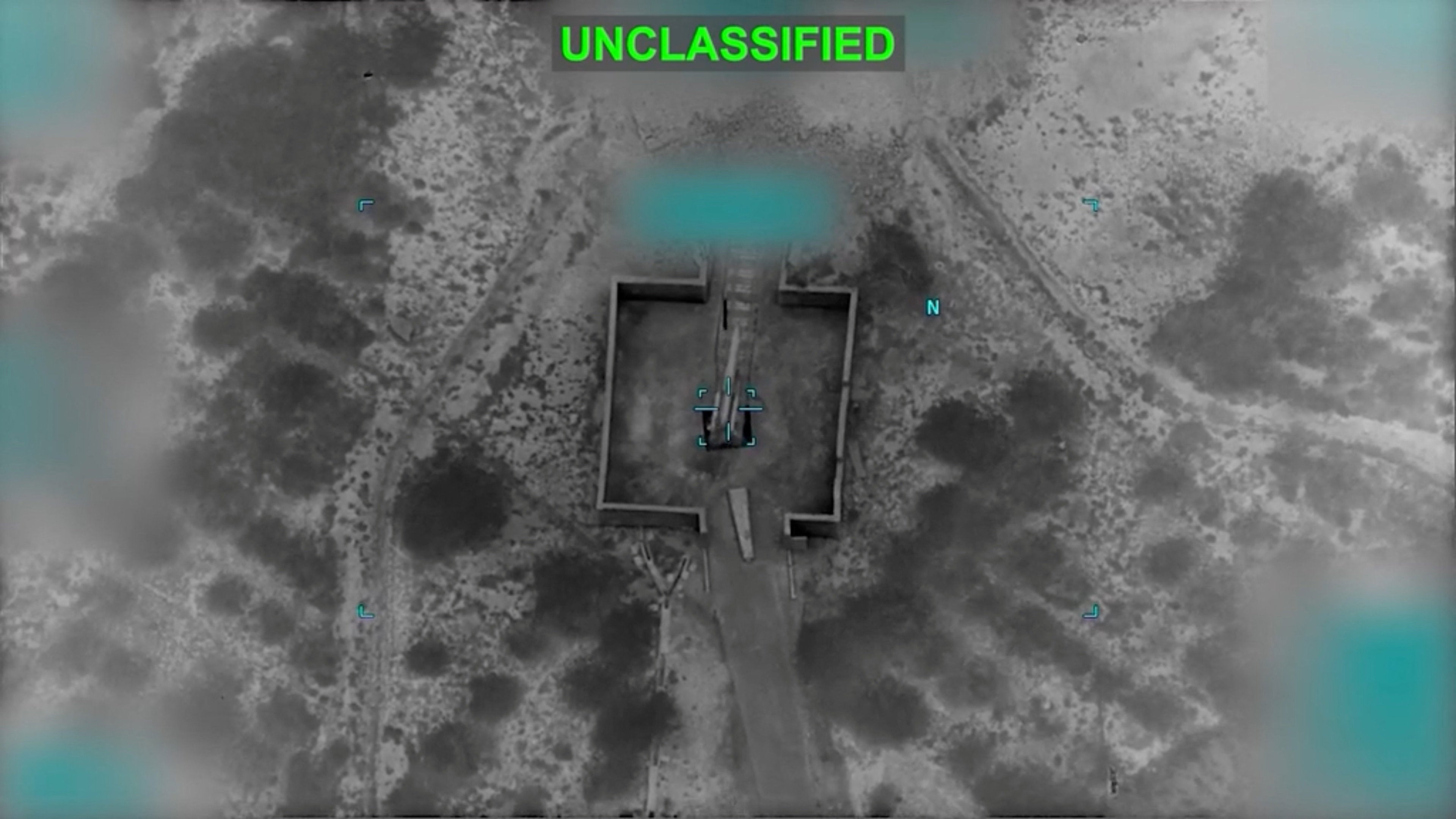 A projectile falls at an unknown location, following what the US military said were strikes on Iranian military targets last week (Reuters)
Reuters
A projectile falls at an unknown location, following what the US military said were strikes on Iranian military targets last week (Reuters)
Reuters
 Iran rejects US claim over strait of Hormuz as foreign minister mocks Trump’s vow to charge tolls - Middle East crisis live
theguardian.com
Iran rejects US claim over strait of Hormuz as foreign minister mocks Trump’s vow to charge tolls - Middle East crisis live
theguardian.com
Donald Trump said on Monday that the United States would “reinstat[e] the Iranian blockade” and charge a 20% fee on all cargo shipped through the Strait of Hormuz. According to The Independent, he made the remarks in a phone interview with Fox & Friends and repeated them on Truth Social, calling the US “THE GUARDIAN OF THE HORMUZ STRAIT.” Iran’s foreign minister, Abbas Araghchi, publicly mocked the proposal and insisted Iran “has always been the guardian” of the waterway, The Guardian reports.
The immediate backdrop is a collapse in normal commercial behaviour. The Independent reported that traffic through the strait had come close to a standstill, with no commercial vessels openly transiting overnight and some potentially moving with transponders switched off. That is the kind of market signal insurers and shipowners send when they cannot price risk: they stop moving, or they move in the dark and accept the secondary risks that come with it. Trump’s proposed toll would add a new, explicit cost on top of war-risk premiums, delays, and rerouting—turning a security crisis into a revenue mechanism.
Legally, the plan collides with the basic premise that international straits are meant to remain open to transit. The Independent cited the UN’s shipping agency as saying there is “no legal basis” for mandatory tolls for transiting through a strait. Even if Washington framed the charge as payment for escort or protection, the practical effect—conditioning passage on a levy announced by a single power—would invite copycat claims by other coastal and naval states. Iran, for its part, has argued that attempts by vessels to use the shipping lane along the Omani coast encroach on Tehran’s authority, while the US has insisted that ships must pass “unfettered,” The Independent reported. In that dispute, both sides are treating the same corridor as something to be managed rather than merely transited.
The proposal also lands in a region where enforcement is the story. The Independent reported that Iran’s Revolutionary Guard claimed attacks on facilities in Bahrain and Kuwait, destruction of radar systems in Oman, and strikes on fuel tanks and ammunition depots at Prince Hassan Air Base in Jordan, hours after the US announced strikes on Iranian targets. In that environment, announcing a blockade and a toll is not just a policy; it is a commitment to stop, board, or turn back ships—actions that can escalate quickly when multiple militaries and commercial operators are improvising under pressure.
For Gulf states and global importers, the second-order effect is that “freedom of navigation” becomes a negotiated service with multiple would-be providers. Araghchi’s response, as reported by The Guardian, did not reject the concept of payment; it argued about who should collect it and at what rate. The strait’s security, in other words, is being discussed less like a shared rule and more like a billable product.
On Monday, Trump described the US as the strait’s “guardian angel” and said America should be reimbursed for controlling it. Commercial shipowners responded by not showing up in public tracking data.