
Olly Robbins seeks judicial review after Starmer sacks him
Ex-Foreign Office chief disputes authority to fire diplomatic service head, Mandelson vetting row heads to court
Images
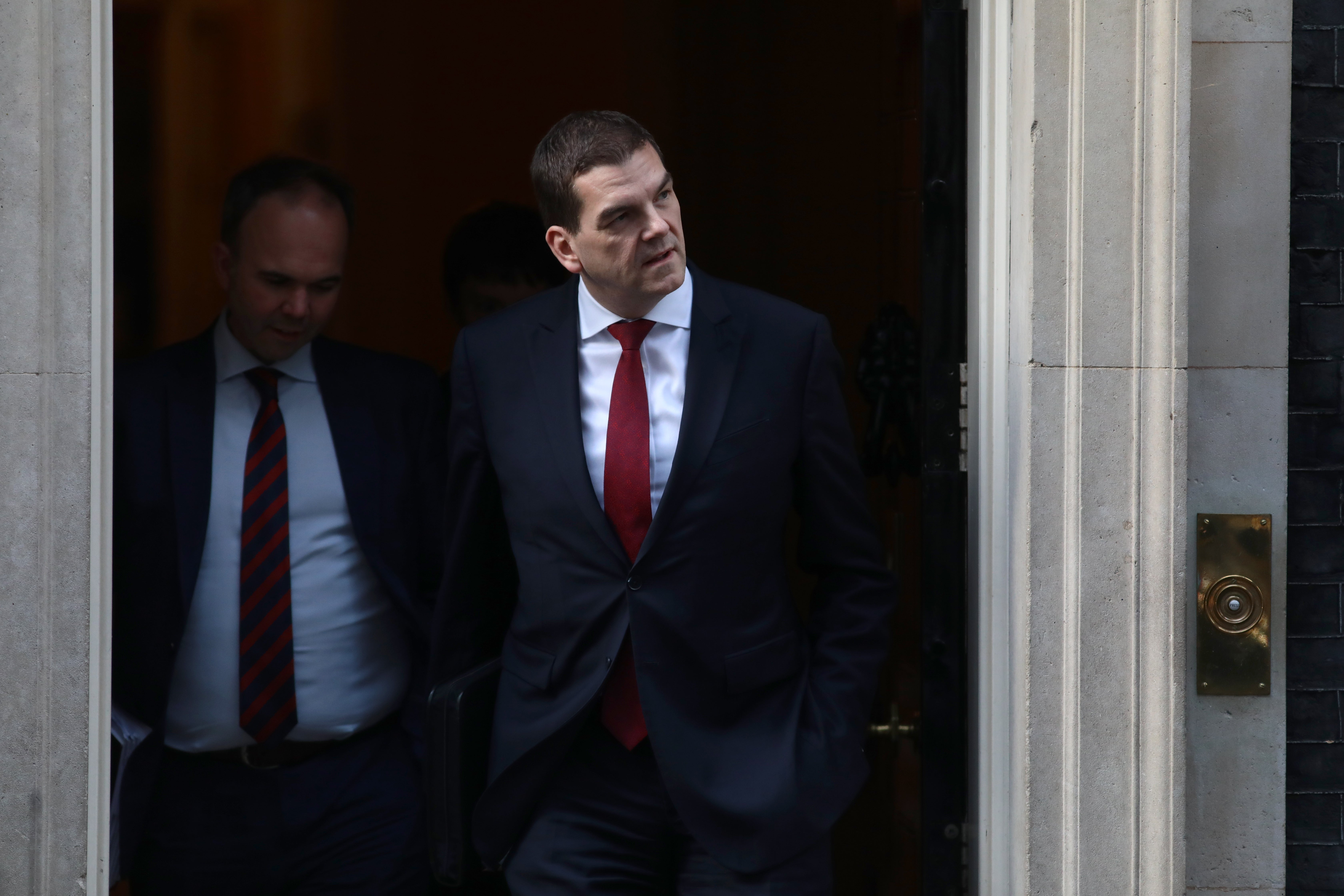 Robbins has requested a judicial review of his dismissal as permanent under-secretary of the FCDO (Getty)
Getty
Robbins has requested a judicial review of his dismissal as permanent under-secretary of the FCDO (Getty)
Getty
 Robbins claims that the prime minister ‘has no statutory authority to dismiss the head of the diplomatic service’ (PA Wire)
PA Wire
Robbins claims that the prime minister ‘has no statutory authority to dismiss the head of the diplomatic service’ (PA Wire)
PA Wire
UK civil service chief seeks judicial review after Starmer dismissal, ex-Foreign Office head says sacking over Mandelson vetting was unlawful, national security process turns into taxpayer-funded litigation
Sir Olly Robbins has asked a court to review his dismissal as the Foreign Office’s permanent under-secretary, after Prime Minister Keir Starmer sacked him in the fallout from the Peter Mandelson vetting scandal. The FDA union confirmed the request for a judicial review on Monday, the Independent reports.
Robbins argues in his submission that his removal involved no fair procedure, that the reasons offered were irrational, and that the prime minister lacks statutory authority to dismiss the head of the diplomatic service. In a statement quoted by the Independent, Robbins said he brought the action reluctantly and claimed it would have been unnecessary had the prime minister apologised and made amends for the distress and cost caused to him and his family.
The case sits on an awkward fault line in British government: national security vetting is designed to be insulated from day-to-day ministerial pressure, yet political accountability tends to land on whoever can be fired. According to the FDA, Robbins was under an obligation not to brief ministers on the process leading up to a vetting decision because the system is independent; ministers are informed only of the final outcome. The union says that position was confirmed in a letter signed by the foreign secretary in 2025, using text drafted and approved by Downing Street.
Starmer has previously told the House of Commons he asked Robbins for an explanation and did not accept it, which is why he dismissed him. But Robbins’ allies have said he was fired without being asked to explain his handling of the Mandelson saga, a claim the Independent says it reported earlier this year. The result is a dispute not only about one appointment, but about who is expected to carry risk when security services advise against a politically significant posting.
If the court accepts the challenge, it could force a more explicit mapping of powers that are often exercised through convention and informal authority. A prime minister can often achieve compliance through control of careers, but judicial review asks whether the paperwork matches the practice. Conservative MP Alex Burghart, quoted by the Independent, said the case was likely to cost taxpayers a fortune—an early sign that the government’s handling of an internal personnel matter may now be litigated as a public finance issue.
The episode is also spilling into Labour’s own succession politics. The Independent reports that Robbins has been in early-stage talks about a possible security-related role with Andy Burnham’s team should Burnham become prime minister. Meanwhile, the current national security adviser, Jonathan Powell, is rumoured to be planning to leave—adding another vacancy to a system that is already arguing over who can hire and fire whom.
Robbins is asking the court to quash the prime minister’s decisions. The government’s attempt to contain a vetting controversy has now become a legal test of how much formal authority Downing Street actually has over the senior state it commands.