
Former Qatar emir Sheikh Hamad bin Khalifa Al Thani dies
Four days of national mourning declared and first recent state funeral planned, condolence messages arrive from kings and militant groups alike
Images
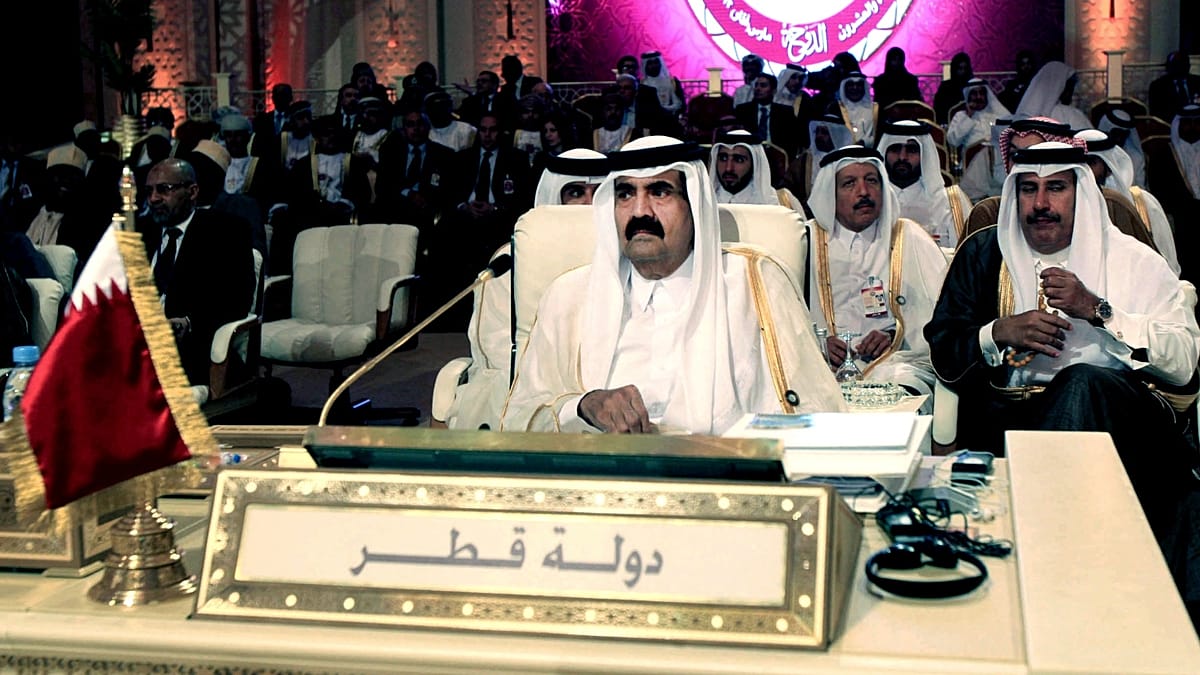 Former Qatar ruler Sheikh Hamad bin Khalifa Al Thani dies aged 74
euronews.com
Former Qatar ruler Sheikh Hamad bin Khalifa Al Thani dies aged 74
euronews.com
Former Qatar emir Sheikh Hamad bin Khalifa Al Thani dies, state announces four days of mourning, first state funeral marks generational handover
Qatar’s former ruler Sheikh Hamad bin Khalifa Al Thani has died aged 74, the Amiri Diwan announced on Sunday, according to Euronews. Qatar declared four days of national mourning, with flags at half-mast and government work suspended from Monday, resuming on Sunday 19 July. Euronews reports that his funeral will be held at dusk on Sunday after Maghrib prayers, in what it describes as the first state funeral in Qatar’s recent history.
Sheikh Hamad ruled from 1995 to 2013 and was the father of the current emir, Tamim bin Hamad Al Thani. Euronews says his reign brought major economic, social and cultural changes and helped establish Qatar as an influential player in diplomacy and investment. The official language in the Amiri Diwan statement—mourning “the nation’s great leader” and “the Father Emir”—signals how the state wants the transition remembered: as continuity rather than rupture, with the son’s rule framed as an extension of the father’s project.
The condolence list in Euronews’ report shows how widely Qatar’s networks now run. Messages came from Gulf leaders and from Egypt and Turkey, and also from Italy and Britain’s King Charles III. At the same time, Euronews notes statements mourning Sheikh Hamad from the Taliban government in Afghanistan, Lebanon’s Hezbollah and Palestinian Hamas, alongside a message from Iran’s President Masoud Pezeshkian.
That juxtaposition captures the practical reality of a small, wealthy state operating in a region where influence often depends on maintaining lines to actors who do not speak to each other. Qatar’s role as a diplomatic venue and investment power has been built on being useful to multiple sides at once, even when those sides are at war or under sanctions. A state funeral, with official mourning and suspended ministries, is also an internal discipline mechanism: it pauses ordinary administration and concentrates public life around the ruling family’s narrative at a moment when foreign policy and security concerns in the Gulf remain volatile.
Euronews describes the funeral as symbolic of a generational moment, “an end of an era and a passing of the baton.” The most concrete measure of that baton is procedural: ministries close, flags lower, and the state’s first recent state funeral is scheduled for dusk on the day the death was announced.