
Israel schedules October election
Vote lands on last legal date as Knesset term ends mid-July, Netanyahu runs again with polls pointing to fatigue
Images
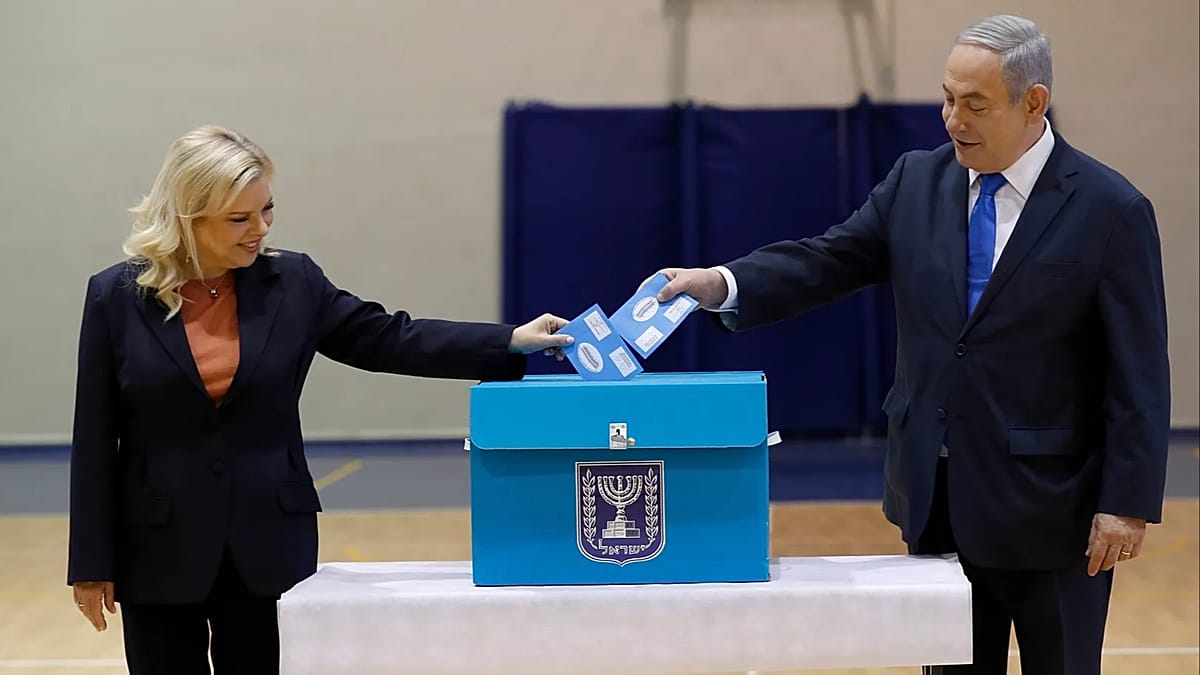 Israel to hold elections on 27 October with Netanyahu set to run again
euronews.com
Israel to hold elections on 27 October with Netanyahu set to run again
euronews.com
Israel sets October election date, Netanyahu faces referendum-style campaign after Gaza and Iran wars, polls show appetite for change while coalition rushes bills before term ends
Israel will hold national elections on 27 October, the last date permitted under Israeli law, according to Euronews. The Knesset’s current term is set to end on 17 July, and the report says the legislature is expected to serve out its full term, avoiding the usual political drama of a dissolution law. Prime Minister Benjamin Netanyahu has said he will run again.
The calendar choice turns procedure into politics. By running the clock to the legal limit, the government keeps control of parliamentary time through mid-July, when committees, floor votes, and legislative scheduling still sit with the sitting majority. Euronews reports that Netanyahu’s coalition—described as one of the most right-wing in Israel’s history—has been racing to pass bills meant to strengthen its position heading into the vote. That kind of pre-election sprint is not unique to Israel, but it matters more in a system where coalition arithmetic can flip quickly and where small parties trade support for concrete policy.
Euronews frames the election as a referendum on Netanyahu’s leadership since the Gaza war erupted in 2023, and it lists two overlapping sources of public anger: the security failures around the 7 October 2023 Hamas attacks and the political handling of the wars that followed. The same report notes that many Israelis were critical of the ceasefire that halted the war Israel and the US launched against Iran in late February 2026, viewing the Tehran–Washington deal as unfavorable to Israel. That grievance points to a recurring constraint for Israeli leaders: when Washington bargains directly with a regional adversary, Israel can influence the terms but cannot sign the paper.
Netanyahu has tried to reposition himself for the next phase. Euronews says he spoke in June about forming a “broad national government,” not one dependent on Arab parties, presenting national unity as the frame rather than left-right ideology. The report also says recent polls show a majority of Israelis want him out of office, and that former military chief Gadi Eisenkot has emerged as his main challenger. If that matchup holds, the campaign is likely to be fought on credibility in security management as much as on any single territorial or diplomatic plan.
The election date is fixed, but the governing window before 17 July is not. Israel’s next parliament will be chosen after a summer of lawmaking by a coalition that still controls the agenda—and after a campaign in which the country’s most durable political figure is again asking voters to judge his record in wartime.