
Colombia president-elect Abelardo de la Espriella embraces Trump-aligned Donroe doctrine
El País says Shield of the Americas expands via security pledges, coalition membership becomes a first-day deliverable
Images
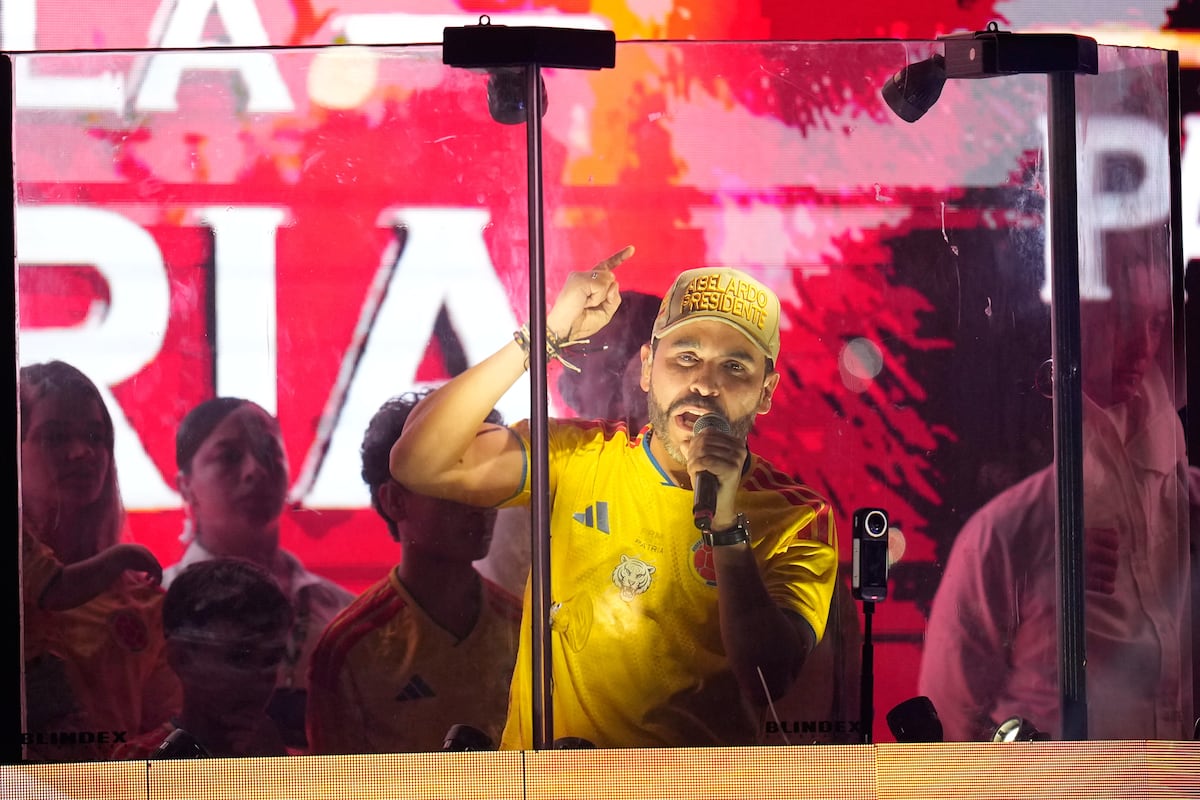 Abelardo de la Espriella embraces Trump's 'Donroe doctrine' as it spreads across Latin America
english.elpais.com
Abelardo de la Espriella embraces Trump's 'Donroe doctrine' as it spreads across Latin America
english.elpais.com
El País reports that Colombia’s president-elect Abelardo de la Espriella is publicly aligning himself with Donald Trump’s revived hemispheric security agenda, branded the “Donroe doctrine.” De la Espriella is due to take office on August 7, and he has promised to join a US-backed security coalition on his first day.
The article places the shift inside a broader Washington project: curbing migration, targeting drug cartels, and reducing Chinese influence in Latin America. One early vehicle for that effort is the “Shield of the Americas,” a coalition that El País says already includes Argentina, El Salvador, Ecuador, and Chile—countries currently governed by right-leaning administrations. Colombia is treated as a larger prize, not least because it is described as the world’s largest producer of cocaine, and because the country recently experienced a rare break in its political pattern when the left won the presidency four years ago.
De la Espriella’s platform, as described by El País, centers on a hardline approach to criminals and on reviving aerial fumigation of coca crops, paired with intensified military cooperation aimed at stopping cocaine production and export. Those proposals match what the paper describes as priorities in the Trump administration’s National Security Strategy presented in December: more aggressive action against criminal organizations and faster extraditions of their leaders. The promise of extraditions, in turn, is not just a law-enforcement tool; it is leverage in a system where cartel leadership, prison control, and negotiation channels overlap, and where the destination court system sits outside the country’s own political constraints.
El País also sketches how quickly foreign policy becomes domestic political currency. Outgoing president Gustavo Petro, after “political and diplomatic damage,” has tried to repair relations with Washington late in his term, according to the report. The US government, it says, revoked Petro’s visa and placed him on the OFAC or “Clinton list,” while Petro announced he would allow the extradition of “Chiquito Malo,” the leader of the Clan del Golfo, Colombia’s most powerful criminal group. The timing matters: El País notes that negotiations involving Chiquito Malo had been underway before the extradition announcement, suggesting that the boundary between bargaining and enforcement shifts with the state’s need to signal compliance abroad.
The political change in Bogotá was narrow. De la Espriella won the June 21 runoff by less than one percentage point over Iván Cepeda, a left-wing senator and ally of Petro, El País reports. A close election result limits the mandate for sweeping internal changes, but it does not limit the speed at which international commitments can be announced—especially when the first commitments are framed as security cooperation rather than as legislation.
Petro, speaking to Italy’s Corriere della Sera during a Vatican trip, warned that Latin America could end up “under the control” of the United States, and said he had nicknamed Trump “The king,” according to El País. De la Espriella’s first day in office is now set up as a test of how much of Colombia’s security policy will be written as a membership card in a US-led coalition.
On August 7, Colombia will inaugurate a president who says his first act will be to sign the country into the Shield of the Americas.