
US and Iran exchange strikes around Strait of Hormuz
Tehran claims closure while US says traffic still flows, reduced transit levels turn risk premiums into a shadow tariff
Images
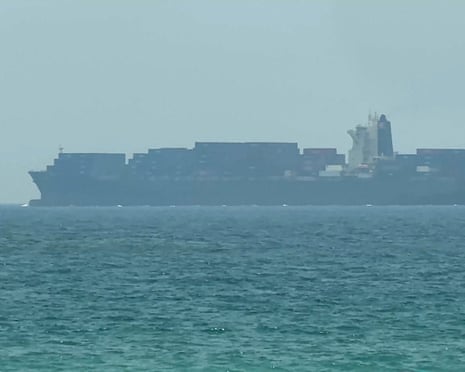 Tehran said the strait was closed ‘until further notice’ and at least until ‘the end of US interference in the region’. Photograph: AFPTV/AFP/Getty Images
theguardian.com
Tehran said the strait was closed ‘until further notice’ and at least until ‘the end of US interference in the region’. Photograph: AFPTV/AFP/Getty Images
theguardian.com
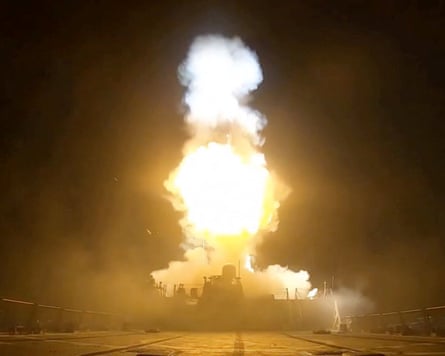 US forces launch a missile from one of their vessels in the region. Photograph: US Central Command/Reuters
theguardian.com
US forces launch a missile from one of their vessels in the region. Photograph: US Central Command/Reuters
theguardian.com
 Trump restarts war with Iran and plays nice(ish) with Nato | Politics Weekly America
theguardian.com
Trump restarts war with Iran and plays nice(ish) with Nato | Politics Weekly America
theguardian.com
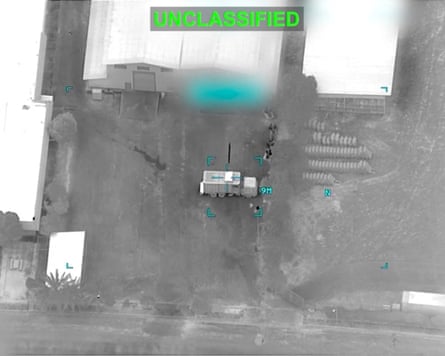 A screen grab taken from a handout video released by US Central Command of what it said were strikes on Iranian military targets. Photograph: Reuters
theguardian.com
A screen grab taken from a handout video released by US Central Command of what it said were strikes on Iranian military targets. Photograph: Reuters
theguardian.com
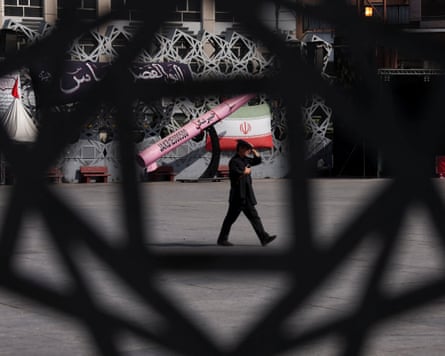 A man walks past a mockup of an Iranian missile and flag in Tehran. Photograph: Majid Asgaripour/West Asia News Agency/Reuters
theguardian.com
A man walks past a mockup of an Iranian missile and flag in Tehran. Photograph: Majid Asgaripour/West Asia News Agency/Reuters
theguardian.com
US and Iran exchange strikes around Strait of Hormuz, Tehran claims closure while US says traffic still flows, shipping disruption becomes leverage without a formal blockade
US forces struck what US Central Command described as 140 targets in Iran over Saturday night and Sunday morning, as Tehran again declared the Strait of Hormuz closed “until further notice,” according to The Guardian. Iran, for its part, said it had struck and disabled a container ship transiting the strait because its passage had not been approved. President Donald Trump rejected Iran’s closure claim in an interview on NBC’s Meet the Press, insisting the waterway remained open.
The clash lands on a narrow strip of sea that functions as a toll gate for energy and container traffic between the Gulf and the wider world. Even when ships continue to cross, the Joint Maritime Information Center described transit as occurring at “reduced levels,” a phrase that usually translates into longer queues, higher insurance, rerouting, and delayed cargoes. US Central Command posted that “Iran does not control the strait. Traffic is flowing,” while Iranian statements framed control as a sovereign fact. The difference matters less to shipowners than to underwriters: if the risk premium rises, the price signal spreads far beyond the Gulf without any government having to announce an embargo.
According to The Guardian, US Central Command said its targets included missile and drone sites, naval facilities, ammunition depots, communications networks, and surveillance locations. Iran responded on Sunday with drone and missile attacks aimed at US interests across the Gulf, with reports of aerial attacks in the United Arab Emirates, Qatar, Jordan, Bahrain, and Oman. The tit-for-tat follows a US-Iranian memorandum of understanding signed in June that extended a ceasefire by 60 days, intended to restore trade through the strait and create space for talks on Iran’s nuclear program and sanctions relief. The Guardian reports that negotiations largely failed to materialise beyond indirect technical talks, while fighting between Israel and Hezbollah in Lebanon continued despite being meant to fall under the ceasefire’s umbrella.
The immediate trigger for the current spiral, The Guardian writes, was Iran’s attack on three commercial vessels crossing the strait along a southern route near the Omani coast, which Tehran said had not been approved. US missile attacks followed, and the exchanges have continued for nearly a week. Tehran has portrayed the issue as a demand to have its control recognised as part of any longer-term settlement. A senior adviser to Iran’s supreme leader, Mohsen Rezaee, was quoted calling the strait “more important than dozens of atomic bombs,” language that treats shipping lanes as strategic assets rather than neutral infrastructure.
Trump, meanwhile, claimed Iran had agreed the previous day to a “perfect” deal involving no nuclear activity, before leaving talks and launching a drone at a ship within an hour; the White House provided no details, and Iran did not refer to such talks in its statements, according to The Guardian. What remains concrete is the operational picture: a damaged commercial vessel, continuing but reduced traffic, and two governments issuing competing assertions about who decides what can pass.
On Sunday, US Central Command said ships were still transiting the Strait of Hormuz. The same day, Iran’s Revolutionary Guard said the strait was closed.