
Xenophobic violence drives refugees into street camps in Durban
El País reports door-to-door attacks and police inaction, migrants return home as livelihoods collapse
Images
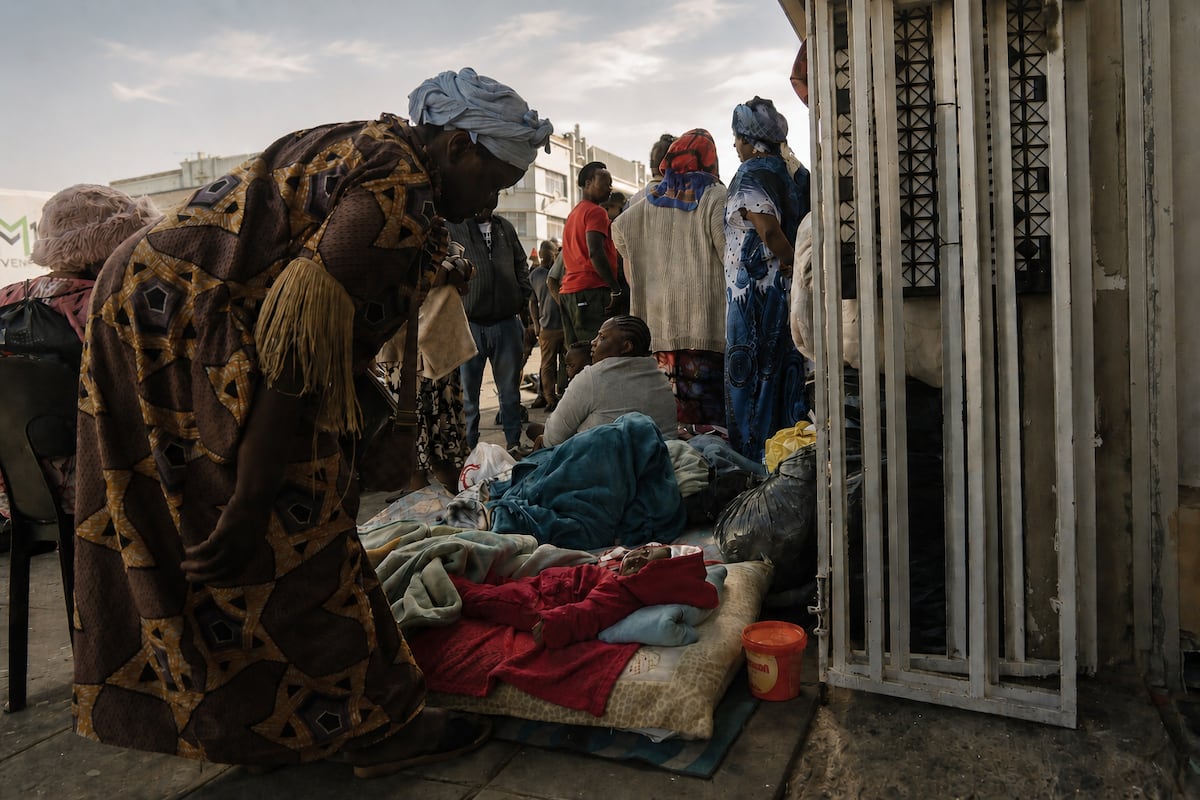 The victims of the outbreak of xenophobic violence in South Africa: ‘Even in front of the police they can beat you up and no one protects you’
english.elpais.com
The victims of the outbreak of xenophobic violence in South Africa: ‘Even in front of the police they can beat you up and no one protects you’
english.elpais.com
About 450 refugees and asylum seekers, mostly from the Democratic Republic of the Congo, have been camping for weeks outside Durban’s refugee reception centre after a wave of xenophobic violence pushed them from their homes, according to El País. The paper describes families sleeping outdoors, including a Congolese couple whose three-month-old baby has spent most of her life on a mattress on a sidewalk. The escalation began in May in KwaZulu-Natal after criminal incidents were attributed to foreign nationals without evidence.
South Africa has seen this pattern before: a small share of the population becomes a large share of the blame. El País puts foreigners at around 4% of the country’s population, yet describes neighbourhood groups going door to door, forcing entry if no one answers, and threatening, beating, looting or occupying migrants’ homes and small businesses. A Congolese delivery worker told the newspaper he was beaten with sticks while collecting a package and was told foreigners cannot work in South Africa.
The story’s most consequential detail is not the slogans but the implied enforcement vacuum. Victims told El País that assaults happen “even in front of the police” without protection, turning the state’s monopoly on force into a spectator sport. When that happens, the practical message spreads faster than any official condemnation: moving is safer than reporting, and returning “home” can be less risky than staying.
The costs compound in ordinary ways. The Congolese barber in El País’ account lost his job after his shop was vandalised; the family’s older children stopped attending school because they cannot reach it. Thousands have left their homes, and many have opted to return to their countries of origin, the newspaper reports. What starts as street violence ends as lost schooling, lost income, and a quieter reshuffling of who is allowed to live and work where.
Durban, described as one of the epicentres, now has refugees sleeping outside the very office meant to process their status. The reception centre remains standing; the people it is supposed to serve are camping on the pavement in front of it.