
Brazil rescues domestic worker held in servitude for decades
Labor prosecutors describe isolation and unpaid work across three generations, compensation deal doubles as evidence of how hard households are to police
Images
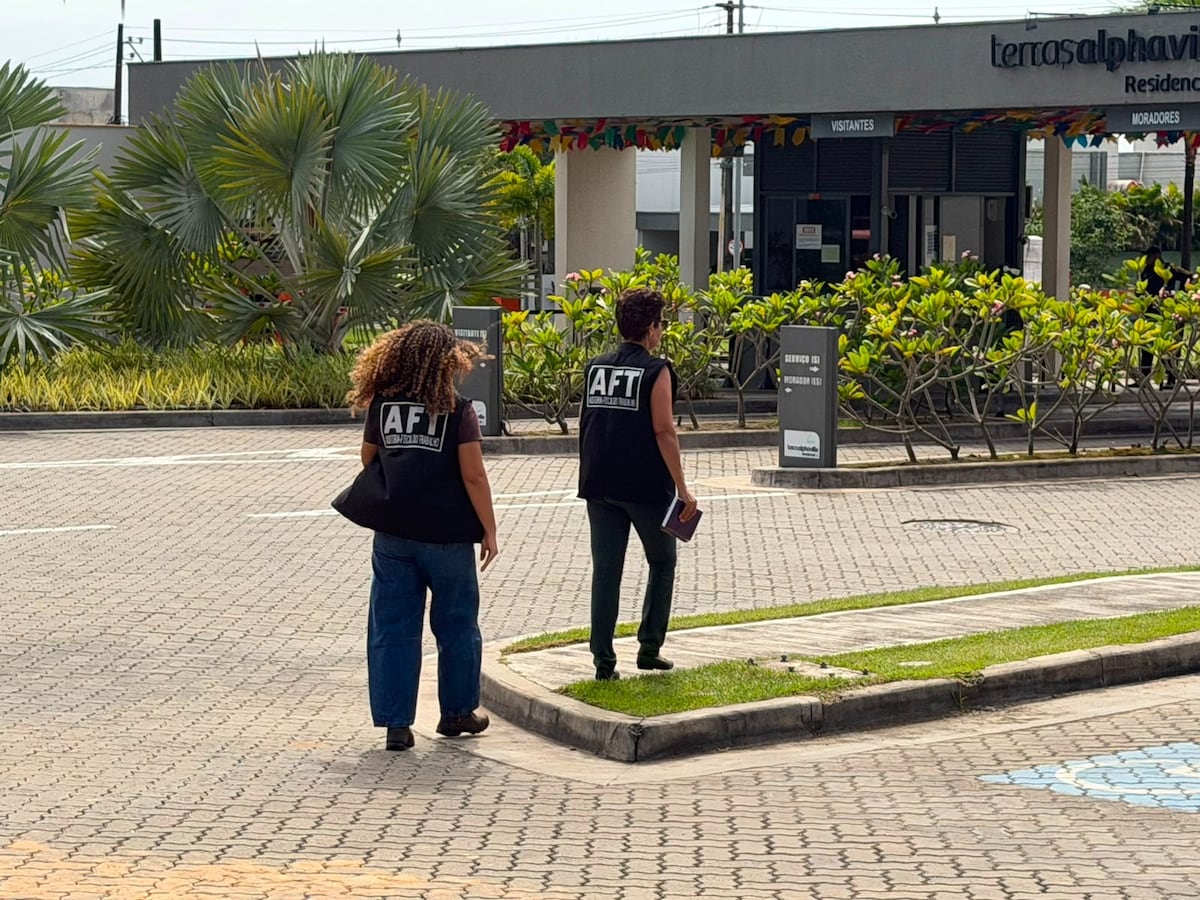 Woman rescued in Brazil after being enslaved for 55 years by three generations of the same family
english.elpais.com
Woman rescued in Brazil after being enslaved for 55 years by three generations of the same family
english.elpais.com
A woman in Fortaleza was rescued after spending more than 55 years in slave-like domestic servitude for three generations of the same family, according to El País. Prosecutors said the woman, identified only as Maria, was sent to work as a live-in servant at age seven and remained in near-total isolation until she was removed by Brazil’s Labor Prosecutor’s Office. The family has denied wrongdoing while agreeing to compensation.
The case lands in a country where domestic work is both widespread and historically informal. El País notes that more than six million Brazilian women work as domestic workers, and full labor rights for the category were only secured a little more than a decade ago. That gap between the law on paper and the household as a private workplace is where long-term exploitation can persist: no payslips, no co-workers, no independent bank account, and no routine inspection unless someone outside the home has reason—and the leverage—to look.
Prosecutors described Maria’s living conditions as a kind of prison. She did not learn to read or write, did not handle money, and had no friends, the report says; she woke before dawn to prepare breakfast and get children ready for school. Authorities believe the employers may also have taken part of her Bolsa Família benefits, an allegation that, if proven, would show how welfare systems can be turned into an additional revenue stream for the very people restricting a recipient’s freedom.
The resolution offered so far underscores the state’s limited options once a life has been structured around dependence. El País reports an agreement under which the family would buy Maria an apartment and pay additional compensation, without blocking her from pursuing claims in court. The case has also drawn controversy because authorities allowed her to remain with her employers for now, a reminder that “rescue” can be a negotiated process when a victim has been kept from building any outside life.
Maria had lived in a coastal city without ever going to the beach by herself. Her first independent address is being written into an agreement with the people accused of keeping her.