
Ukrainian drones hit Russian refineries and Azov Sea port
Authorities evacuate residents after petroleum fires in Taganrog and Azov, Moscow claims hundreds of interceptions as fuel shortages persist
Images
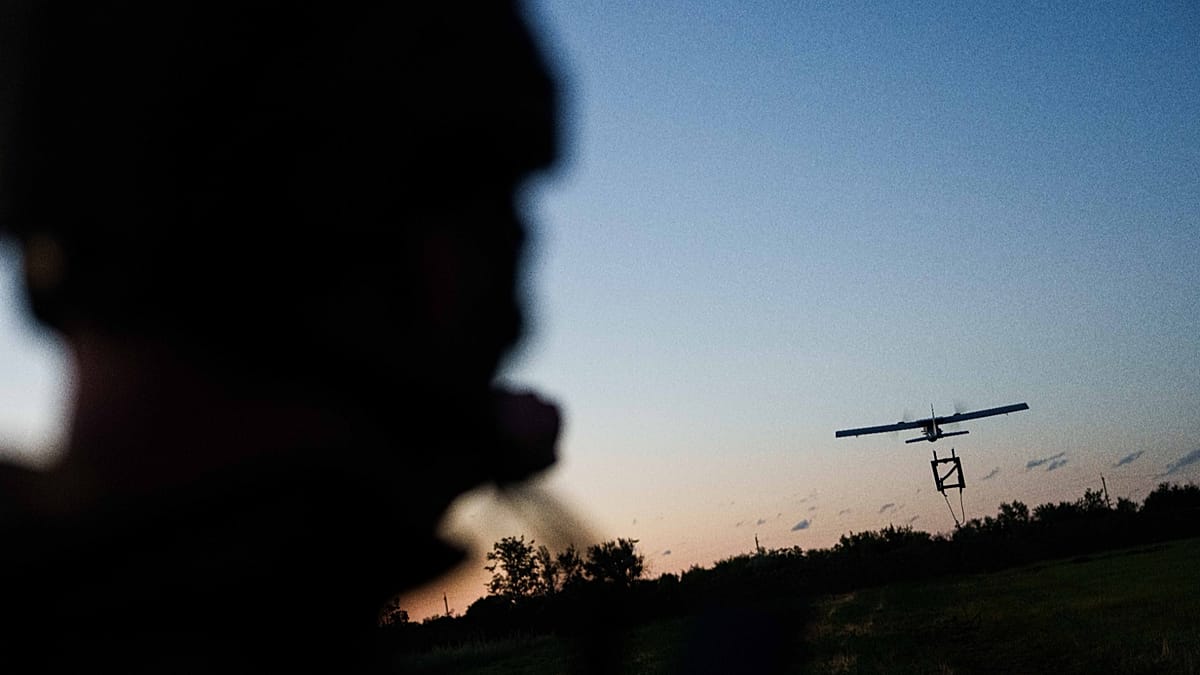 Ukrainian drones hit southern Russian refineries and Azov port
euronews.com
Ukrainian drones hit southern Russian refineries and Azov port
euronews.com
Ukrainian drones hit oil facilities and port infrastructure in southern Russia overnight, prompting evacuations and emergency declarations in at least one coastal city, according to Euronews. Russian authorities reported fires involving petroleum products at a seaport and said residents were moved into temporary accommodation, while Moscow’s defence ministry claimed it downed hundreds of drones across multiple regions.
The strikes extend a campaign Kyiv has described as targeting the revenue streams that fund Russia’s war effort, with energy infrastructure a recurring focus. For Russia, the immediate cost is not only damaged tanks or burning fuel but the operational burden of defending a vast rear area: air defences, firefighting capacity, and local administration are pulled into a war economy far from the front. Euronews said the attacks have contributed to fuel shortages across Russia, a pressure point that is hard to hide because it shows up in everyday logistics.
The incentives for both sides are clear in their public lines. Ukrainian officials frame long-range attacks as “fair retribution” for years of bombardment and as leverage to force negotiations; Kremlin spokesman Dmitry Peskov, quoted by Euronews, rejected the idea that military pressure will produce concessions. That gap leaves infrastructure as the battleground where each side can impose costs without moving armies—drones are cheaper than missiles, and a refinery fire can take longer to resolve than the flight time of the aircraft that caused it.
The political signalling has started to catch up with the tactics. Euronews reported that Donald Trump, in a meeting with Volodymyr Zelensky, appeared to endorse Kyiv’s drone campaign while calling it an escalation that could still help end the conflict. Endorsement from Washington matters less as a moral statement than as a hint about supply lines and tolerances: Russia reads it as permission to expect more, and Ukraine reads it as encouragement to keep hitting targets that are difficult to replace quickly.
Russia can claim high intercept numbers and still face the same problem the next night: ports and storage depots do not move, and fires do not negotiate.