
UN Human Rights Council labels neglected tropical diseases a human rights issue
DRC Ebola outbreak spreads as conflict and aid cuts disrupt containment, Geneva resolution meets field reality in Ituri and Kivu
Images
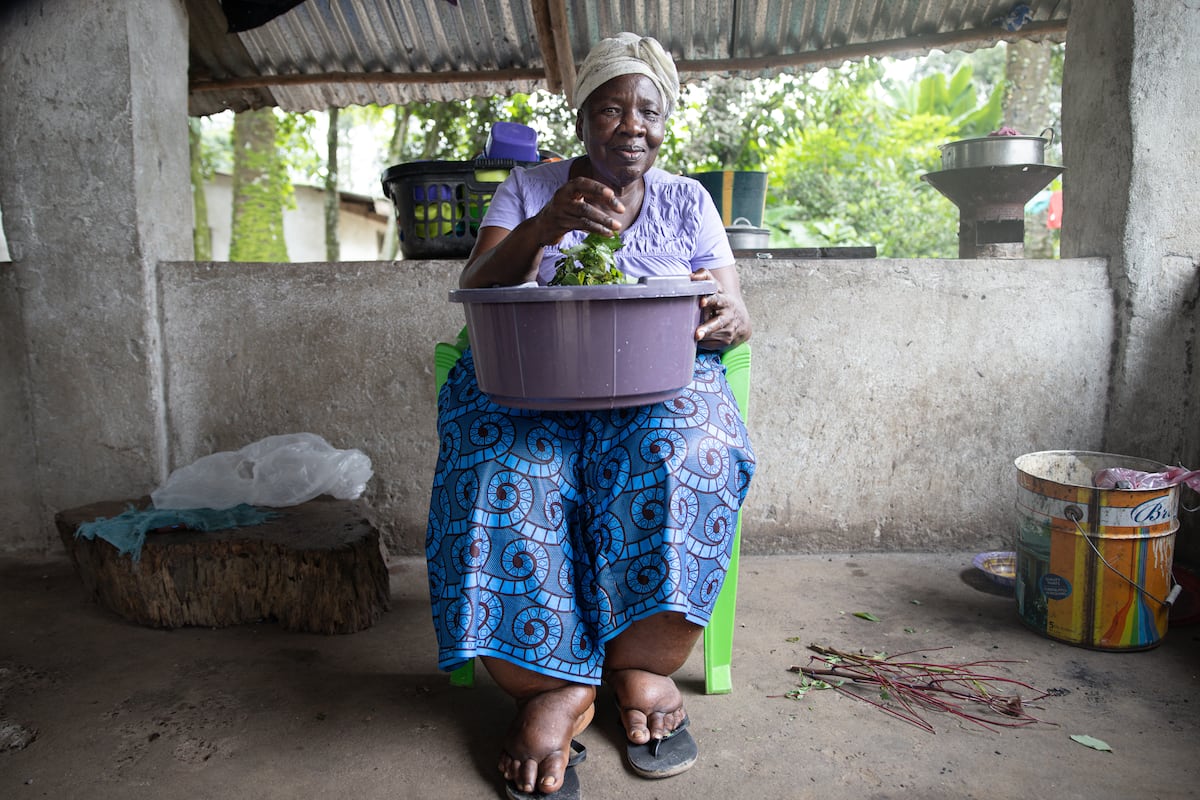 UN takes ‘historic’ step and declares neglected tropical diseases a human rights issue
english.elpais.com
UN takes ‘historic’ step and declares neglected tropical diseases a human rights issue
english.elpais.com
 Healthcare workers and volunteers are finding their efforts complicated by incidents of violence fuelled by misinformation about the disease. Photograph: Gradel Muyisa Mumbere/Reuters
theguardian.com
Healthcare workers and volunteers are finding their efforts complicated by incidents of violence fuelled by misinformation about the disease. Photograph: Gradel Muyisa Mumbere/Reuters
theguardian.com
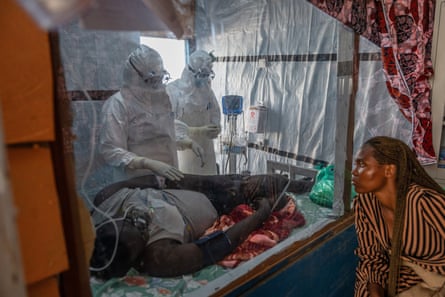 Healthcare workers tend to an Ebola patient in Ituri. Photograph: Moses Sawasawa/AP
theguardian.com
Healthcare workers tend to an Ebola patient in Ituri. Photograph: Moses Sawasawa/AP
theguardian.com
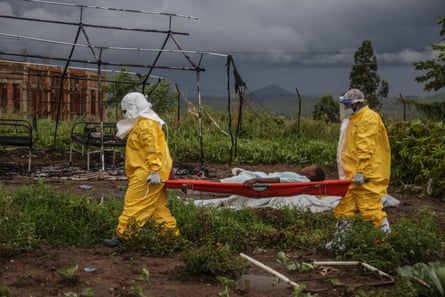 Medical staff wearing PPE carry a patient on a stretcher in front of a burned-down medical centre in Rwampara in May. Photograph: Seros Muyisa/AFP/Getty Images
theguardian.com
Medical staff wearing PPE carry a patient on a stretcher in front of a burned-down medical centre in Rwampara in May. Photograph: Seros Muyisa/AFP/Getty Images
theguardian.com
A United Nations Human Rights Council resolution has formally framed neglected tropical diseases as a human rights issue, a shift backed by a group of African states and adopted unanimously in Geneva, according to El País. The move comes as the Democratic Republic of the Congo’s Ebola outbreak continues to expand, with the Guardian reporting 1,759 recorded cases and 600 deaths in government data dated 8 July.
El País describes the new framing through patients whose illnesses are treatable or preventable but persist in places where basic services do not. The article profiles people living with lymphatic filariasis and leprosy, and argues the burden is tied to poverty, isolation, unsafe water, and stigma as much as to the availability of medicines. The resolution, introduced by Malawi, The Gambia, Morocco, Tanzania, Kenya and Burkina Faso, does not declare treatment itself a standalone right; instead it pushes responsibility beyond health ministries toward the conditions that decide who gets sick in the first place.
The timing matters because the Ebola response is being asked to operate in the opposite direction: less money, less access, more violence. The Guardian reports that nearly two months after the DRC confirmed an outbreak in one province, the virus has spread rapidly and has reached Uganda, with 20 confirmed cases including two deaths. The outbreak is attributed to the rare Bundibugyo variant, which the Guardian says has no approved treatment or vaccine. The Africa Centres for Disease Control and Prevention is quoted calling it the fastest-growing outbreak among all Ebola variants.
Containment depends on logistics and trust, and both are being degraded. The Guardian links the spread to conflict in Ituri, North Kivu and South Kivu, where armed groups and shifting front lines complicate humanitarian access and coordination. It also reports that humanitarian funding for the DRC declined sharply in 2025, largely after the Trump administration froze foreign aid assistance to programmes funded through the US State Department. In practice that means fewer staff, fewer supplies, and fewer chances to keep clinics open long enough to persuade communities to cooperate.
The human-rights language is meant to widen the accountability chain, but it also highlights what the health system cannot compel. When treatment centres are attacked and health workers cannot move, a resolution in Geneva cannot reopen roads or guarantee security. When budgets are cut, prevention becomes a discretionary line item while outbreaks become emergencies that attract short bursts of attention and funding.
The Human Rights Council vote was unanimous. The Ebola case count is still rising.