
Unesco says 113 developing countries spend more on debt service than education
Donor aid to schooling falls as repayments hit 35-year high, private creditors can still block relief deals
Images
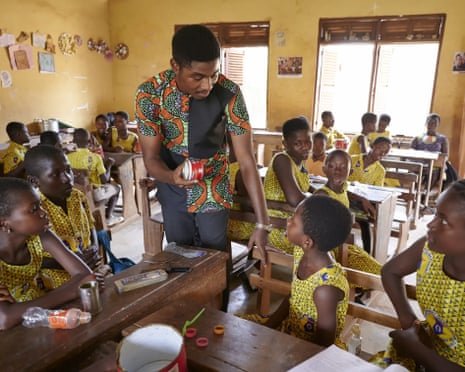 A school in Bolgatanga, Ghana. In sub-Saharan Africa, countries spent 3.6 times more on debt than education last year. Photograph: Unicef/Noorani
theguardian.com
A school in Bolgatanga, Ghana. In sub-Saharan Africa, countries spent 3.6 times more on debt than education last year. Photograph: Unicef/Noorani
theguardian.com
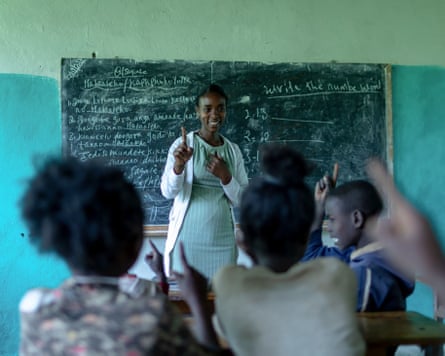 Lack of funding for schools is disrupting children’s education. Photograph: Mulugeta Ayene/Unicef
theguardian.com
Lack of funding for schools is disrupting children’s education. Photograph: Mulugeta Ayene/Unicef
theguardian.com
Developing countries paid more to foreign creditors than they spent on educating their children in 2025, according to new Unesco figures reported by The Guardian. The agency says 113 developing countries spent more on servicing external debt than on education, and that in sub-Saharan Africa debt payments were 3.6 times education spending.
The numbers land as donors are cutting back. Unesco estimates low- and lower-middle-income countries lost 21% of the aid to education they were receiving in 2023, and warns the reduction could reach 30% by 2027. The Guardian reports that Afghanistan, Mali, Niger and Liberia have already seen education aid fall by more than 40% over three years, a squeeze that shows up not as abstract “budget pressure” but as schools that cannot cover basic operating costs and teachers who go unpaid.
Debt service has risen with the sequence of shocks governments did not price for: Covid-19, higher energy costs, rising interest rates, and climate-related disasters. Unesco says repayments by poorer countries hit a 35-year high in 2024, and that in 2024 a group of 56 countries spent almost a fifth of total revenue on servicing loans. For the most indebted states, the trade-off is starker: Unesco says 18 of them spent five times as much on debt repayment as on education, while Sri Lanka spent up to 16 times more.
What makes the cycle hard to break is the way restructuring deals can be vetoed by creditors who do not run the schools or hospitals that get cut. The Guardian notes that private lenders, often based in Britain and the US, have blocked debt-relief agreements, citing Ethiopia as a recent example. Unesco is urging a shift from short-term relief to longer-term arrangements that allow governments to keep funding essential services while they restructure—because shutting classrooms to meet payment schedules turns “fiscal consolidation” into weaker human capital, lower growth, and a harder debt problem later.
Debt Justice, cited by The Guardian, is calling on the UK to use its G20 presidency in 2027 to change the process, including faster timelines and rules that stop private creditors from derailing deals. The proposal would pull more of the debt-relief machinery into English law, where many sovereign debt contracts are written.
In 2025, Unesco’s tally shows, dozens of governments effectively prioritised bond coupons over school budgets. The debts were enforceable in court; the education plans were not.