
Hong Kong lets dogs into hundreds of restaurants
Decades-old dining ban lifted with leash and hygiene rules, etiquette workshops emerge to make permission workable
Images
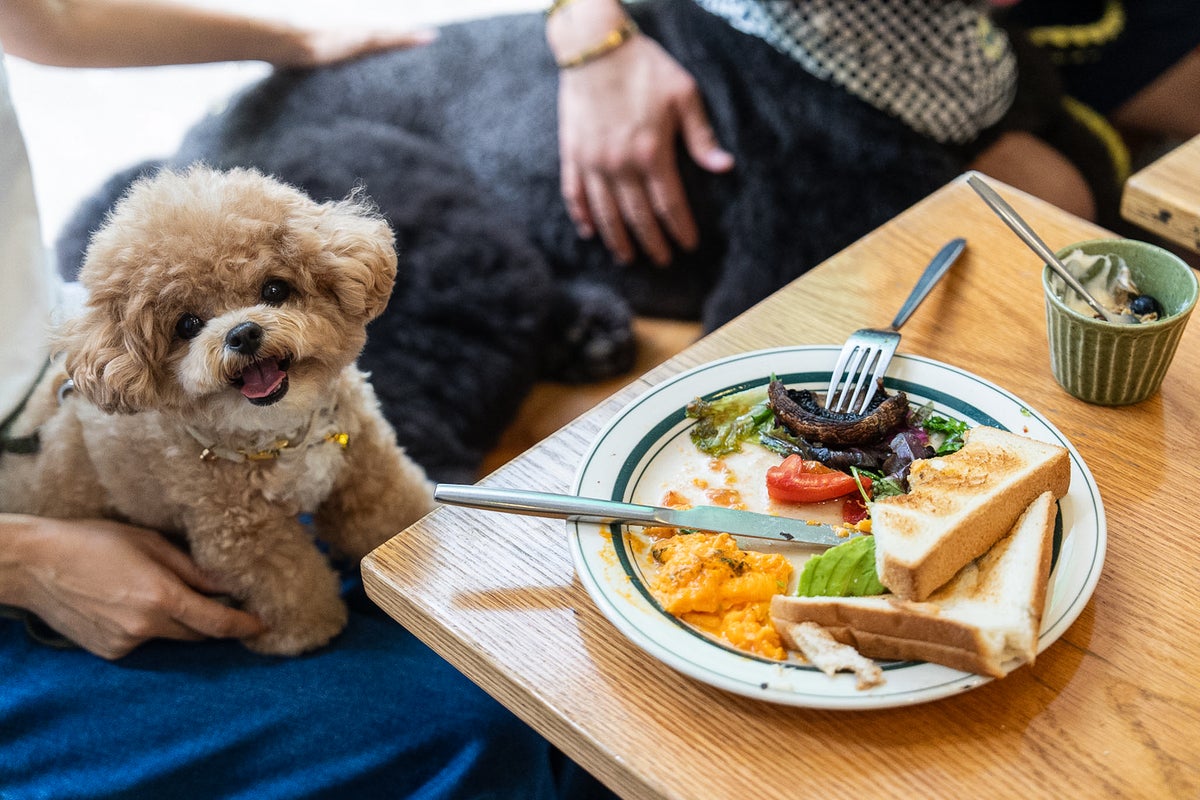 Hong Kong eateries welcome dogs in a step to promote a pet-friendly society
independent.co.uk
Hong Kong eateries welcome dogs in a step to promote a pet-friendly society
independent.co.uk
Hong Kong has begun allowing dogs into a first batch of more than 900 approved restaurants, relaxing a rule that since 1994 largely limited access to guide dogs and animals performing statutory duties. The change took effect on Thursday, according to The Independent, and comes with conditions: dogs must be leashed on leads no longer than 1.5 metres, kept off tables, and cannot eat from reusable human utensils.
The government frames the move as part of building a “pet-friendly culture” and an “animal-friendly society,” language that sits alongside a more immediate commercial motive that restaurant operators openly discuss. The Independent reports some eateries expect the rule change to lift business; one dim sum restaurant invested more than 10,000 Hong Kong dollars in partitions and air purification and is hoping for an increase in trade. In a city where rents and labour costs leave thin margins, even a modest new customer segment can matter.
The policy also illustrates how Hong Kong’s public-health and nuisance rules are being rewritten through managed exceptions rather than a blanket liberalisation. Only approved restaurants are covered in the first phase, and the restrictions are detailed enough to shift compliance costs onto owners and customers: leashes, separation areas, cleaning products, and behavioural expectations for animals that have not historically been part of the dining environment. The Independent describes “dog dining etiquette workshops” run by trainers to acclimatise pets to restaurant settings, effectively creating a private market in rule-following to make the new permission workable.
Hong Kong already allows pets on some ferry routes and on certain metro trains serving rural areas, and public hospitals have started permitting pet visits for palliative care patients, suggesting a broader drift toward accommodating companion animals in shared spaces. The Independent cites government figures showing more than 240,000 households keep over 400,000 pet cats and dogs—about 9% of households—large enough to become a constituency but still small enough that non-owners can plausibly resist changes that impose noise, hygiene, or allergy burdens.
Restaurant owners interviewed by The Independent sounded less like evangelists than early adopters testing whether the city’s rules can be bent without provoking backlash. At one café, a “dogs welcome” poster replaced the previous compromise of outdoor-only seating.
On Thursday, the new rule was visible in the most practical way: a dog sitting beside its owner at a dining table, inside a restaurant that would have been off-limits the day before.