
Cuban dissident artist Luis Manuel Otero Alcántara vanishes after prison release
El País reports authorities removed San Isidro Movement leader days before sentence end, Havana offers exile while keeping custody opaque
Images
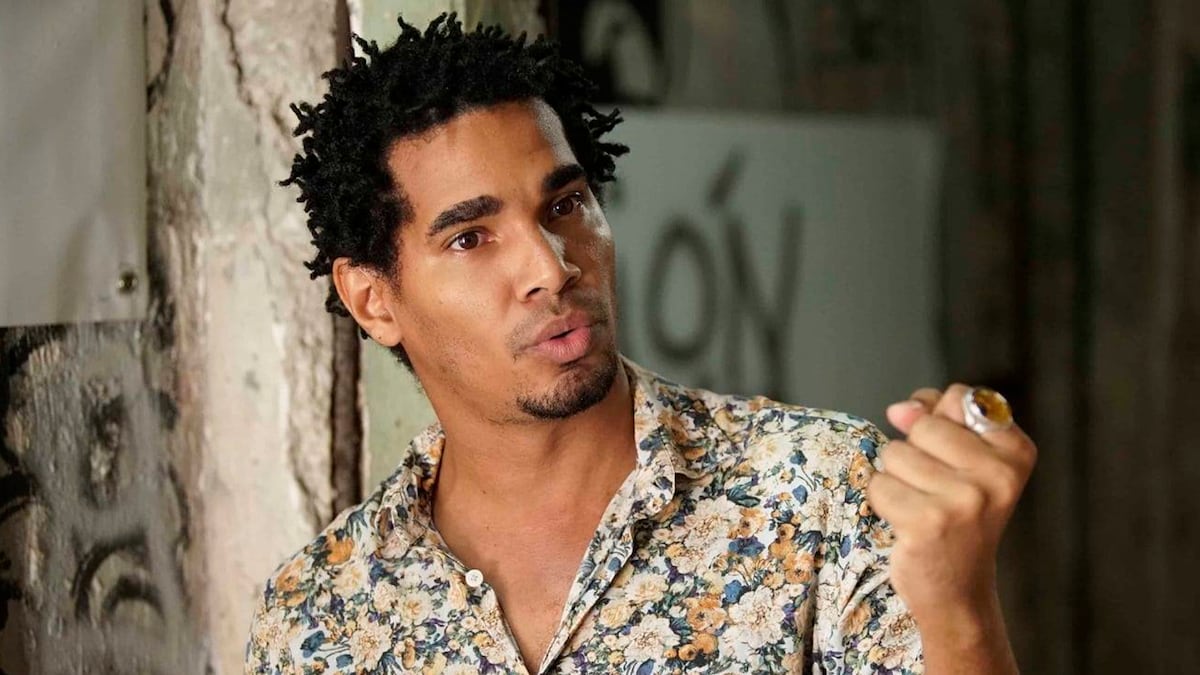 Cuban political prisoner Luis Manuel Otero Alcántara released from prison
english.elpais.com
Cuban political prisoner Luis Manuel Otero Alcántara released from prison
english.elpais.com
Luis Manuel Otero Alcántara was taken out of Cuba’s Guanajay prison on Tuesday, days before his sentence was due to expire, according to El País. Activists say the dissident artist has not returned home and remains in the hands of state security, with his whereabouts unknown.
According to El País, the government has not issued an official statement about the release or where Otero Alcántara was taken. News of his removal from the prison spread instead through other inmates and was confirmed indirectly by people close to him, including curator and activist Anamely Ramos, who said he is “disappeared” rather than free. The episode follows a pattern familiar to Cuban opposition figures: formal legal milestones—sentence completion, parole, “release”—become administrative moments the security services can reframe as transfers, restrictions, or exile negotiations.
Otero Alcántara is not an obscure detainee. El País notes that Time magazine named him among its 100 most influential people in 2021, and that he led the San Isidro Movement, which drew international attention after artists and supporters launched a hunger strike amid a wider crackdown. Prosecutors framed his case around offenses such as “contempt” and “public disorder,” and El País recounts how he was previously accused of “insulting national symbols” after a performance using the Cuban flag. The state’s preferred charges in such cases are elastic enough to be applied to protest art, street gatherings, or chants—useful for punishment, but also for keeping a file open.
The timing matters. El País reports that Otero Alcántara’s sentence was due to end on July 9, and that he was removed from prison four days early. That creates a narrow window in which authorities can claim humanitarian flexibility while still controlling the outcome: a quiet handover into surveillance, a forced choice between staying under pressure or leaving the country, or a period of isolation that disrupts networks before a public moment. In Cuba’s current economic crisis—marked by shortages and repeated infrastructure failures—public order is treated as a resource to be rationed, and high-profile dissidents can be managed as both a domestic deterrent and an external bargaining chip.
El País writes that Cuban authorities had previously offered Otero Alcántara indefinite exile in exchange for release, an offer he rejected at the time. In a later prison interview, he began to acknowledge exile as a possibility, while warning that the state could fabricate new accusations if he remained. The practical leverage for the government is straightforward: leaving ends the immediate problem at home; staying keeps the person within reach of police and prosecutors.
On Tuesday, Otero Alcántara left Guanajay prison under heavy security, according to activists cited by El País. Two days later, neither his family nor close friends had been told where he is.