
US strikes hit Iranian targets near Strait of Hormuz
El País says Trump links attacks to shipping security after merchant vessel incidents, Europe watches oil and risk premiums move first
Images
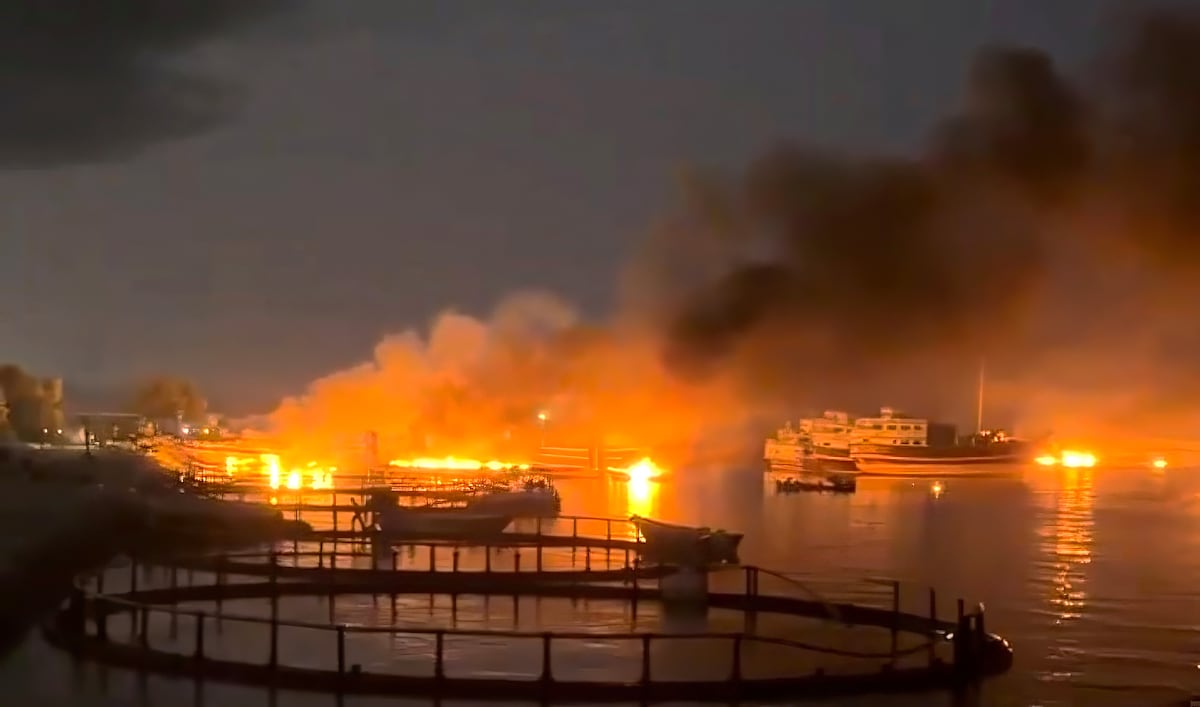 The United States follows through on Trump’s threat, launching major strikes on Iran
english.elpais.com
The United States follows through on Trump’s threat, launching major strikes on Iran
english.elpais.com
U.S. forces near the Strait of Hormuz launched heavy strikes on Iranian targets on July 9 after President Donald Trump announced the operation hours earlier, according to El País. U.S. Central Command said the attacks were intended to degrade Iran’s ability to threaten freedom of navigation, after Tehran was blamed for recent aggression against commercial shipping and civilian crews.
The escalation lands in Europe as a familiar pattern: a security shock in the Gulf becomes an energy and insurance shock in European capitals within hours. El País reports that Trump’s initial remarks coincided with a drop in Spain’s Ibex index and a jump in oil prices, a reminder that the Strait of Hormuz still functions as a pricing mechanism for everything from transport to food. When Washington says it is protecting shipping lanes, it is also deciding which risks are priced into global trade—and which countries are expected to absorb them.
The immediate trigger, according to El País, was a series of attacks starting on July 6 in which Iran struck at least three merchant vessels linked to Saudi, Emirati and Qatari interests. Washington responded by revoking its authorisation for international sales of Iranian oil—an authorisation that Tehran had secured only weeks earlier under a bilateral memorandum of understanding signed remotely in mid-June. That memorandum, described as roughly a page and a half long, set out a roadmap toward a broader deal on Iran’s nuclear programme and the future of the strait, with a 60-day deadline running to late August.
That sequencing matters because it shows how quickly a negotiated “off-ramp” can be converted into leverage. In El País’ account, the same U.S. administration that offered a temporary oil-sales opening then used its withdrawal as a pressure tool once shipping was hit. Iran’s parliamentary speaker Mohammad Bagher Ghalibaf accused the United States of violating the ceasefire, citing the strikes, the reinstated oil ban and Israeli attacks in Lebanon—an issue Iran had insisted be included in the mid-June memorandum.
For Europe, the second-order effects are less about the stated military objectives than about what becomes normal. A NATO summit in Ankara ran in parallel with the crisis, with Trump publicly signalling that further strikes were likely even as he later suggested the operation would be “over very quickly,” according to El País. Markets, shipping firms and energy buyers do not get to price “very quickly”; they price the possibility that the next disruption is also a policy choice.
On July 9, U.S. Central Command confirmed the strikes shortly after announcing time, while Tehran’s negotiators publicly framed the same actions as proof that the ceasefire track had collapsed. The memorandum’s deadline remains on the calendar, but the shipping lanes are being policed by air strikes.