
Trump grants Ukraine Patriot production licence
Euronews says decision announced with Zelenskyy at Nato summit in Ankara, manufacturer not yet informed as interceptor stockpiles run thin
Images
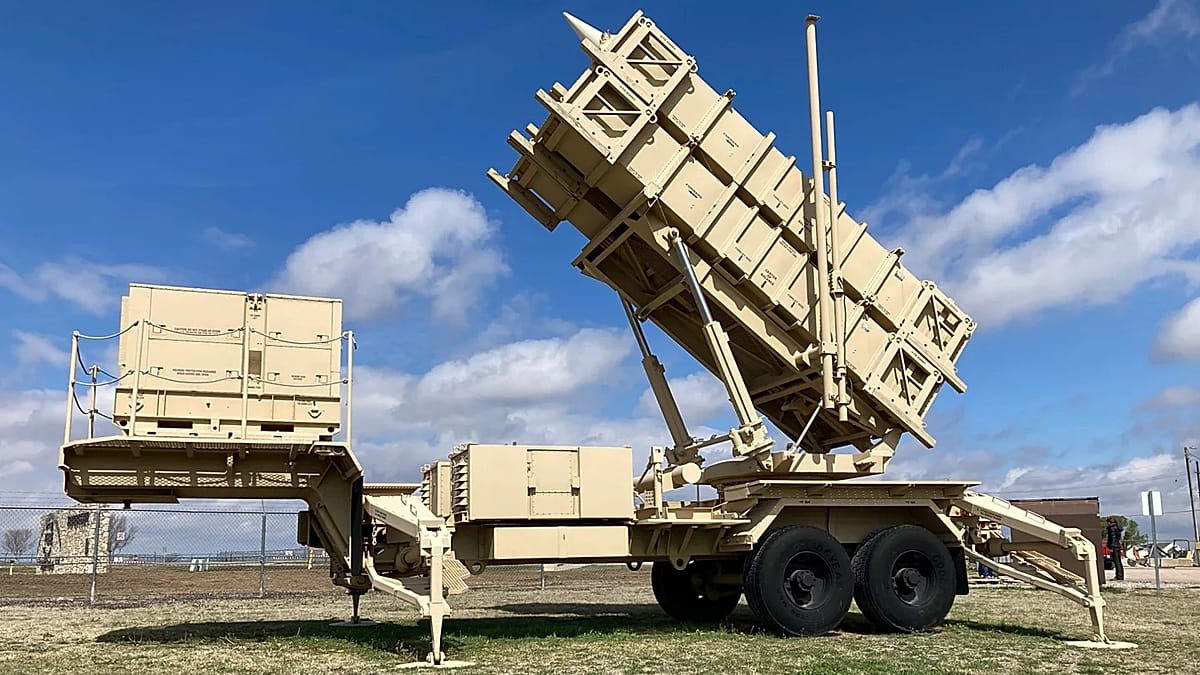 US to give Ukraine licence to produce Patriot air-defence interceptors
euronews.com
US to give Ukraine licence to produce Patriot air-defence interceptors
euronews.com
Donald Trump said the United States will grant Ukraine a licence to produce Patriot air-defence interceptors, speaking alongside Volodymyr Zelenskyy at the Nato summit in Ankara on Tuesday, according to Euronews. Trump framed the move as a way for Kyiv to “make them yourself” rather than complain about slow deliveries, and said the system was “very complex” but that Ukraine would “figure out the complexity quickly”.
The announcement lands in a war defined less by slogans than by inventories. Officials cited by Euronews describe Ukraine’s Patriot interceptor stocks as critically low, while Zelenskyy said Lockheed Martin produces roughly 600 interceptors a year. Ukrainian officials, meanwhile, estimate Russia is producing around 120 ballistic missiles a month and has increasingly tailored strike packages to probe gaps in air defence; Euronews notes a recent night when around 30 ballistic missiles were launched.
Licensing local production sounds like an escape from the bottleneck, but it also shifts the bottleneck. Patriots are manufactured in the US by Raytheon and Lockheed Martin, and Trump suggested the manufacturer had not yet been informed of his licence decision. He also claimed US industry was already building “four plants” and that “all of our companies” could do this in “two to three months” — a timeline that, if taken literally, compresses years of supply-chain qualification, export-control compliance, and quality assurance into a single quarter.
There is also the question of who else is drawing from the same pool. Euronews reports that the US and Israel’s war on Iran has depleted almost a third of the global stockpile of Patriot interceptors, and that some estimates put Gulf states’ recent firing at more than 1,100 interceptors. That turns a licensing story into a rationing story: every promise to accelerate output is made against a background of allies already consuming interceptors faster than factories can replace them.
For Nato, the optics are tidy — a headline about empowerment rather than another request for emergency shipments — but the underlying trade remains the same. The alliance cannot outsource its air-defence problem to a press conference; it has to decide whether scarce interceptors protect cities, power infrastructure, or front-line forces, and which theatre gets priority when multiple partners are under missile threat.
Trump’s key detail was not the licence itself but his aside that the company had not been told yet. In a weapons system measured in months of production and seconds of flight time, the paperwork is often the longest leg.