
New York City evacuates Midtown high-rise after structural failure signs
Conversion of office tower into luxury apartments triggers frozen zone, prior complaints sit beside overnight stabilisation work
Images
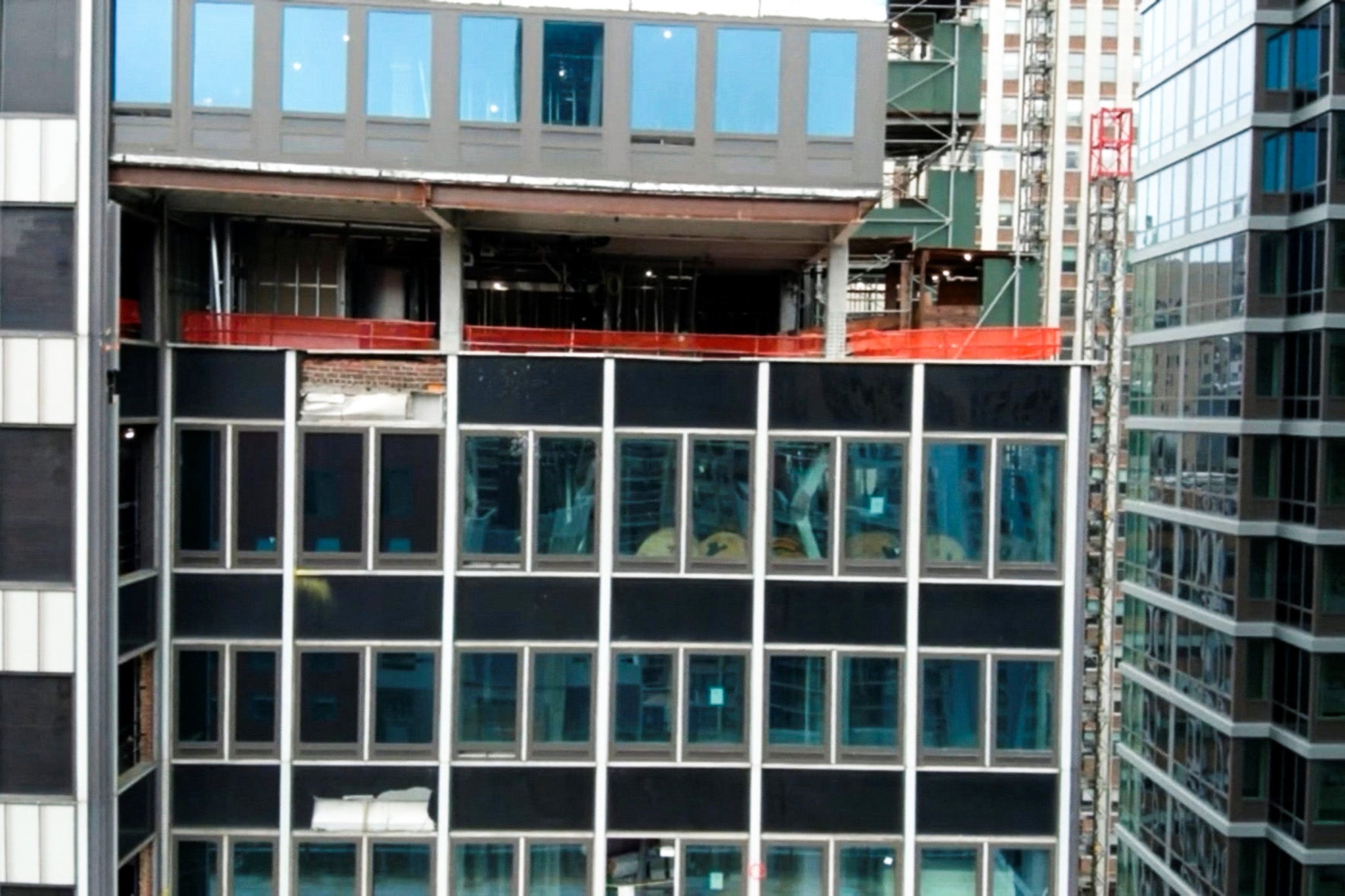 New York City shrank the 'frozen zone' around compromised Manhattan high-rise on Wednesday, but warns of tense days ahead as workers rushes to save the 37-story structure (FDNY/Reuters)
FDNY/Reuters
New York City shrank the 'frozen zone' around compromised Manhattan high-rise on Wednesday, but warns of tense days ahead as workers rushes to save the 37-story structure (FDNY/Reuters)
FDNY/Reuters
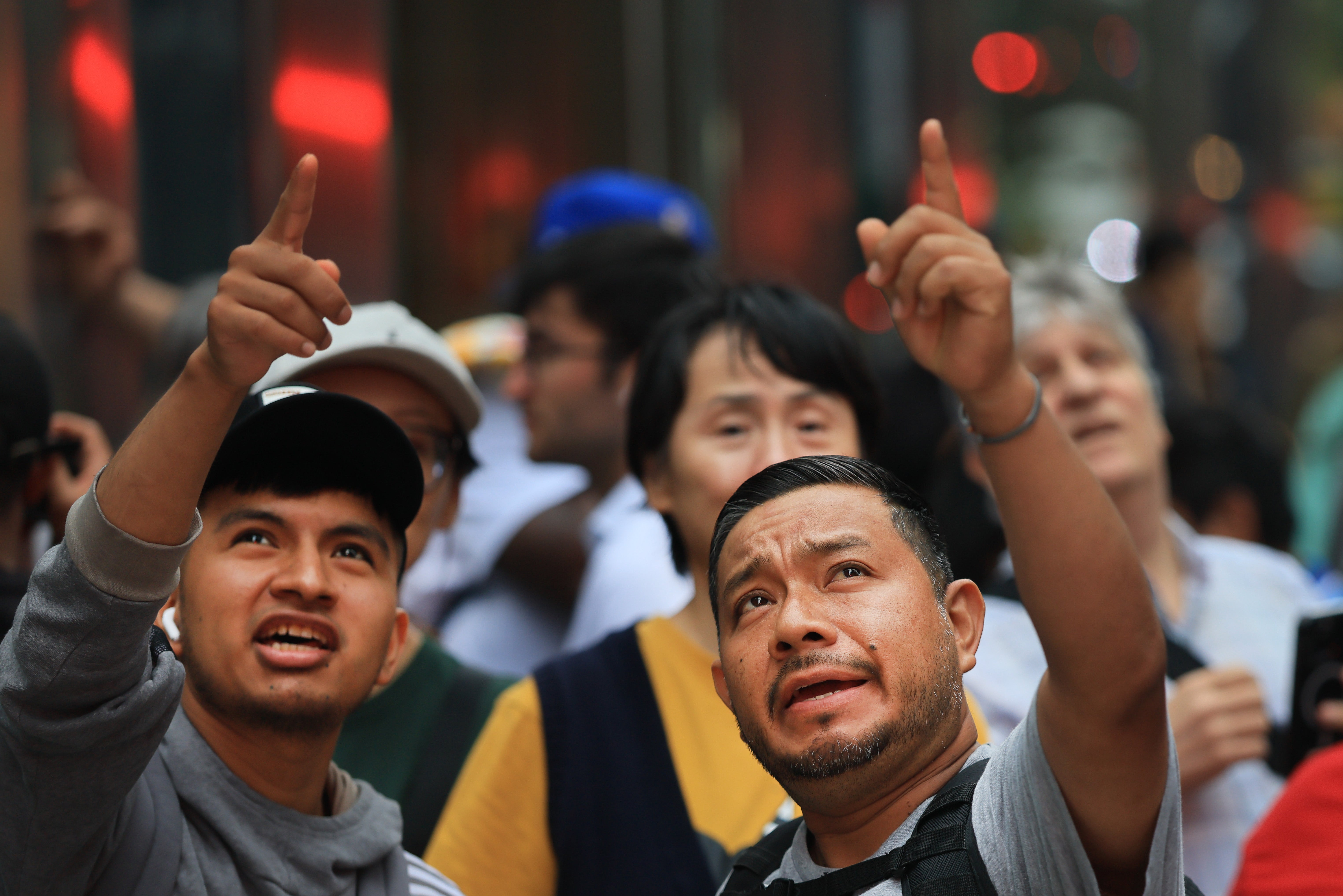 Police have limited access to the zone which spans between East 42nd and 43rd Streets, and Second and Third Avenues. In total, five buildings remained partially or fully vacated (Getty)
Getty
Police have limited access to the zone which spans between East 42nd and 43rd Streets, and Second and Third Avenues. In total, five buildings remained partially or fully vacated (Getty)
Getty
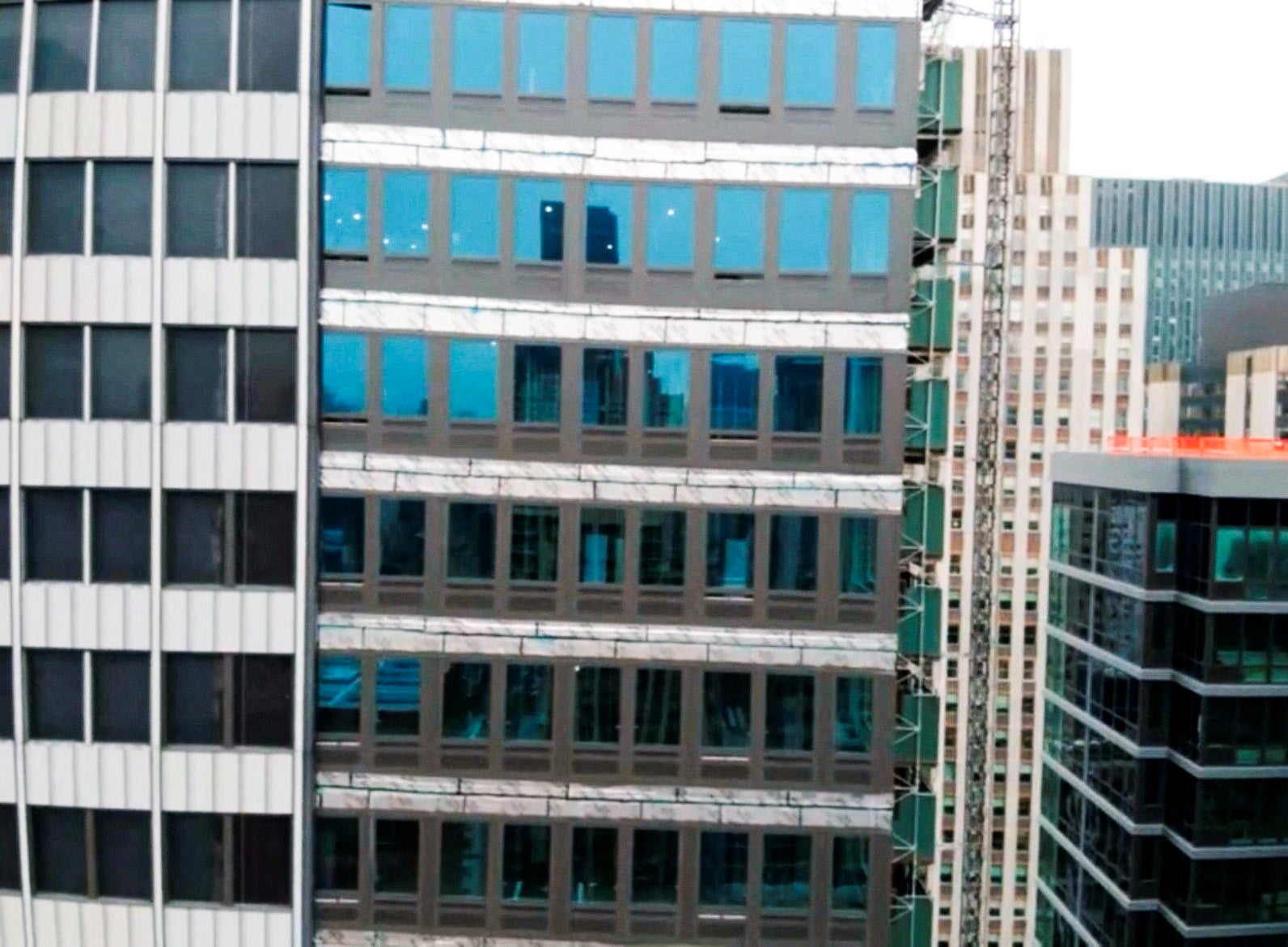 The midtown Manhattan high-rise that was deemed a collapse risk Tuesday has a history of complaints against it (FDNY/Reuters)
FDNY/Reuters
The midtown Manhattan high-rise that was deemed a collapse risk Tuesday has a history of complaints against it (FDNY/Reuters)
FDNY/Reuters
A ‘frozen zone’ around a Midtown Manhattan high-rise remained in place on Wednesday as New York City crews worked overnight to stabilise a building officials said was at risk of partial collapse. The structure—reported by The Independent as a former office tower being converted into luxury apartments—was evacuated along with several neighbouring buildings, leaving nearby residents, workers and tourists unable to retrieve belongings.
According to The Independent, construction workers first noticed bending steel beams and cracking early on Tuesday, prompting an emergency response that expanded beyond the project site. Police restricted access to a perimeter spanning blocks around East 42nd Street, and an evacuation order reached nearby hotels, offices and a school with about 400 students. By Wednesday morning, the city had reduced the cordon, but several buildings remained partially or fully vacated while crews continued shoring up the structure.
The episode is also becoming a record of how urban construction risk is managed in practice: through complaints, inspections, and after-the-fact closures once something visibly goes wrong. A second Independent report says the building had dozens of prior complaints logged with the city’s Department of Buildings, including reports of falling debris and allegations about rooftop work practices. In at least two cases cited—an anonymous complaint in March and another in April—city response teams said they did not observe the reported conditions when they attended.
That gap between paperwork and physical reality is where the costs land. When a site is sealed off, the immediate burden falls on people who did not sign the construction contracts: hotel guests with luggage inside, restaurant operators under partial evacuation orders, and tenants and workers in adjacent addresses who are told to wait for updates. The contractor and developer, meanwhile, face a different timetable—stabilise first, explain later—because the city’s priority becomes preventing injuries and restoring traffic flow.
A steamfitters union representative quoted by The Independent attributed the visible deterioration on one side of the building to insufficient steel reinforcement. City officials, including the Department of Buildings commissioner, urged the public to stay away while saying late Tuesday that monitoring showed the structure in a consistent and stable condition after hours of observation.
On Wednesday, streets around East 42nd Street were still closed to vehicles, and several addresses inside the reduced perimeter remained under emergency evacuation orders while crews continued work behind police tape.