
Trump declares Iran ceasefire over
Fresh US strikes follow Hormuz ship attacks, Nato backs operation as Gulf bases face retaliation
Images
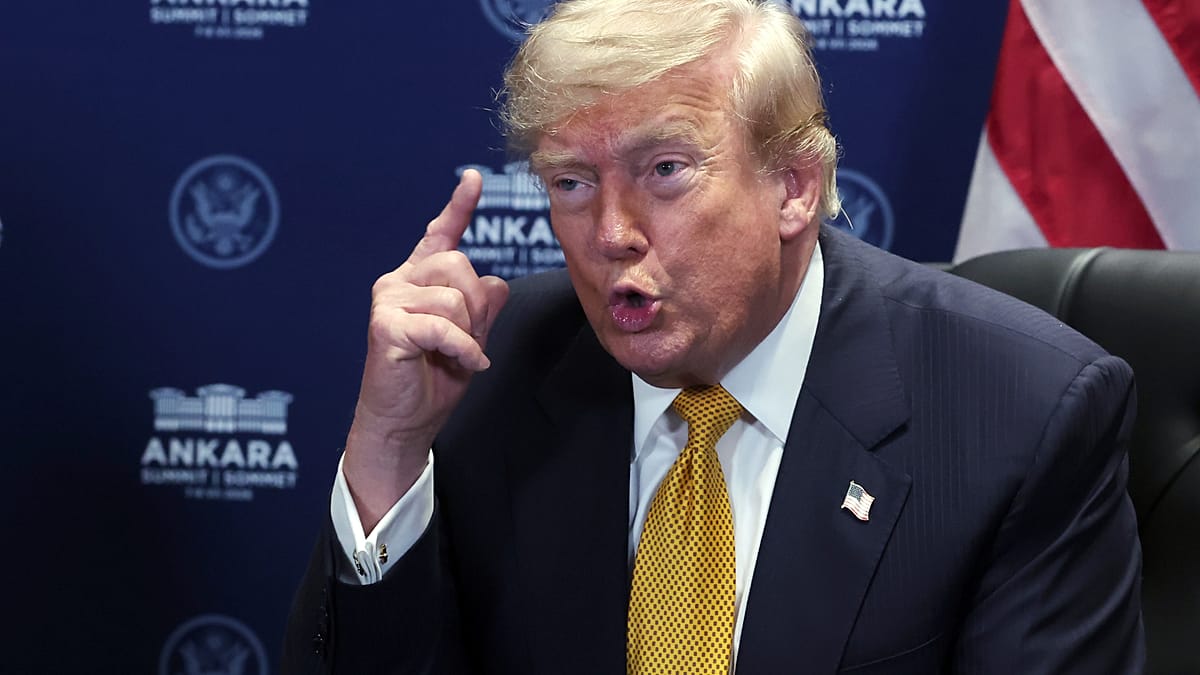 Trump says ceasefire with Iran 'is over' after fighting resumes
euronews.com
Trump says ceasefire with Iran 'is over' after fighting resumes
euronews.com
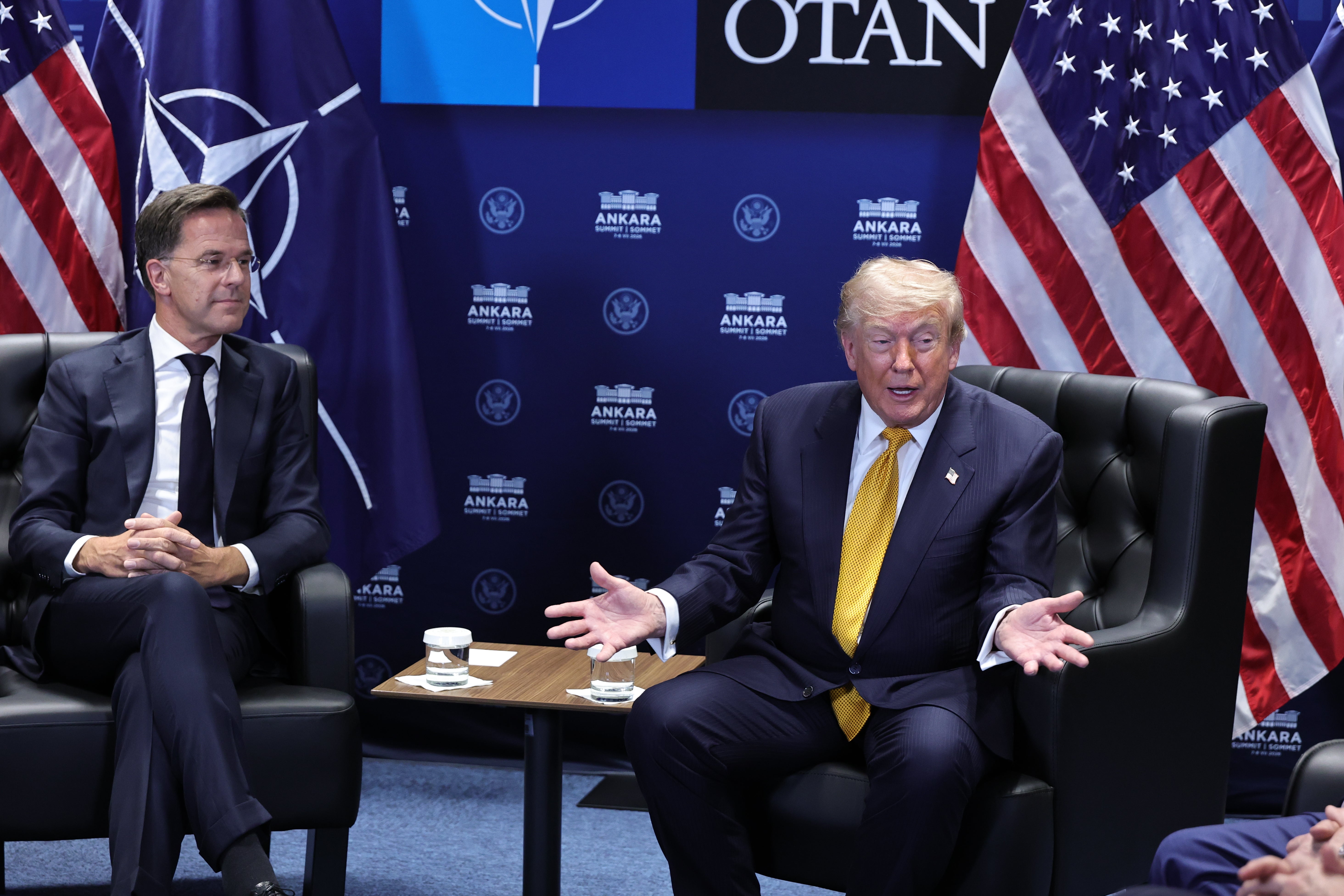 Donald Trump, right, speaks with NATO Secretary General Mark Rutte (AP)
independent.co.uk
Donald Trump, right, speaks with NATO Secretary General Mark Rutte (AP)
independent.co.uk
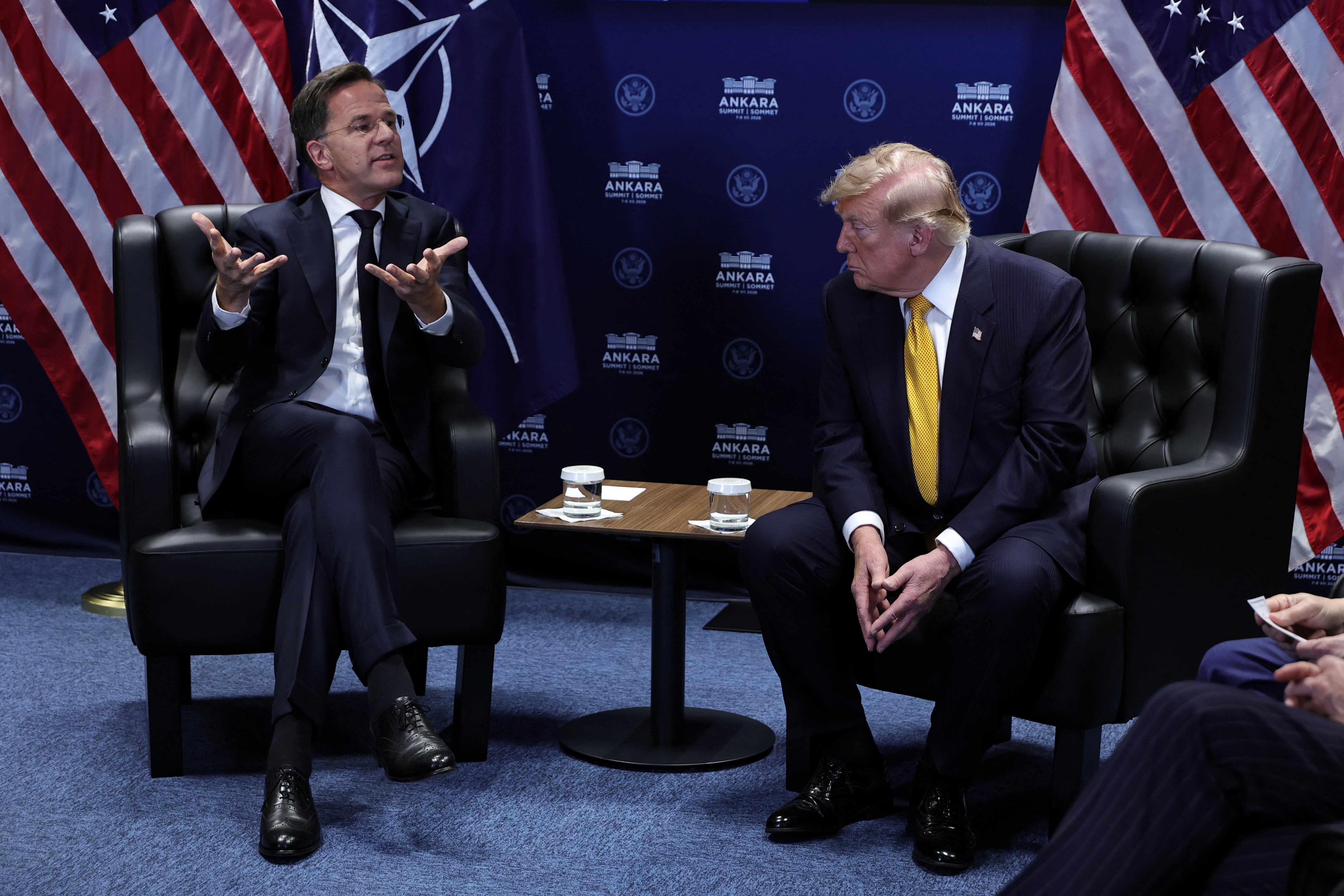 Rutte tried to placate Trump with figures of how Nato was lifting its spending (Reuters)
Reuters
Rutte tried to placate Trump with figures of how Nato was lifting its spending (Reuters)
Reuters
US President Donald Trump said the ceasefire with Iran “is over” after Washington launched fresh overnight strikes following attacks on commercial shipping in the Strait of Hormuz. According to Euronews, US Central Command said it hit more than 80 targets, including Iranian air defences, command-and-control networks, coastal radar sites, anti-ship missile capabilities and more than 60 Islamic Revolutionary Guard Corps small boats in and near the waterway. Iran retaliated by targeting US bases in the Gulf, triggering missile alert sirens in Bahrain and air-defence interceptions reported by Kuwait.
The episode turns a narrowly framed maritime-security dispute into a wider test of who bears the costs of escalation. The Strait of Hormuz is not just a battlefield but a tollgate for global energy flows, and both sides have incentives to make shipping risk visible: Iran by threatening passage, the US by demonstrating it can impose immediate military costs. Euronews reports that Washington portrayed the strikes as punishment for targeting “commercial shipping crewed by innocent civilians in an international waterway,” while Iran’s foreign ministry accused the US of repeatedly violating a memorandum of understanding. In Ankara, Nato secretary general Mark Rutte defended the US operation as “absolutely necessary,” effectively tying the alliance’s political credibility to an American decision taken on short notice.
The sanctions dimension is moving in parallel with the missiles. The Independent reports the US revoked a license that had allowed Iran to sell oil, a step that can bite faster than diplomacy because it forces insurers, traders and banks to reprice risk immediately. Iran’s parliament speaker Mohammad Bagher Ghalibaf, described as both a top negotiator and speaker in the Independent’s account, listed alleged US violations ranging from actions in the Strait to threats and sanctions, and warned that Tehran would not “fold.” In practice, that pushes the dispute toward a cycle where each side can claim the other broke the deal first, leaving commercial actors to decide whether to keep transiting Hormuz, reroute, or pause.
Iranian media reported explosions in multiple locations, including Bandar Abbas, Qeshm and Sirik, and the Independent cited reports of blasts at Kharg Island, Iran’s main oil hub. Trump, speaking at the Nato summit, said it was up to Tehran to return to negotiations and complained that Iran had misrepresented the terms of the June ceasefire. Even as he spoke of talks, the operational picture described by both outlets was of expanding target sets and retaliatory alerts.
Bahrain’s sirens and Kuwait’s air-defence intercepts arrived hours after Trump declared the ceasefire finished. The shipping lane that both sides say they are protecting is now the terrain on which the argument is being enforced.