
US launches strikes against Iran
Central Command cites attacks on three commercial vessels in Strait of Hormuz, targets remain unclear as shipping risk becomes the message
Images
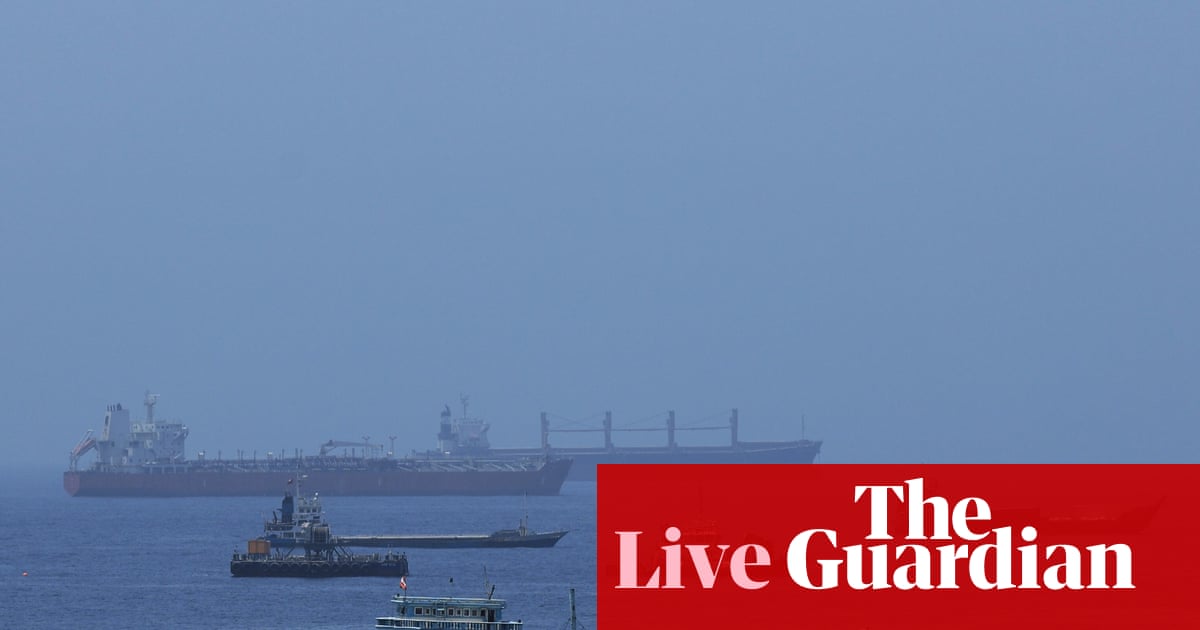 Middle East crisis live: US military launches strikes against Iran in retaliation for attacks on commercial vessels
theguardian.com
Middle East crisis live: US military launches strikes against Iran in retaliation for attacks on commercial vessels
theguardian.com
The US military launched a series of strikes against Iran after Washington said Iranian forces attacked three commercial vessels transiting the Strait of Hormuz, according to the Guardian’s live coverage citing a statement from US Central Command. US officials described the action as retaliation intended to “impose heavy costs” for targeting commercial shipping, and framed the alleged attacks as a violation of a ceasefire. Iranian media, meanwhile, reported that six projectiles struck the area of Taheroui pier in Sirik in southern Iran, while the US did not specify what it hit.
The immediate problem for global markets is not what was struck on land, but what becomes normal at sea. The Strait of Hormuz is a narrow choke point for energy exports, and recent reporting in this feed has already shown how quickly shipping turns into an enforcement tool: insurers reprice risk, shipowners reroute, and governments begin issuing “guidance” that functions like an unofficial toll. When the US says it is punishing attacks on commercial vessels, it is also signaling that merchant traffic is now part of the battlefield—something that invites both deniable harassment and escalatory “protection” missions.
The ceasefire language matters because it gives each side a ready-made legal story for the next step. US Central Command called Iran’s actions “unwarranted” and “dangerous,” while Iranian reporting focused on where the projectiles landed rather than on responsibility for the vessel attacks. That gap—claims of aggression on one side, ambiguity and selective detail on the other—creates room for both calibrated retaliation and domestic messaging, without resolving the underlying question of who controls passage and on what terms.
For Gulf states and other regional actors, the incentive is to demand de-escalation while quietly preparing for higher costs. A sustained spike in maritime risk premiums can raise the delivered price of oil and refined products without any formal embargo, and it can do so in a way that is hard to reverse once routing patterns and security postures change. The second-order effect is bureaucratic: once emergency escorting, surveillance, and “corridor” management expand, they tend to persist even if the original incident fades.
For now, the US says it struck Iran, Iran-linked media says projectiles hit a pier area in Sirik, and neither side has publicly offered a clear list of targets that would let outsiders price what comes next.
The world’s most important shipping lane is being governed by press statements and partial damage reports.