
EU starts €3 duty on low value parcels from outside bloc
Commission says platforms pay but checkout prices shift anyway, warehouses become the new border
Images
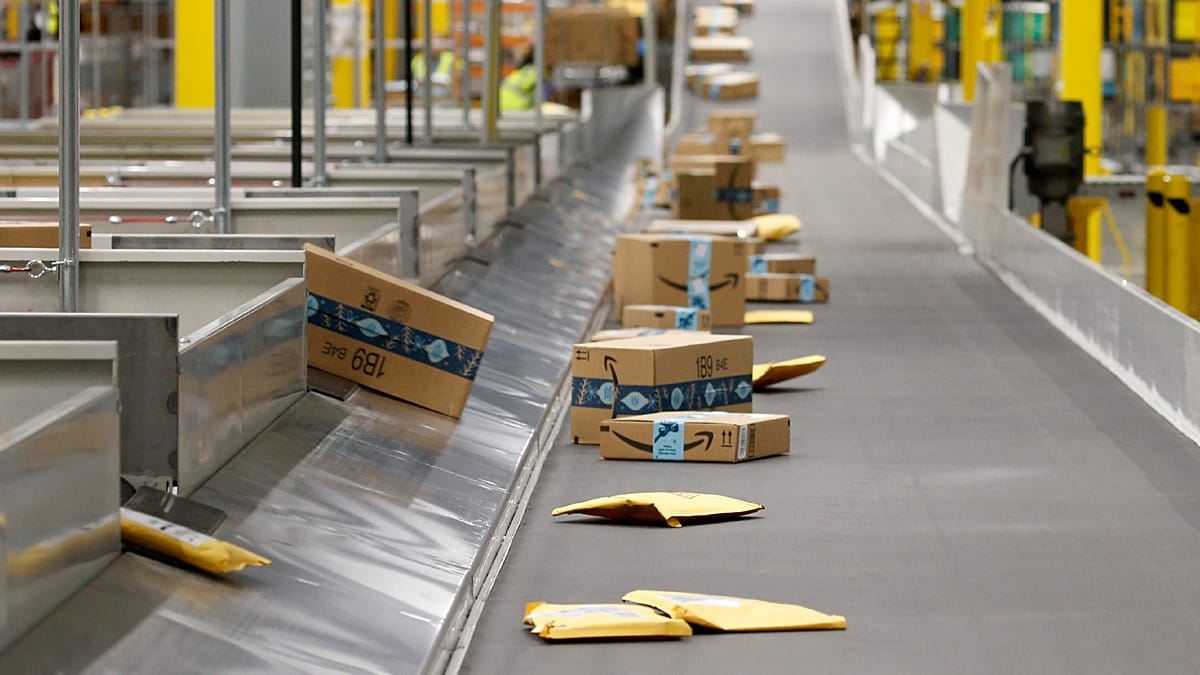 Is shipping to the EU now more expensive for consumers?
euronews.com
Is shipping to the EU now more expensive for consumers?
euronews.com
A temporary €3 customs handling duty began applying on 1 July to low-value parcels entering the EU from outside the bloc, according to Euronews’ reporting on the European Commission’s new measure. The charge applies to online purchases shipped directly to consumers when the goods are worth up to €150, and it is scheduled to run until 1 July 2028 while Brussels pursues a wider customs reform. The Commission says the duty is charged to e-commerce platforms rather than shoppers, but it also acknowledges it cannot speak for how sellers and platforms will pass the cost through.
The policy targets a part of retail that has grown precisely because the marginal cost of ordering a cheap item from abroad has been made to feel close to zero. Customs authorities still have to classify goods, record declarations, and handle compliance checks whether a parcel contains a €5 accessory or a €500 device; the Commission frames the duty as a way to cover processing costs and level competition for EU-based businesses. The fine print matters: the €3 is charged per “type of goods” based on tariff classification, not per order. Euronews notes that a basket containing, for example, two T-shirts, a phone, and a watch could trigger the fee three times, before VAT.
That structure nudges marketplaces toward logistics choices that change who carries risk. Platforms that can route orders through EU warehouses can avoid the duty altogether because the package no longer enters the EU customs territory as a direct-to-consumer import. Euronews cites Amazon data that in 2025 most products ordered through its EU stores were dispatched from within the EU, insulating many customers from the new charge. For sellers that previously relied on direct shipping from outside the bloc, the alternative is to pre-position inventory in Europe—tying up capital, taking on storage costs, and guessing demand.
Euronews also describes how Temu prepared by encouraging merchants to store goods in European warehouses and, in some cases, stocking goods itself locally. The shift is not just geographic but financial: goods stored in local warehouses are imported in bulk, often by sea, rather than sent as individual parcels by air. Bulk imports are declared at wholesale values rather than retail values, changing how costs show up in the supply chain and how easily they can be traced back to a single consumer’s checkout page.
The Commission can say the duty is not “legally” paid by shoppers, but consumers will notice it in the only place that matters: the final price. In one test order reported by Euronews, an “import charges” fee appeared at checkout for an order shipped from outside the EU to Belgium. The policy is meant to make cross-border retail look less frictionless; the market response is to move the friction upstream into warehouses, inventory bets, and shipping containers.
The €3 fee is small enough to be ignored on a high-value purchase and large enough to matter on a cheap one. It is also applied at the customs desk whether or not the item was worth the paperwork in the first place.