
Planned Parenthood restores Medicaid billing
Clinic closures and fewer screenings follow a year of funding disruption, states quietly backfill gaps while federal fight continues
Images
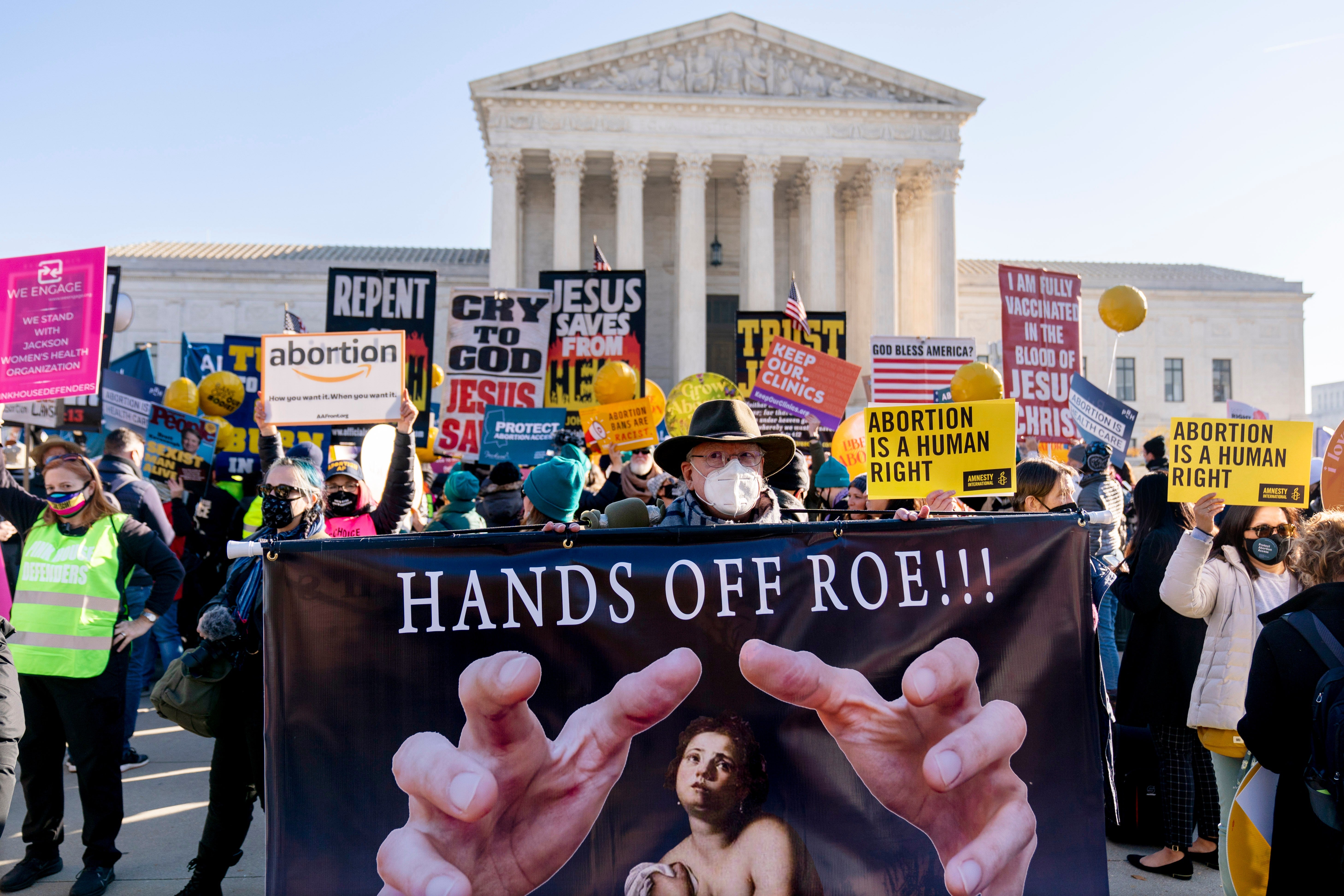 Stephen Parlato of Boulder, Colo., holds a sign that reads "Hands Off Roe!!!" as abortion rights advocates and anti-abortion protesters demonstrate in front of the U.S. Supreme Court (Copyright 2021 The Associated Press. All rights reserved)
independent.co.uk
Stephen Parlato of Boulder, Colo., holds a sign that reads "Hands Off Roe!!!" as abortion rights advocates and anti-abortion protesters demonstrate in front of the U.S. Supreme Court (Copyright 2021 The Associated Press. All rights reserved)
independent.co.uk
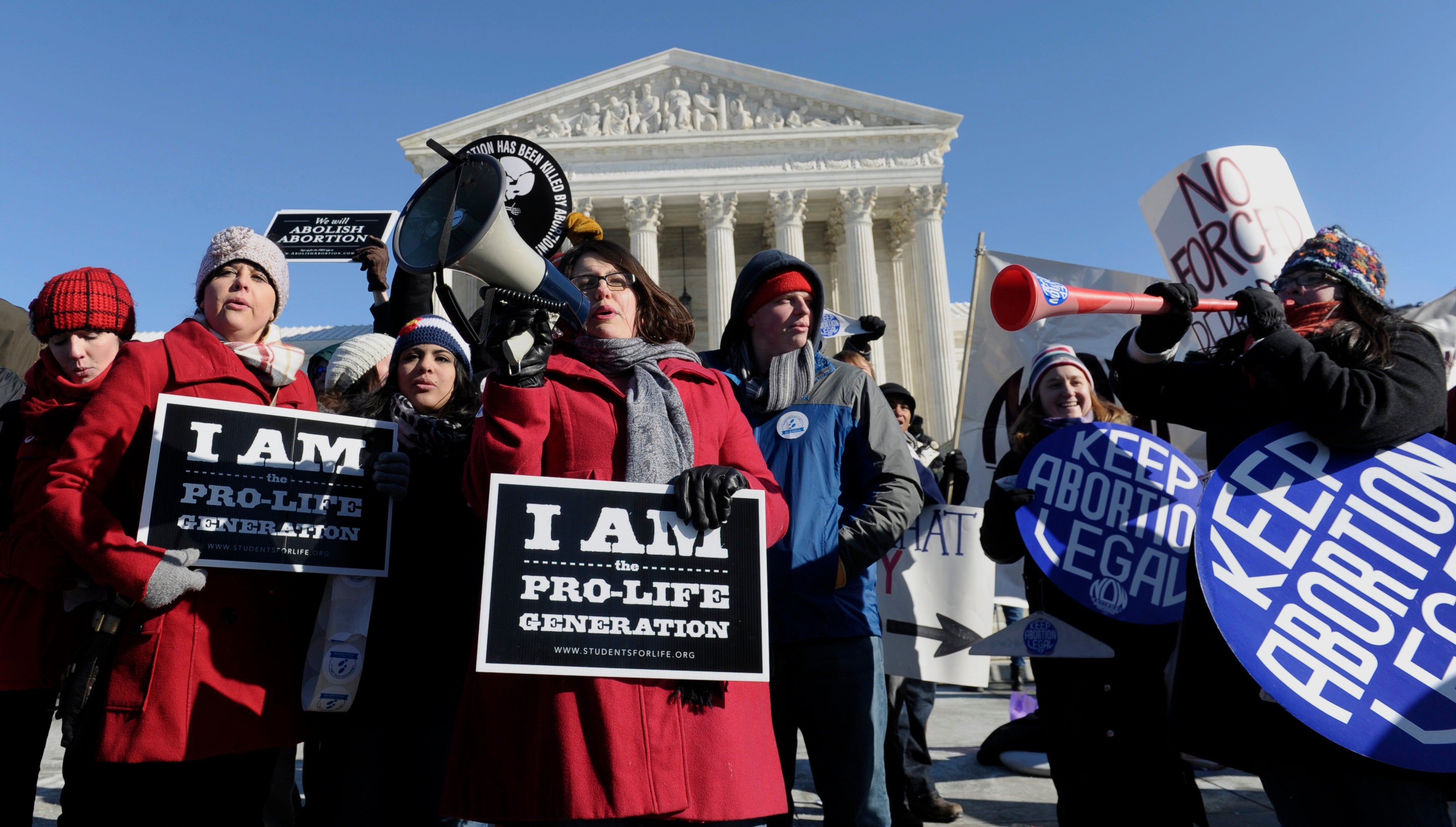 Pro-abortion and anti-abortion protestors rally outside the Supreme Court in Washington (Copyright 2026 The Associated Press. All rights reserved.)
independent.co.uk
Pro-abortion and anti-abortion protestors rally outside the Supreme Court in Washington (Copyright 2026 The Associated Press. All rights reserved.)
independent.co.uk
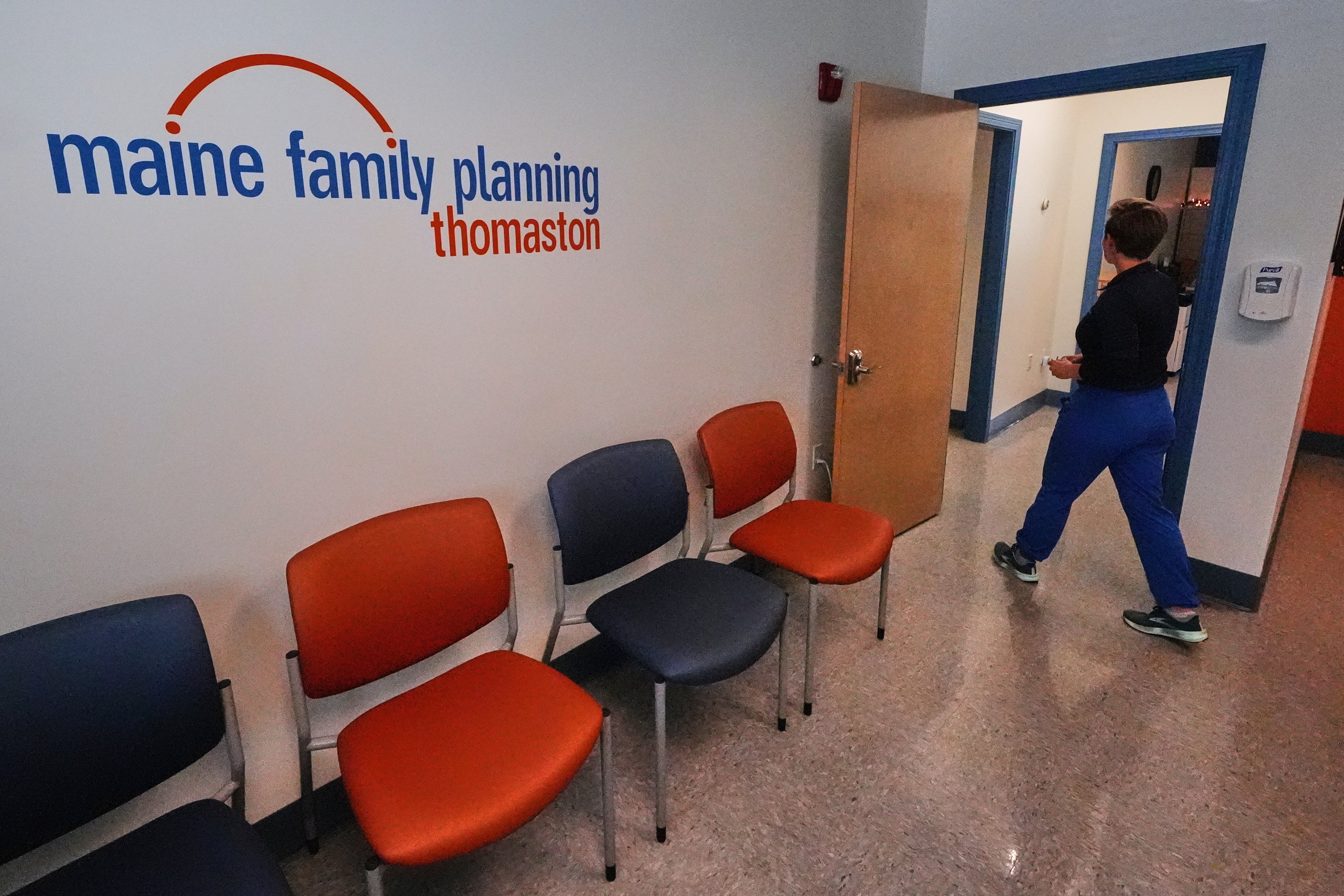 Vanessa Shields-Haas, a nurse practitioner, walks from the lobby toward the examination rooms at the Maine Family Planning healthcare facility (Copyright 2025 The Associated Press. All rights reserved)
independent.co.uk
Vanessa Shields-Haas, a nurse practitioner, walks from the lobby toward the examination rooms at the Maine Family Planning healthcare facility (Copyright 2025 The Associated Press. All rights reserved)
independent.co.uk
 Melinda Gates has donated to clinics such as Health Imperatives in Massachusetts (AFP via Getty Images)
AFP via Getty Images
Melinda Gates has donated to clinics such as Health Imperatives in Massachusetts (AFP via Getty Images)
AFP via Getty Images
 The defunding, which was mandated in President Donald Trump's big tax and policy law last year, has been blamed in the closure of multiple clinics (PA Wire)
PA Wire
The defunding, which was mandated in President Donald Trump's big tax and policy law last year, has been blamed in the closure of multiple clinics (PA Wire)
PA Wire
Medicaid billing resumed this week for Planned Parenthood affiliates and two smaller regional providers, nearly a year after a Trump tax-and-policy law cut them off from federal reimbursements for non-abortion services, according to The Independent. The change took effect on Sunday and follows months in which clinics said they closed locations and scaled back routine care such as breast cancer exams and tests for sexually transmitted infections.
The restoration does not settle the underlying dispute over abortion policy; it simply reopens a payment channel that many clinics had used to finance basic services for low-income patients. Planned Parenthood says nearly 30 of its roughly 600 clinics have shut over the past year, with the funding change cited as a major driver. The organization also reports that, during the cutoff period, affiliates dispensed about a quarter fewer packs of birth control pills and performed roughly a fifth fewer breast cancer exams than the year before. Those are the kinds of services that rarely become national headlines but are often the justification for keeping large clinic networks open in areas where few providers take Medicaid.
The yearlong gap also showed how quickly a federal rule can be blunted—or reinforced—by state budgets. The Independent reports that Massachusetts covered Medicaid reimbursements the federal government stopped for one affected provider, Health Imperatives, and that some form of state coverage occurred in 14 states. That kind of backfill keeps doors open, but it also shifts costs onto state taxpayers and makes access depend on where a patient lives rather than what the federal program promises. In Maine, by contrast, Maine Family Planning closed three primary care clinics serving about 1,000 patients, and a senior executive told the outlet that former patients faced average waits of four to six months to establish care elsewhere, even with help.
Planned Parenthood also describes operational knock-on effects that a reimbursement cutoff can force: affiliates in Wisconsin temporarily halted abortions for about a month before dropping an “essential community provider” designation to resume seeking Medicaid reimbursement, while an Arizona affiliate paused many services for Medicaid-covered patients and is now advertising expanded hours and more telehealth. The Independent notes that the defunding provision was written to apply not only to Planned Parenthood but to any nonprofit family-planning organization offering abortion services and receiving more than $800,000 a year in Medicaid reimbursements—criteria that ultimately captured two other providers as well.
Medicaid billing resumed on Sunday. Nearly 30 clinics had already closed by the time the money started flowing again.