
China test-fires submarine ballistic missile into Pacific
Pacific leaders protest and US condemns, notification dispute becomes the real battleground
Images
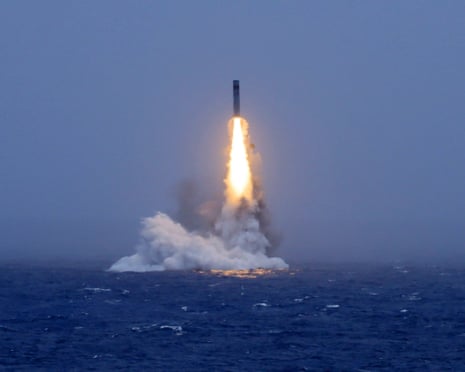 A strategic missile launched by a submarine of the Chinese People's Liberation Army Navy bursting out of the water surface during a test on Monday. Photograph: Xinhua/Shutterstock
theguardian.com
A strategic missile launched by a submarine of the Chinese People's Liberation Army Navy bursting out of the water surface during a test on Monday. Photograph: Xinhua/Shutterstock
theguardian.com
 bnonews.com
 bnonews.com
 bnonews.com
 bnonews.com
 bnonews.com
China has test-fired a submarine-launched ballistic missile into the Pacific carrying a dummy warhead, prompting protests from Pacific leaders and condemnation from the United States. The Guardian reported that Australian Prime Minister Anthony Albanese warned the launch could have caused “considerable damage” if weaponised, while China’s foreign ministry described the test as routine training conducted safely and with advance notification. BNO News, citing U.S. State Department remarks and other reporting, said Washington monitored the launch and urged Beijing to adopt regularised notification arrangements for such tests.
The dispute is partly about the missile and partly about the map. In the Chinese account, the launch was professional, lawful, and not directed at any country; critics argue the issue is insufficient notice and the choice of a theatre where small island states have limited ability to verify what is happening around them. The Guardian said Australian and U.S. officials argued the test did not comply with international law and was conducted with insufficient notice to nearby countries. BNO News cited CNN reporting that the missile flew over the exclusive economic zones of several Pacific states before landing in the southern Pacific Ocean near the maritime boundary of either Kiribati or Tuvalu.
For Pacific governments, the politics are immediate. The Guardian reported Solomon Islands Prime Minister Matthew Wale lodged a protest with China’s ambassador and framed the test as evidence for a new regional security pact, saying Beijing should be a friend “but don’t threaten us.” Albanese made his comments after attending Independence Day celebrations in Honiara and ahead of hosting Pacific leaders in Australia, placing the missile test into a week of regional summitry where security language competes with trade and aid promises.
For Washington, the messaging is strategic and bureaucratic at the same time. BNO News quoted State Department spokesperson Thomas Pigott describing China’s nuclear buildup as “rapid and opaque” and calling for “meaningful arms control discussions,” while also pressing for a predictable notification regime for intercontinental-range ballistic missile and space launches. The effect is to turn a single launch into a compliance argument: not just what China tested, but whether it will accept the same paperwork and signalling constraints that other nuclear powers publicly claim to follow.
China’s navy spokesperson, cited by BNO News, said the missile landed precisely in designated waters and that relevant nations were informed in advance. But the controversy shows how little trust exists in the region’s verification mechanisms: when notice is disputed, the only parties with independent tracking are the same great powers using the incident to frame each other’s intentions.
The missile landed somewhere in the southern Pacific, and the argument since then has been over who was told, when, and by what channel.