
Sri Lanka prison riot kills 26
Negombo facility sees gunshot wounds and dead guards, overcrowding leaves segregation to fail at speed
Images
 Victims with cuts and gunshot injuries were taken from Negombo prison, north of the capital Colombo following overnight fighting between inmates from two drug gangs, police said Photograph: Ishara S Kodikara/AFP/Getty Images
theguardian.com
Victims with cuts and gunshot injuries were taken from Negombo prison, north of the capital Colombo following overnight fighting between inmates from two drug gangs, police said Photograph: Ishara S Kodikara/AFP/Getty Images
theguardian.com
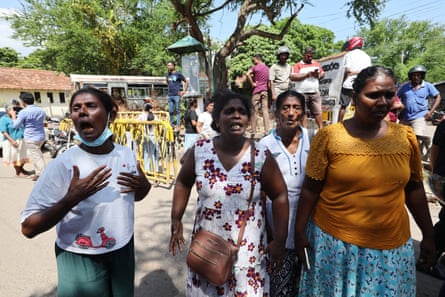 Relatives of people killed in overnight clashes protest as a bus carrying prisoners leaves the Negombo jail. Photograph: EPA
theguardian.com
Relatives of people killed in overnight clashes protest as a bus carrying prisoners leaves the Negombo jail. Photograph: EPA
theguardian.com
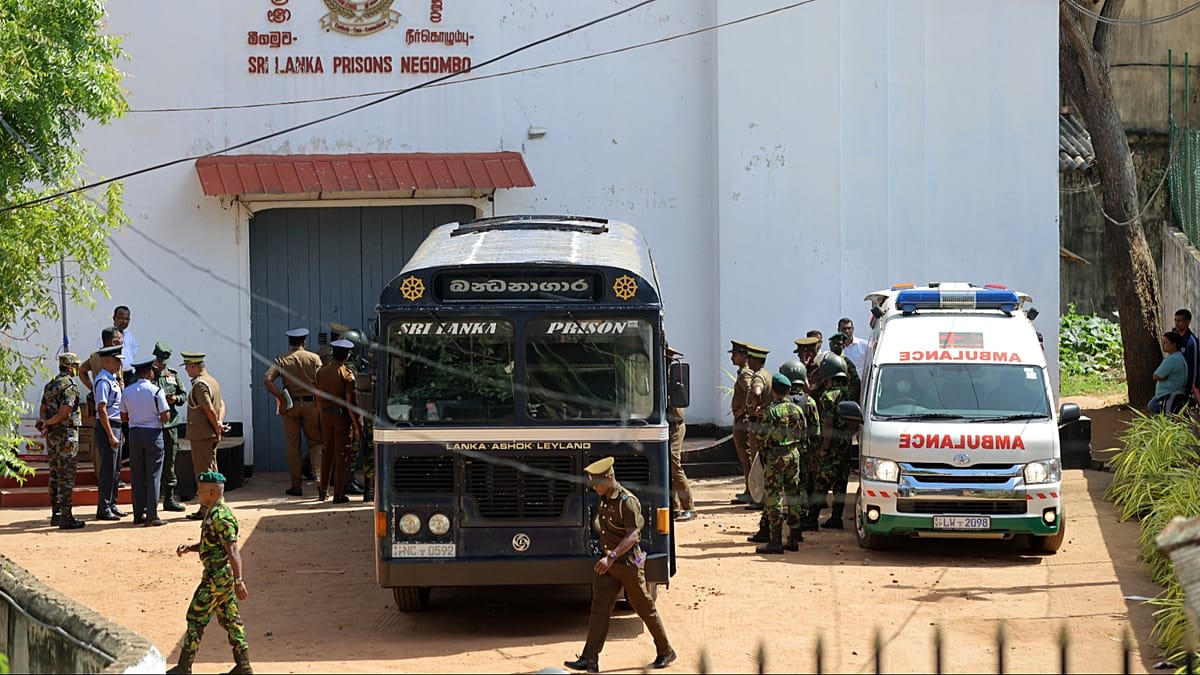 At least 19 killed and more than 100 wounded in Sri Lanka prison riot
euronews.com
At least 19 killed and more than 100 wounded in Sri Lanka prison riot
euronews.com
26 people were killed and more than 100 wounded in a riot at Negombo prison in Sri Lanka, according to The Guardian, citing officials and hospital staff. Among the dead were prison guards, and doctors reported treating inmates and staff for cuts and gunshot injuries at Negombo hospital north of Colombo. Euronews reported an earlier toll but also described more than 100 injured being taken to the same hospital as the fighting spilled from Sunday evening into Monday.
The immediate trigger, officials said, was a clash between inmates from two rival drug gangs. But the scale of the bloodshed points to a deeper problem: a prison system running far beyond its limits, where control depends on thin staffing, improvised segregation, and the hope that routine tensions do not turn into organised violence. The Guardian cited official data showing Sri Lanka’s prisons held 41,250 people as of the day before the riot—about four times intended capacity. In that kind of environment, separating rival groups becomes a logistical puzzle, and any lapse can turn a housing block into a battlefield.
The accounts also suggest how quickly a security failure can compound. Local residents reported hearing gunshots, and authorities deployed drones and a helicopter to monitor the area, an indication that officials were trying to reassert oversight from above as conditions on the ground deteriorated. The Guardian reported that prisoners had seized several guns from guards earlier in the day, and that guards were among those killed while trying to break up the fighting. Euronews reported that police commandos were called but not deployed inside the prison, a detail that underlines the dilemma in such incidents: storming crowded cell blocks can raise the death toll, but staying outside can leave guards and inmates to settle scores with whatever weapons are available.
The unrest spread beyond the rival gangs. The Guardian reported that female inmates in an adjoining section climbed onto a roof and demanded release during the chaos, and that part of the roof collapsed, injuring some of them. Outside the walls, large crowds of prisoners’ relatives gathered, adding pressure for quick answers and raising the risk of panic or confrontation if rumours outpace official information.
Sri Lanka has seen this pattern before. Both outlets referenced a 2020 prison riot that killed prisoners and wounded many more, after which the government released hundreds of inmates from overcrowded jails. This week’s response—authorities setting up a three-member investigation team headed by a retired supreme court justice, according to The Guardian—signals accountability after the fact, while the numbers suggest the system’s daily operating conditions remain the larger variable.
By Monday, drones were circling Negombo prison as families waited outside for news, and hospital staff were still counting bodies brought in from a facility built to hold far fewer people.