
Oxford romantasy bookshop draws dawn queue
Bad Girl Books bets on TikTok-driven romantic fantasy boom, niche community turns genre slang into retail footfall
Images
 ‘Readers need a forum to celebrate these books without reductive messaging’ … Bad Girl Books in Oxford. Photograph: Jill Mead/the Guardian
theguardian.com
‘Readers need a forum to celebrate these books without reductive messaging’ … Bad Girl Books in Oxford. Photograph: Jill Mead/the Guardian
theguardian.com
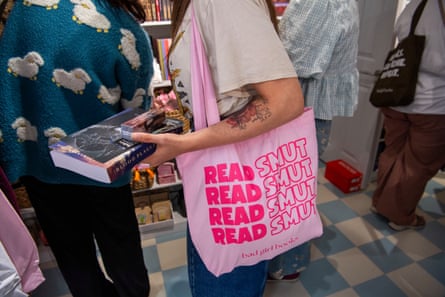 A customer with a tote bag at Bad Girl Books in Oxford. Photograph: Jill Mead/the Guardian
theguardian.com
A customer with a tote bag at Bad Girl Books in Oxford. Photograph: Jill Mead/the Guardian
theguardian.com
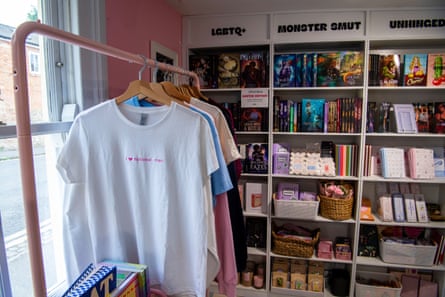 T-shirts for sale at Bad Girl Books. Photograph: Jill Mead/the Guardian
theguardian.com
T-shirts for sale at Bad Girl Books. Photograph: Jill Mead/the Guardian
theguardian.com
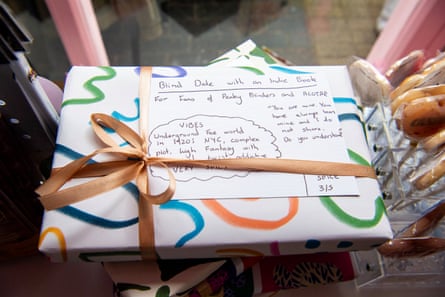 ‘Blind date with an indie book’ at Bad Girl Books. Photograph: Jill Mead/the Guardian
theguardian.com
‘Blind date with an indie book’ at Bad Girl Books. Photograph: Jill Mead/the Guardian
theguardian.com
A queue formed down Walton Street in Oxford before 9am on Saturday for the opening of Bad Girl Books, which The Guardian describes as the UK’s first dedicated “romantasy” bookshop. Some customers arrived before dawn, and the crowd was largely young women carrying tote bags and discussing “morally grey” heroes and “spice levels”. The shop sits in Jericho, a neighbourhood better known in tourist itineraries for Oxford’s older literary associations.
Romantasy—romance blended with fantasy—has moved from online fandom to mainstream publishing revenue, and the shop is built around that shift. The Guardian notes that Sarah J Maas’s A Court of Thorns and Roses franchise has sold more than 75 million copies worldwide, while Rebecca Yarros’s Onyx Storm recorded the biggest opening week for a hardback fiction title in the UK since Harper Lee’s Go Set a Watchman a decade earlier. Those numbers matter to bricks-and-mortar retail: a genre that reliably moves units can justify dedicated shelf space, themed merchandising and events in a way that more diffuse “general fiction” often cannot.
Bad Girl Books’ pitch is not just inventory, but a physical meeting point for a readership that has been organising itself on TikTok and other platforms, with its own shorthand—“enemies-to-lovers”, “fated mates”, “shadow daddies”—and a consumer habit of buying multiple titles a month. One customer, Izzy, told The Guardian she read about 100 romantasy books last year and dozens more so far this year, and that the genre made her enjoy reading after disliking it at school. That kind of volume turns the economics of a small shop: repeat purchases and community identity can be more valuable than one-off tourist sales.
The genre’s rise also reshuffles the cultural geography of fantasy. Traditional fantasy fandoms have often skewed male, while romantasy is marketed and discussed primarily through women protagonists and women’s romantic storylines, with readers publicly comparing explicitness as a feature rather than a taboo. The Guardian reports that only a couple of men were visible in the opening queue, though at least one man, Jono, said he had started reading the books through his girlfriend and enjoyed them. For a retailer, the narrower demographic can be a strength: the store can stock deeply, speak in the genre’s own language, and sell adjacent products—T-shirts and other merchandise—without needing to pretend it is serving everyone.
Bad Girl Books exists because its founder, Starlin Marot, told The Guardian she could not find an offline place that matched what she was already reading and discovering online. On Saturday morning, Oxford’s literary tourism drew a different kind of pilgrim: not for Tolkien or Lewis, but for a subgenre whose readers now show up in person, early, and ready to buy.
By mid-morning, the queue outside a new bookstore in Jericho was still long enough to be a local event. The books people came for were the same ones they had already been recommending to each other on their phones.