
Nato chief demands credible plans for 5% GDP spending target
Ankara summit tests alliance discipline as US signals smaller security role, debt and dual use infrastructure do the quiet work
Images
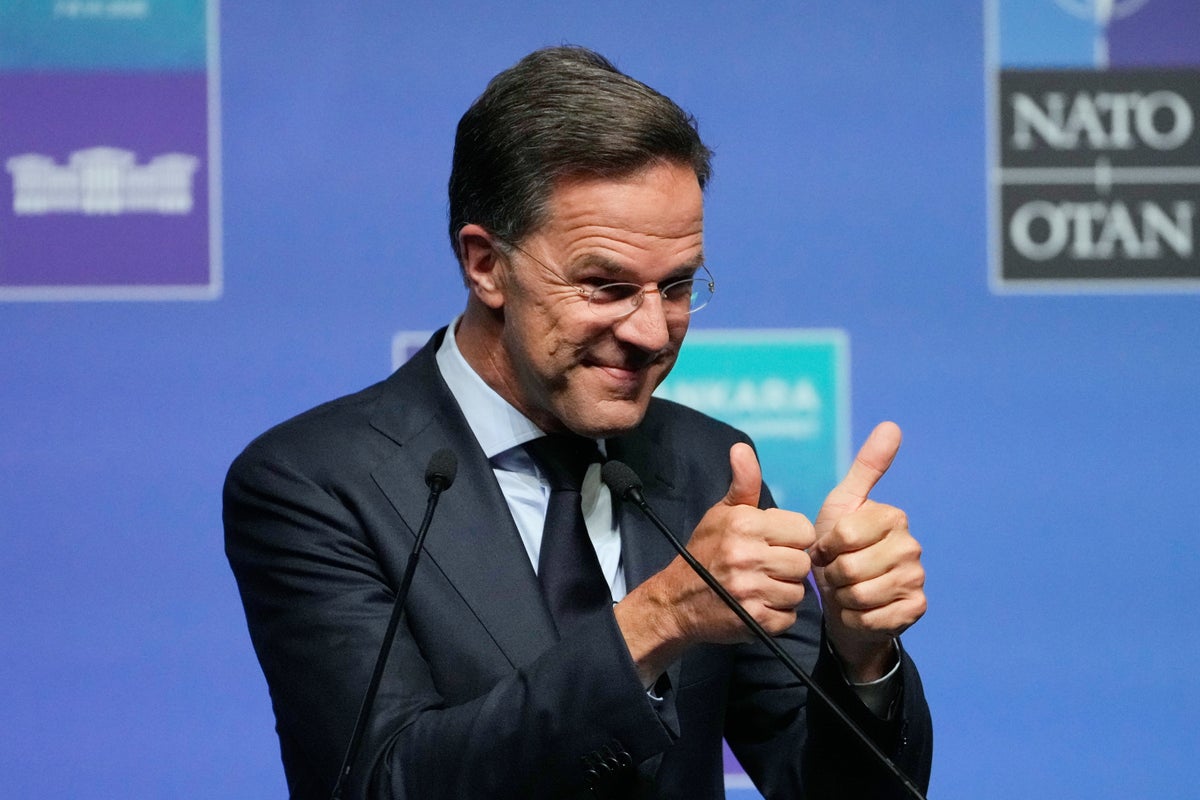 NATO chief demands allies present credible plans to reach defense spending targets
independent.co.uk
NATO chief demands allies present credible plans to reach defense spending targets
independent.co.uk
Nato Secretary-General Mark Rutte on Monday demanded that member states arrive at this week’s summit in Ankara with “clear, concrete and credible” plans to meet the alliance’s new spending targets. According to The Independent, the benchmark agreed last year among Nato’s 32 members is 5% of GDP in “defence-related expenditures”, split into 3.5% for core defence budgets and 1.5% for infrastructure such as roads, bridges and ports.
The headline number is doing several jobs at once. It is a reassurance package for governments that want to show resolve against Russia, and a bargaining chip with a United States that is signalling it will scale down its security role in Europe. It is also a way to convert politically easier spending—transport links and logistics—into something that can be booked under a defence umbrella, even when national budgets are already under strain.
Rutte’s language about “ways to convince one or two members” points to the alliance’s basic enforcement problem: Nato can set targets, but it cannot tax, borrow, or compel parliaments to vote for them. The Independent reports that Spain has endorsed the 5% goal while arguing it can meet Nato security requirements without spending that much, and that some countries are still struggling with the older 2% target. The gap between endorsement and appropriation is where summit communiqués tend to go to die.
Washington’s message is being delivered with fewer pleasantries. The piece cites U.S. ambassador to Nato Matthew Whitaker saying the Trump administration expects all allies to “immediately start moving” toward 5% with urgency, while declining to spell out what measures the U.S. might take against laggards. Trump has previously threatened not to defend members who do not meet spending expectations, and has demanded “loyalty” after some allies declined to allow use of their military bases in the U.S.-Israeli war on Iran.
Nato is planning a “big reveal” of purchases financed by the spending surge, including a project to replace its ageing fleet of surveillance planes, The Independent reports. But the article also notes a structural constraint: Nato itself does not own most weaponry; member states do. Announcements therefore depend on national procurement pipelines, industrial capacity, and domestic politics—variables that do not move at summit speed.
A separate warning is coming from Europe’s own balance sheets. The Independent reports that the European Stability Mechanism said the target is achievable but cautioned that Europe’s defence buildup, largely financed by debt in the short term, is becoming a central fiscal-policy issue for the decade.
In Ankara, the alliance will be asking governments to promise both more tanks and more bridges. The hard part will be writing budgets that survive the next election.