
Dan Jarvis presses Andy Burnham on UK defence spending
Labour pledge aims for Nato 3.5% of GDP after 2030, £298bn plan lands with funding gaps and cancelled infrastructure
Images
 Challenger 3, the British army’s next-generation battle tank, at Tankfest in Bovington, Dorset, last month Photograph: Finnbarr Webster/Getty Images
theguardian.com
Challenger 3, the British army’s next-generation battle tank, at Tankfest in Bovington, Dorset, last month Photograph: Finnbarr Webster/Getty Images
theguardian.com
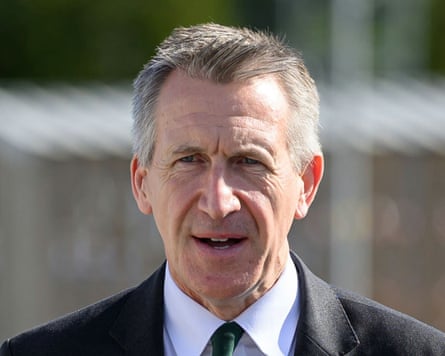 Dan Jarvis became defence secetary last month. Photograph: Leon Neal/PA
theguardian.com
Dan Jarvis became defence secetary last month. Photograph: Leon Neal/PA
theguardian.com
Dan Jarvis has asked Andy Burnham to spell out how a Labour government would reach a Nato defence-spending goal of 3.5% of GDP, according to The Guardian. The new UK defence secretary said the target would require a steep increase after 2030 and pressed Burnham to show a “trajectory” that credibly funds it. The Guardian reports that hitting 3.5% would mean roughly £25bn a year more for the military by the middle of the next decade.
The demand lands after months of internal wrangling produced a four-year defence investment plan that The Guardian says totals £298bn, published last week. Jarvis secured a £1.5bn uplift over the next four years, including money earmarked for drones, but the paper describes the overall effect on the defence budget as negligible. The political argument is moving faster than the cash: Jarvis said he would personally reassure his US counterpart that the UK would honour pledges to Washington and Nato, and he framed the commitment as agreed last year under pressure from Donald Trump.
The arithmetic is where the policy becomes real. The Guardian says the government has already faced backlash after cancelling or cutting capital programmes, including roads and energy projects, to make room for higher defence spending. It also reports a funding gap that would have to be addressed by the Treasury in Burnham’s first budget. In practice, a 3.5% target is not a speech; it is a choice between higher taxes, higher borrowing, or lower spending elsewhere, and The Guardian notes there is limited headroom to raise debt significantly.
Jarvis has linked the spending debate to operational commitments. The Guardian reports Britain is preparing for a sustained deployment to safeguard the Strait of Hormuz in a joint operation with France, contingent on a “sustainable peace agreement” between the US and Iran. It also cites reports that Downing Street has kept Burnham out of detailed planning for that deployment, an awkward detail for a politician described in the piece as “prime minister-in-waiting” but with little background in defence or foreign affairs.
Burnham, a former Greater Manchester mayor and health secretary, told The Guardian he would “fully fund” the investment plan and promised “no compromise” on national security if he became prime minister. Jarvis, for his part, acknowledged the need to persuade both the public and cabinet colleagues.
The Guardian’s account leaves one concrete test: the 3.5% pledge implies a multi-year transfer of resources on the scale of tens of billions annually, while the first visible savings have come from cancelling domestic investment projects that were already on the books.