
EasyJet moves toward Castlelake takeover
US fund offers £5.5bn and promises EU-compliant control structure, workers hear little beyond respect statements
Images
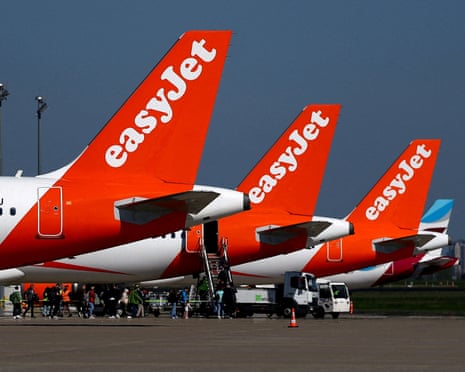 EasyJet had rejected several takeover offers from Castlelake. Photograph: Lisi Niesner/Reuters
theguardian.com
EasyJet had rejected several takeover offers from Castlelake. Photograph: Lisi Niesner/Reuters
theguardian.com
EasyJet said it was “minded to accept” a takeover offer valuing the airline at £5.5bn, according to The Guardian, after weeks of negotiations with the US investment firm Castlelake. The companies announced an in-principle agreement on Sunday evening and asked for more time to complete the deal formally. The price discussed was £6.90 a share, a premium to where the stock closed the previous Friday.
The bid lands on a company that has spent the past few years absorbing shocks it cannot price in advance: pandemic-era demand collapses followed by fuel volatility tied, most recently, to the US-Israeli war on Iran, which The Guardian reports hit bookings in March. In that environment, a cash offer can look less like a verdict on long-term value than a way out of macro uncertainty for shareholders. It can also look like a bargain hunt from abroad: Castlelake is based in Minneapolis and specialises in asset-based lending, including leasing aircraft—an overlap that makes EasyJet’s fleet as interesting as its ticket sales.
But airlines are not just businesses; they are licences, slots, and regulatory permissions. EasyJet operates across Europe and is constrained by EU ownership rules that require European control for an airline to keep its operating rights. Castlelake has indicated it would set up a European holding company controlled by EU nationals to comply, and The Guardian notes that directors named in earlier bids included industry veterans with European backgrounds. The structure matters because it determines who ultimately makes the decisions when margins tighten: whether the airline is run to maximise route network resilience, or to optimise the balance sheet around aircraft ownership, leasing and potential asset sales.
The immediate winners are clear. The Guardian reports the deal could be worth nearly £800m for founder Stelios Haji-Ioannou, who owns more than 15% of EasyJet along with his family. Other shareholders who pushed the board for a higher price after earlier rejected offers would also crystallise gains at a level the stock has not consistently held since the early pandemic period. The harder questions sit with the people who cannot sell: EasyJet employs 19,000 staff, and the companies did not disclose plans for workers. Castlelake said it had “tremendous respect” for EasyJet and intended to support growth and fleet modernisation, but private equity ownership typically expresses itself through financing terms and timelines rather than route maps and uniforms.
The transaction also fits a broader pattern of American capital testing the seams of European infrastructure rules. Airlines, like utilities and ports, are businesses where regulatory compliance creates scarcity—and scarcity supports predictable cashflows that can be packaged into debt. When the same investor both finances aircraft and owns the airline that uses them, internal transfer pricing becomes as important as passenger demand.
EasyJet is headquartered at Luton airport and flies from 164 airports in 38 countries, The Guardian reports. The deal’s success may hinge less on holiday bookings than on whether a US buyer can satisfy European ownership tests while extracting value from an airline whose most expensive input—fuel—remains hostage to events far from the check-in desk.