
Archaeologists uncover Byzantine-era settlement in Egypt’s Dakhla oasis
Ministry highlights church streets and ostraca records, tourism pitch rides on catalogued daily life
Images
 The city in the Dakhla oasis of what is now Egypt’s New Valley governate shows life when the country was part of the Byzantine empire. Photograph: Ministry of Tourism and Antiquities
theguardian.com
The city in the Dakhla oasis of what is now Egypt’s New Valley governate shows life when the country was part of the Byzantine empire. Photograph: Ministry of Tourism and Antiquities
theguardian.com
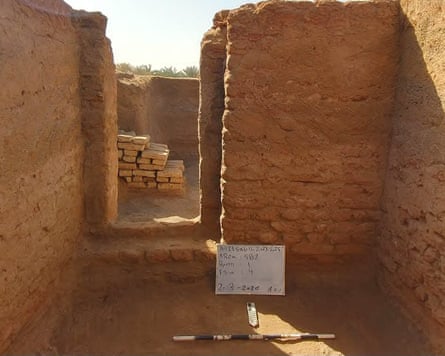 Doorways through the archaeological site in Dakhla. Photograph: Ministry of Tourism and Antiquities
theguardian.com
Doorways through the archaeological site in Dakhla. Photograph: Ministry of Tourism and Antiquities
theguardian.com
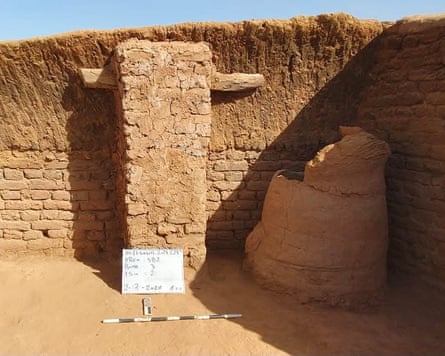 Archaeologists also uncovered bread ovens, kitchens, stone grinding tools and bronze coins. Photograph: Ministry of Tourism and Antiquities
theguardian.com
Archaeologists also uncovered bread ovens, kitchens, stone grinding tools and bronze coins. Photograph: Ministry of Tourism and Antiquities
theguardian.com
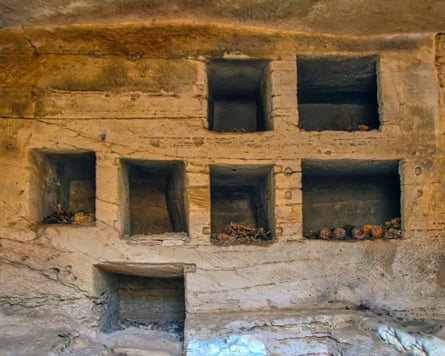 The seven surface limestone-built tombs discovered in the Marina el-Alamein site west of Alexandria. Photograph: Ministery of Tourism and Antiquities/AP
theguardian.com
The seven surface limestone-built tombs discovered in the Marina el-Alamein site west of Alexandria. Photograph: Ministery of Tourism and Antiquities/AP
theguardian.com
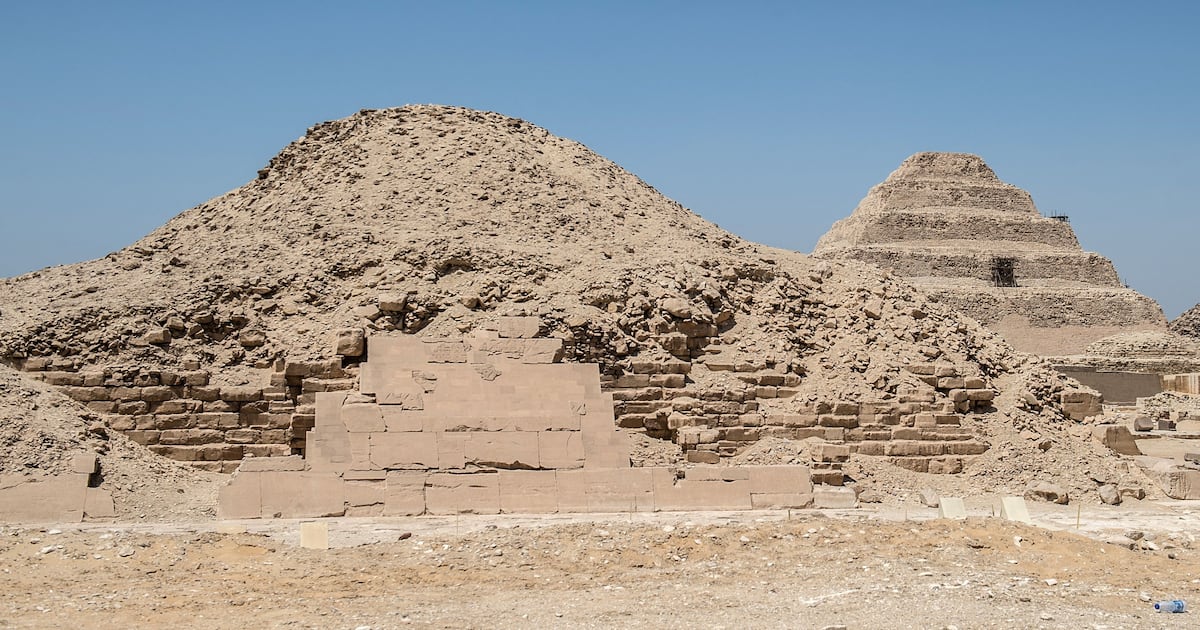 Egypt Unearths Lost City Hidden for 1,600 Years
thedailybeast.com
Egypt Unearths Lost City Hidden for 1,600 Years
thedailybeast.com
Archaeologists have uncovered a Byzantine-era settlement in Egypt’s western desert, with excavated quarters dated to the fourth century and a basilica-style church overlooking the site’s main streets. According to The Guardian, the discovery in the Dakhla oasis includes residential buildings, watchtowers, ovens and kitchens, along with coins, pottery fragments and tools. Egypt’s tourism and antiquities ministry presented the find as a window into daily life and economic activity during late antiquity.
The layout described by officials reads like a small, planned town rather than an isolated outpost: north–south thoroughfares intersected by east–west streets, open squares, and a fortified structure with thick defensive walls. Finds of ostraca—pottery shards used as writing surfaces—are particularly revealing because they document transactions and correspondence, turning a set of walls into an economy with named goods, obligations and disputes. Coins bearing portraits of emperors and Christian symbols place the settlement inside an imperial monetary system and a religious order that was expanding through administration as much as through preaching.
The same announcement cycle included another excavation at Marina el-Alamein near Alexandria, where archaeologists reported additional tombs and burial objects, including pottery and a granite sarcophagus. Taken together, the two sites show how Egypt’s antiquities work is increasingly bundled: one press release can offer both a story of urban life in the desert and a story of sealed burials on the Mediterranean coast. That packaging is not accidental. Tourism is a major source of income for Egypt, and high-profile discoveries provide a rare product that does not require new factories, only security, excavation budgets and a functioning permitting system.
There is also a quieter institutional logic. Excavations create assets that need guarding, cataloguing and, eventually, display—tasks that expand the state’s role even when the immediate goal is revenue. A well-preserved settlement with inscriptions and coins invites further seasons of work, more storage, and more decisions about what is kept in situ and what is moved. The ministry’s own description of the Dakhla find—daily life, urban development, economic activities—signals that the story being sold is not just treasure, but governance: who lived there, how they organised space, and how they paid.
At Dakhla, the basilica still anchors the site’s main street grid, while the ostraca and coin hoards supply the paperwork and small change that once made the town run.