
Ana Brnabić rejects little Russians label
Former Serbian prime minister cites over 60 million euros in aid to Ukraine, EU accession remains stuck behind electoral reform conditions
Images
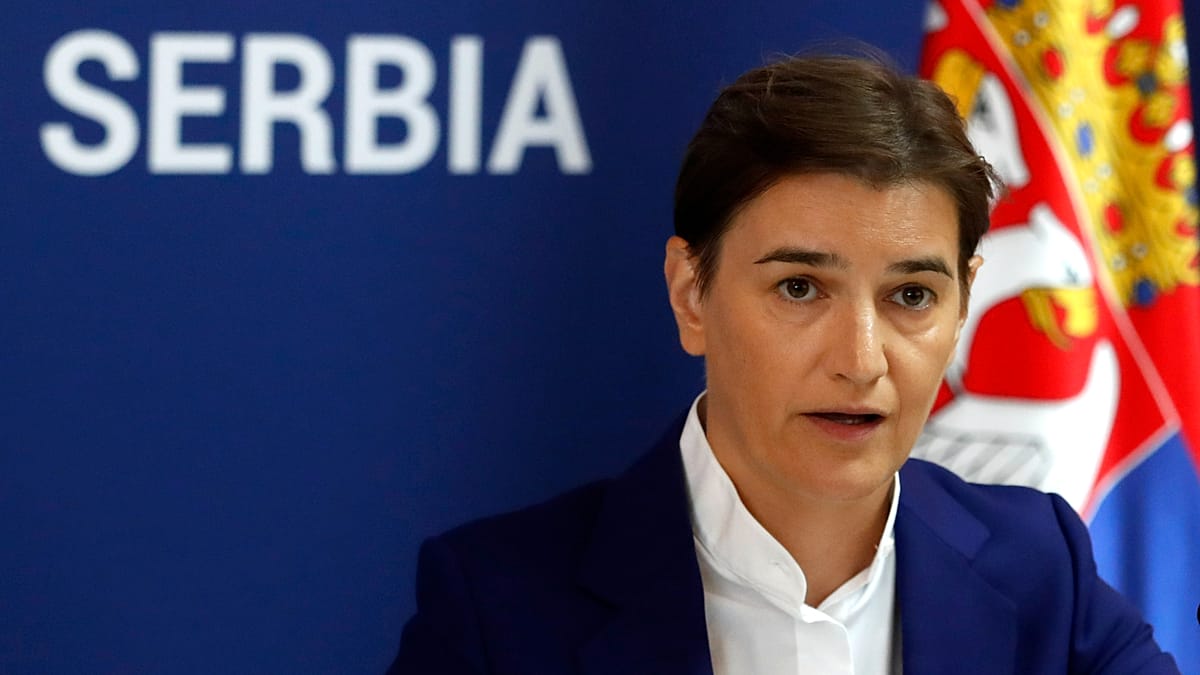 Serbs are not 'little Russians', says former PM Ana Brnabić
euronews.com
Serbs are not 'little Russians', says former PM Ana Brnabić
euronews.com
Ana Brnabić used a Brussels conference on Serbia’s EXPO 2027 preparations to push back on a label that follows Belgrade through every Ukraine debate: “Serbs are not little Russians,” she told Euronews. She pointed to more than €60 million in Serbian aid to Ukraine since Russia’s February 2022 invasion, delivered as financial and humanitarian support rather than weapons.
According to Euronews, Brnabić said Serbia sent electrical equipment, generators and spare parts during Ukraine’s winter shortages, including items drawn from Serbia’s own reserves when they could not be bought on the market. She described regular communication between President Aleksandar Vučić and President Volodymyr Zelenskyy, and said she also keeps in touch with Ruslan Stefanchuk, speaker of Ukraine’s parliament. The message is aimed less at Kyiv than at European capitals that treat Serbia as Moscow’s outpost in the Balkans: Serbia wants credit for the parts of its policy that align with the EU, without paying the domestic price of breaking with Russia.
The balancing act is not cost-free. Brnabić noted that Russia has criticised Serbia for voting at the United Nations to condemn Russian aggression and for providing aid to Ukraine, a reminder that even limited alignment carries consequences when a larger power expects loyalty. At the same time, she complained about what she called double standards in Serbia’s EU accession process, citing electoral reforms recommended by the OSCE’s ODIHR. Serbia, she said, has been technically ready since 2021 to open a new negotiating cluster, but has been told it must implement all ODIHR recommendations first.
That sequencing matters because it turns EU membership from a geopolitical choice into a compliance project with moving gates. Serbia is asked to demonstrate institutional reforms at home while it tries to keep trade, energy ties and political room to manoeuvre abroad. The Brussels event itself underlined the transactional nature of the relationship: EXPO 2027 is pitched as a showcase, with 140 countries already signed up, while accession talks remain stalled over conditions that can be expanded faster than they can be met.
Brnabić’s argument ultimately rests on a simple test she proposed: ask Ukraine how it views Serbia’s actions. For now, the evidence she offered is that Belgrade can transfer cash and generators to Kyiv while still needing to explain itself to both Moscow and Brussels.
Serbia says it has been ready to open the next EU accession cluster since 2021. In 2026, its former prime minister is still in Brussels trying to convince Europeans that the country’s policy should be judged by what it sends, not by what it is assumed to be.