
Norfolk Island corals face disease and dredging pressure
Researchers report sharp rise in white syndrome as El Niño warming approaches, many reef species may still be undescribed
Images
 Norfolk Island has corals found nowhere else which could be rapidly lost ‘and we won’t get them back,’ Prof Bill Leggat says. Photograph: Tom Bridge
theguardian.com
Norfolk Island has corals found nowhere else which could be rapidly lost ‘and we won’t get them back,’ Prof Bill Leggat says. Photograph: Tom Bridge
theguardian.com
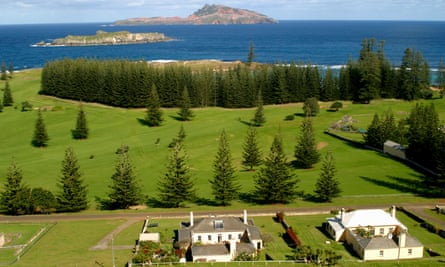 According to researchers, runoff from Norfolk Island is damaging coral reefs. Photograph: Tony Miller/Alamy
theguardian.com
According to researchers, runoff from Norfolk Island is damaging coral reefs. Photograph: Tony Miller/Alamy
theguardian.com
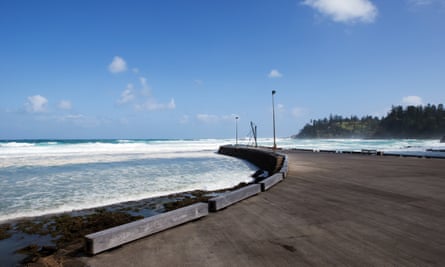 Kingston Pier is one of only two piers on Norfolk Island. Photograph: Zach Sanders/The Guardian
theguardian.com
Kingston Pier is one of only two piers on Norfolk Island. Photograph: Zach Sanders/The Guardian
theguardian.com
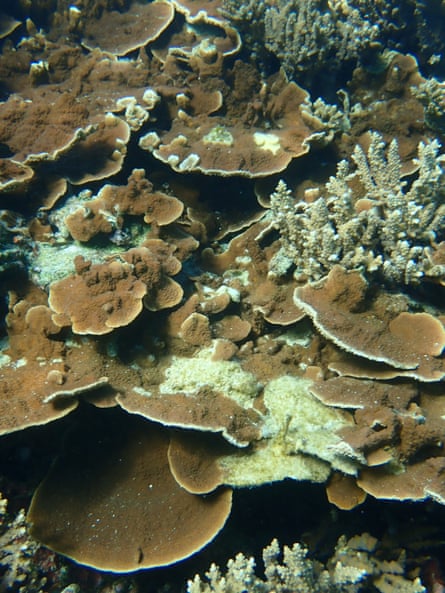 A montipora coral with white syndrome in waters off Norfolk Island. Photograph: Roisin Hayden
theguardian.com
A montipora coral with white syndrome in waters off Norfolk Island. Photograph: Roisin Hayden
theguardian.com
Norfolk Island’s coral reefs have seen a three-fold increase in diseased corals since March during one of the longest-running coral disease events recorded on Australian reefs, according to The Guardian. Researchers monitoring the reefs say water quality problems—sediment and pollution washing into lagoons—are feeding outbreaks of disease and algae. The same report says the Australian federal government has approved dredging work intended to improve access to Kingston Pier, a key arrival point for supplies and tourists.
The reefs sit in three adjoining bays and include corals described as unique to the island, with many species likely not formally described by science. Prof Bill Leggat of the University of Newcastle, who has monitored the reefs for five years, told The Guardian that the loss could be rapid and not recoverable. Prof Tracy Ainsworth of the University of New South Wales is also part of the monitoring team.
The disease pressure is tied to land-based runoff. The Guardian reports that cattle farming, cleared land and wastewater have been blamed for coral disease and algae outbreaks, and that CSIRO water monitoring points to pollution sources including cattle manure, septic systems and fertiliser. Heavy rain can push that mix into lagoons, and the added nutrients create conditions in which disease spreads more easily.
On top of local water quality, the island is heading into a summer shaped by a developing El Niño, which raises the risk of elevated sea temperatures and coral bleaching. The Guardian describes “white syndrome” as beginning with a white spot that expands, killing coral flesh and leaving a white skeleton. Over the past five years, 30% to 50% of corals have shown symptoms of disease, the newspaper reports.
The dredging plan adds a direct mechanical stressor to an already stressed system. The Guardian says environmental approvals were granted in April 2025 for a channel to be dredged to improve access to Kingston Pier, and that work could start later in 2025. Dredging near reefs can increase sediment in the water column, and the reporting frames the project as a trade-off between infrastructure reliability and ecological risk.
Norfolk Island’s economy depends heavily on tourism, and the pier is one of only two on the island, making access more than a convenience. The island’s population is reported as about 2,200, while tens of thousands of tourists visit each year. For residents such as Neil Tavener, a lifelong islander who swims over the corals most days, the reefs are part of daily life as well as the island’s draw.
The monitoring teams are still documenting what is dying and what survives. The Guardian’s account suggests that, for many of the corals in these bays, science may end up naming them after they are already gone.