
Iran confirms US warning about alleged Israeli plot against negotiators
Reports describe Islamabad talks as a moving security operation, ceasefire diplomacy depends on who can restrain allies
Images
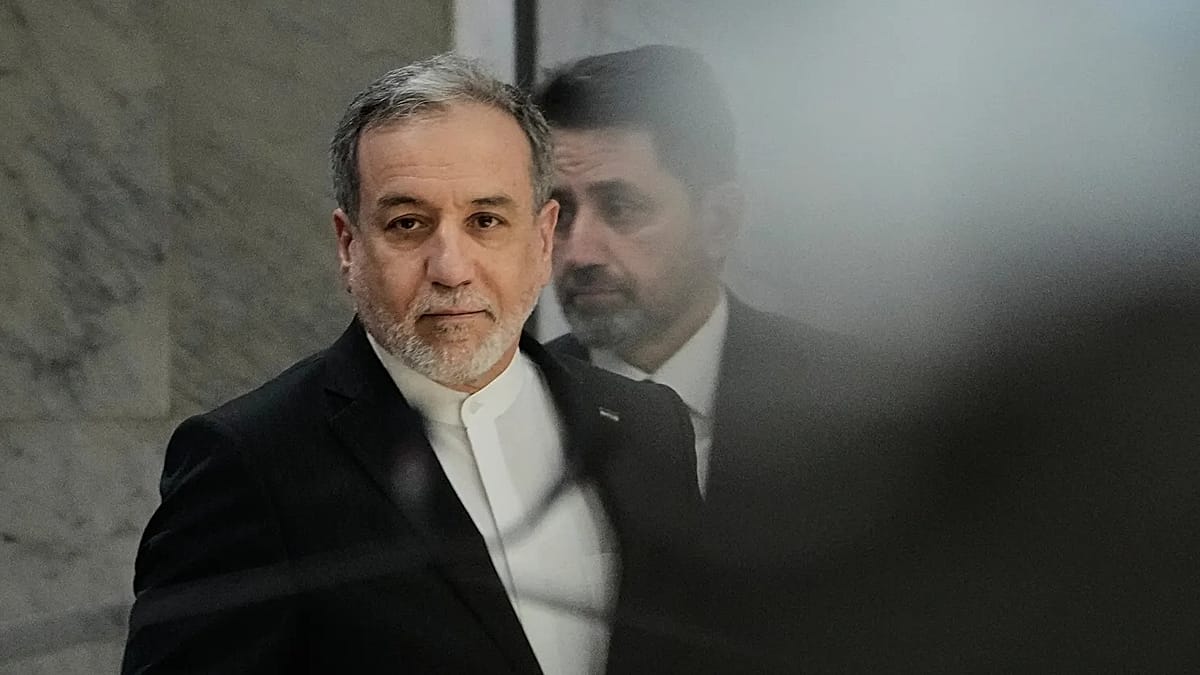 Iran FM confirms reports Israel planned to target Tehran's negotiators
euronews.com
Iran FM confirms reports Israel planned to target Tehran's negotiators
euronews.com
Iran’s foreign minister Abbas Araghchi has confirmed US media reports that Washington warned Tehran that Israel might target Iran’s chief negotiators during April talks in Islamabad, according to Euronews. The New York Times and The Washington Post reported that US concern about threats to Araghchi and parliament speaker Mohammad Bagher Ghalibaf rose during those negotiations, and that the message was passed via regional allies because the US and Iran lack formal diplomatic relations.
The warning sits awkwardly alongside the role Washington has taken in trying to turn a battlefield pause into a durable agreement. Euronews reports that the April talks helped produce a framework deal signed on June 17 between Iran and the US to halt their war, and that the sides are now in a 60-day extended ceasefire to negotiate a final settlement. The talks were mediated in part by US Vice President JD Vance. If a mediator is simultaneously warning one party that the other side’s ally may be considering assassinating negotiators, the process becomes less a conference table than a moving security operation.
Euronews says Iran took extraordinary protective measures around the talks. When Ghalibaf travelled to Islamabad to meet Vance, Pakistani fighter jets escorted the Iranian delegation’s aircraft from the Iranian border to Islamabad and back. On the return flight, the Iranian aircraft made an emergency landing in Mashhad amid what Euronews describes as an Israeli military threat, after which the delegation continued to Tehran by car.
The reporting also underlines how diplomacy in this conflict is entangled with targeting campaigns. The Wall Street Journal previously reported that Israel may have placed Araghchi and Ghalibaf on a target list during a broader series of strikes against senior Iranian officials, and later temporarily removed them, Euronews writes. Neither the US nor Israeli governments have directly addressed the assassination-plot allegations, leaving Iran to publicly confirm the warning while the parties most able to clarify it stay silent.
The war itself began on February 28 with US-Israeli strikes on Tehran that killed Ayatollah Ali Khamenei and several senior officials, Euronews reports. Against that backdrop, a ceasefire extension is a narrow corridor: negotiators can move, but only under escort, and only if would-be spoilers calculate that killing the messenger is worth more than signing the message.
Araghchi told Iranian state television that he travelled to Pakistan despite the threat. The ceasefire clock continues to run either way.