
Labour braces for uncontested Burnham leadership
Party plans online Q&As instead of hustings, unions seek leverage through rule tweaks before conference vote
Images
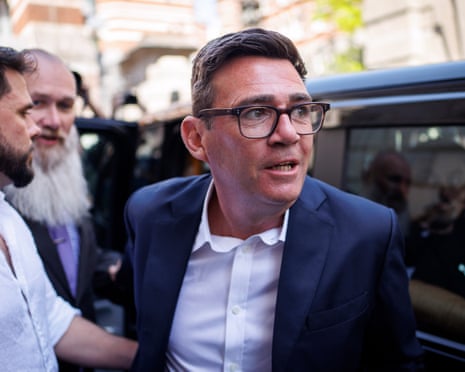 Andy Burnham, the new MP for Makerfield, is expected to become Labour leader on 17 July, if there are no other candidates in the contest. Photograph: Tolga Akmen/EPA
theguardian.com
Andy Burnham, the new MP for Makerfield, is expected to become Labour leader on 17 July, if there are no other candidates in the contest. Photograph: Tolga Akmen/EPA
theguardian.com
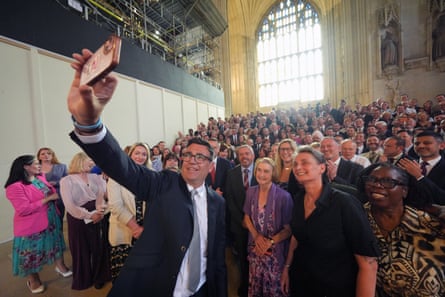 Burnham taking a selfie with colleagues from the parliamentary Labour party in Westminster Hall at the Houses of Parliament. Photograph: Yui Mok/PA
theguardian.com
Burnham taking a selfie with colleagues from the parliamentary Labour party in Westminster Hall at the Houses of Parliament. Photograph: Yui Mok/PA
theguardian.com
Labour officials are preparing for a leadership handover that may happen without a contest, with Andy Burnham expected to be confirmed at a special conference on 17 July if no challenger reaches the nomination threshold, according to the Guardian. The party is discussing online Q&A sessions to stand in for hustings, after internal warnings that members could be angered by what some MPs describe as a “coronation” process.
The mechanics matter because Labour’s leadership rules turn a parliamentary arithmetic test into a membership legitimacy problem. Under the Guardian’s account, Burnham is expected to draw backing from hundreds of MPs and ministers, while any challenger would need to clear a high bar of MP nominations within a short window. That design concentrates decision power in Westminster at the moment when party activists are being asked to accept a fait accompli and then help sell it to the electorate.
The party’s own contingency planning reflects that tension. The Guardian reports that Labour considered hiring Everton FC’s stadium to announce Burnham before nominations even opened, a plan that some inside the party worried would look presumptive. The replacement offer—online sessions after the fact—signals a hierarchy of priorities: speed and message discipline first, internal consent later.
Trade unions, which supply money and organisational muscle, appear to be treated as a separate constituency needing its own reassurance. The Guardian says the rulebook was tweaked so unions can formally express support or withhold it during the nomination week starting 9 July, and that some union leaders plan to question Burnham on issues including oil and gas licences and care worker visas. That is a reminder that Labour’s coalition is not just MPs and members, but institutions with their own bargaining leverage, exercised through endorsements and funding rather than ballots.
The backdrop is a party still managing the costs of abrupt leadership change. Constituency representatives cited by the Guardian describe member anger over Keir Starmer’s departure and a familiar pattern of internal factional clearing-out when a new leader takes over. Even MPs sympathetic to Burnham are described as hearing criticism in local meetings, with frustration coming from multiple wings of the party.
Burnham is expected to become prime minister days after the leadership conference, the Guardian reports. Labour is now designing the transition so that the public sees a seamless changeover while the party’s own arguments are handled in webinars.