
Bomb kills five in central Damascus
Cafe near Palace of Justice hit as Syria assembles first post-Assad parliament, lawmaking timeline collides with street-level insecurity
Images
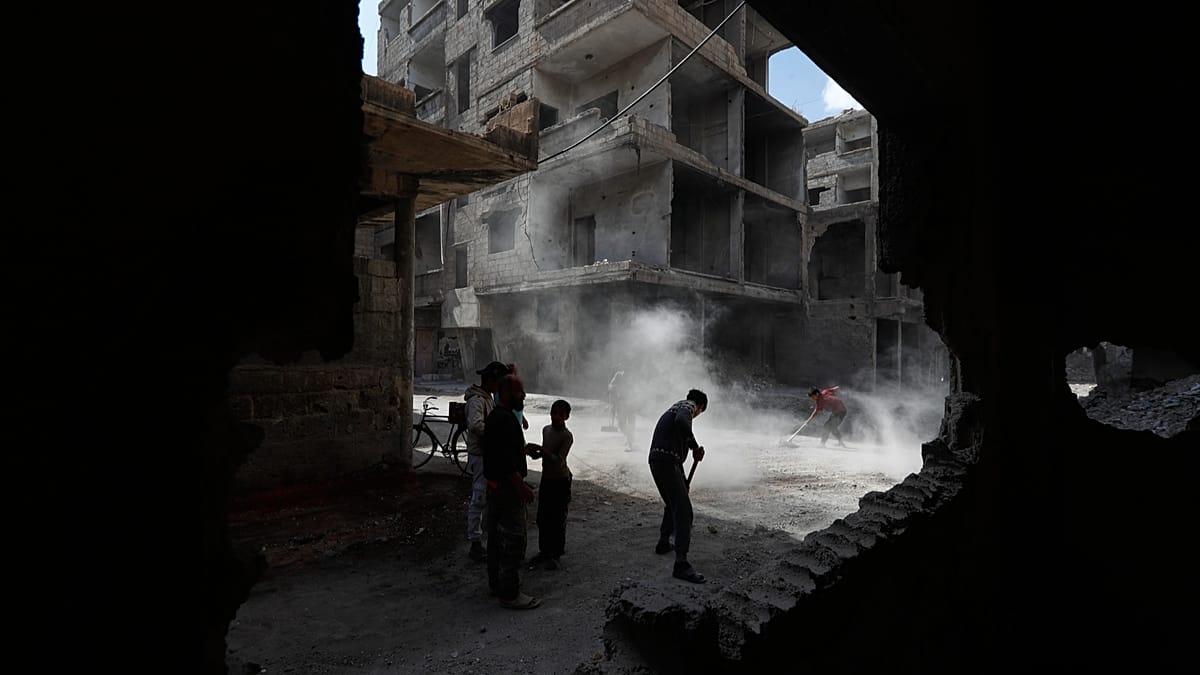 Damascus explosion caused by bomb, Syrian state TV says
euronews.com
Damascus explosion caused by bomb, Syrian state TV says
euronews.com
A bomb exploded in a cafe near Damascus’s Palace of Justice on Thursday, killing at least five people, according to Syrian state television and the health ministry as cited by Euronews. The blast hit central Damascus a day after Syria’s interim authorities announced new appointments to a parliament that is due to hold its first meeting on Monday.
The attack lands in a capital that has spent years trying to project normality through checkpoints, intelligence services and tightly controlled public space. A cafe near a major judicial building is not a random address: it is a place where police presence is expected, where surveillance is assumed, and where the state’s claim to order is meant to be visible. When an explosive device is planted there, the message is less about the immediate casualties than about the limits of that everyday control.
The timing also collides with an attempt to move from wartime administration to something resembling routine governance. Euronews reports that interim President Ahmad al-Sharaa named 70 legislators on Wednesday, who will join 140 selected through elections over the past eight months, for a 210-member chamber. The electoral committee head, Mohammed Taha al-Ahmad, said the parliament’s first session will include members being sworn in. On paper, the sequence is familiar: appointments, swearing-in, drafting laws. In practice, the security environment determines what any legislature can do, and how much of the country it can credibly speak for.
Syria’s post-Assad transition is being built while armed actors still have incentives to demonstrate relevance. A planted bomb is cheap compared with maintaining territory, and it forces the authorities to respond in ways that drain attention and resources: more checkpoints, more raids, more detentions, more restrictions on public life. Those measures can harden the very grievances a new parliament is supposed to manage, while also giving officials a ready justification to keep power centralized and opaque.
Euronews notes the wider backdrop of a civil war that killed about half a million people and decades of autocratic rule under the al-Assad family. In that setting, even limited political representation becomes a security problem: any opening creates new targets, new rivals, and new reasons for spoilers to act. The interim authorities can announce female representation—Euronews says 15 of the 70 newly named legislators are women, taking the total to 22—but the ability to meet, travel, and legislate still depends on whether the state can keep a cafe near its own courts from being bombed.
The explosion took place in a cafe near the Palace of Justice. The new parliament is scheduled to convene on Monday.