
German prosecutors charge suspect over Nord Stream sabotage
Ukrainian national named in 2022 pipeline blasts case, courtroom timeline replaces diplomatic clarity
Images
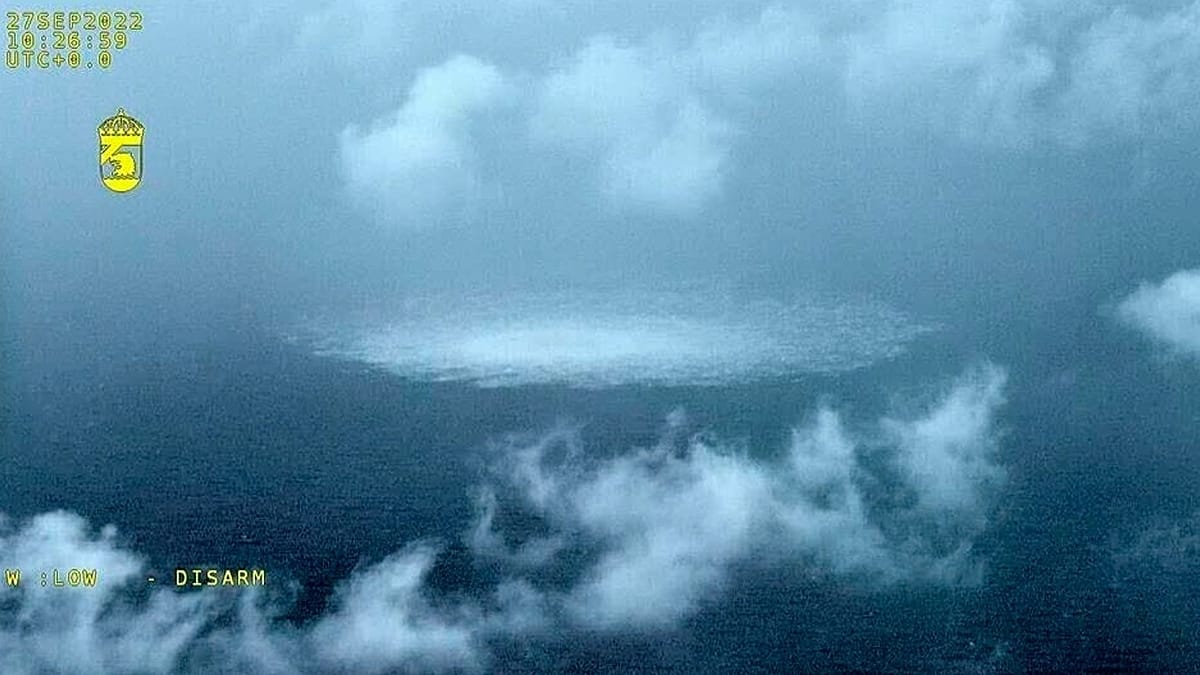 Man charged with sabotage of Nord Stream gas pipeline in German court
euronews.com
Man charged with sabotage of Nord Stream gas pipeline in German court
euronews.com
Germany’s federal prosecutors have filed sabotage charges over the 2022 Nord Stream explosions, naming a Ukrainian national whom German media identify as the alleged leader of the team behind the operation.
According to Euronews, prosecutors say the suspect is charged with attacks on civilian energy infrastructure, causing an explosives detonation, and demolition of built structures. The man was arrested in Italy and later extradited to Germany, where he remains in detention ahead of trial. Investigators believe he was in command on the yacht allegedly used to reach the pipeline area, and prosecutors cited what the outlet describes as strong evidence, including phone calls made while he was in custody.
The charging decision lands in a Europe that has spent the past four years trying to price and insure energy security that used to be treated as plumbing. Nord Stream was built to move Russian gas directly to Germany under the Baltic Sea, bypassing transit states and turning long-term supply contracts into a political relationship. When the pipelines were damaged, the immediate question was physical—who could do it without being detected—but the longer-running question was financial: who would bear the cost of replacing a route that had been designed to make gas cheap, predictable, and hard to interrupt.
The case also underlines how much of Europe’s strategic reality now runs through courts rather than cabinets. A criminal file can name a suspect, describe methods, and establish a timeline, but it does not settle the state-level issues that shadow the Nord Stream story: which governments knew what, what warnings were shared, and what was considered an acceptable target in a war that has repeatedly spilled into infrastructure and logistics. Russia has accused the United States of staging the explosions, an allegation Washington has denied. Separately, reporting previously cited by Euronews, including a Wall Street Journal account, has described internal Ukrainian debates over the operation, including claims about who authorised it and whether an order to stop it was followed.
Nord Stream 2 never entered service after Germany suspended certification shortly before Russia’s full-scale invasion of Ukraine. Nord Stream 1 had already become politically toxic by the time Russia cut off supplies in 2022. Yet the physical damage turned an argument about dependency into an engineering constraint: new terminals, new shipping contracts, new pipeline interconnectors, and higher risk premiums embedded into household bills and industrial planning.
Prosecutors are now putting one alleged organiser in the dock. The ruptured pipes remain on the seabed, and Europe’s energy system continues to be rebuilt around their absence.