
Russia closes railway border crossings with Finland Estonia and Latvia
Kremlin order gives no reason and halts rail movement at named checkpoints, regional trade links become discretionary
Images
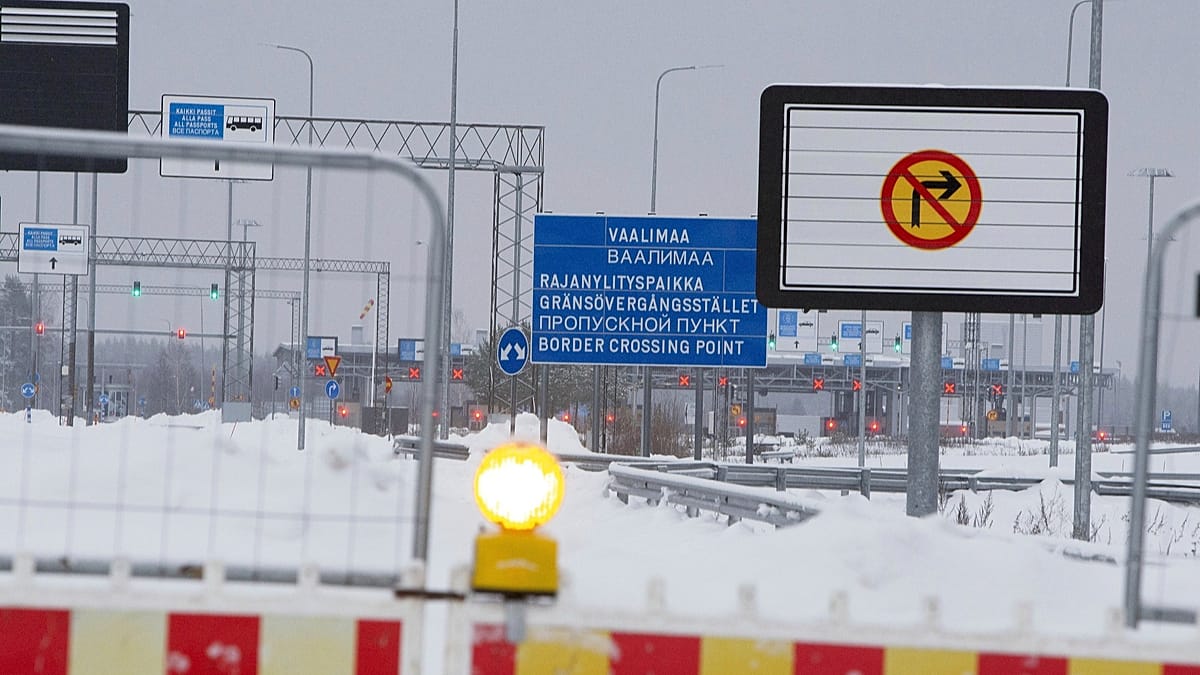 Russia closes railway borders with Finland, Estonia and Latvia
euronews.com
Russia closes railway borders with Finland, Estonia and Latvia
euronews.com
Russia has ordered the temporary closure of several railway border checkpoints with Finland, Estonia and Latvia, according to Euronews, with the suspension due to take effect from Wednesday. The Kremlin decree, released on Tuesday, gives no reason and instructs the Foreign Ministry to notify the three countries. The measure covers selected rail crossings used for the movement of people, vehicles and cargo.
Most of the listed closures affect the Finnish border, including checkpoints at Vyborg, Vartsilya, Lyuttya, Saint Petersburg-Finlandsky and Svetogorsk, Euronews reports. Rail traffic is also set to halt at the Pechory-Pskov checkpoint on the Russian-Estonian border and at Pytalovo on the border with Latvia. For the neighbouring EU and NATO members, the practical impact depends on how much traffic had already been reduced by earlier restrictions—Finland has kept its border with Russia closed since 2023—but the signal is harder to ignore: Moscow is willing to turn cross-border infrastructure on and off without explanation.
The closures land amid a wider shift in the region from commercial connectivity to military planning. Euronews notes that Finland recently announced plans to work with US defence firm Lockheed Martin on a maintenance centre for multiple-launch rocket systems in Tampere, a move that drew angry rhetoric in Russia, including threats of retaliation from a senior Russian lawmaker. Helsinki has accused Moscow of hybrid operations and of expanding military infrastructure along the border, and a Danish investigation cited by Euronews says Russia is building up its presence along the NATO frontier.
In that environment, transport links become less like neutral plumbing and more like levers. A rail checkpoint is not only a place for customs stamps; it is a chokepoint for freight, a constraint on cross-border labour movement, and a reminder that regional trade routes can be made conditional on political compliance. The fact that the decree offers no stated rationale forces neighbouring governments and businesses to plan around uncertainty rather than around a published rule.
Euronews also ties the timing to speculation about Russia’s manpower needs, citing talk of a possible mobilisation wave later in 2026 and Ukrainian warnings that Moscow could call up more troops. Russia’s 2022 “partial mobilisation” triggered protests and an exodus, and the Kremlin has since avoided repeating the move on the same scale. With battlefield demands continuing, measures that tighten control over borders and logistics can serve multiple purposes at once: managing outflows, shaping trade, and reminding nearby states that normality is reversible.
The decree lists the checkpoints by name and orders diplomats to deliver the message. It does not say when the rail crossings will reopen.