
US storefront remittance schemes move cartel cash to Mexico
El País traces laundering through small transfers under false names, Washington pressures Sheinbaum while legal remittances still top sixty billion dollars
Images
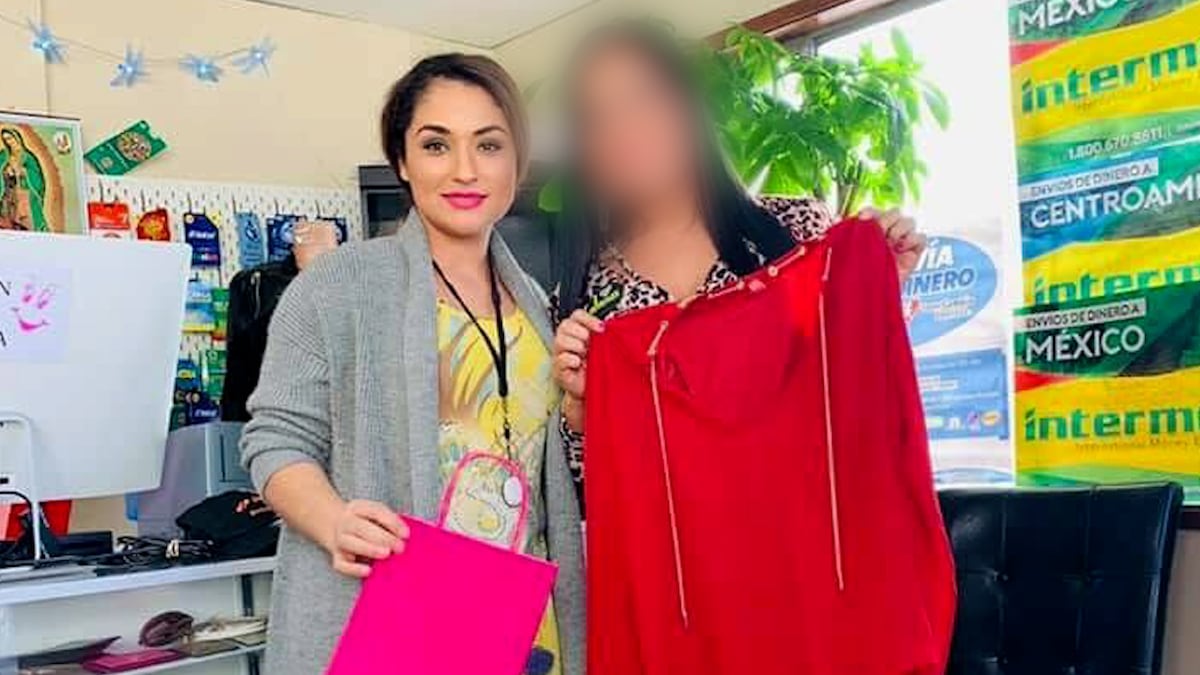 Using piñata and clothing stores in the US, cartels keep sending millions in drug proceeds to Mexico
english.elpais.com
Using piñata and clothing stores in the US, cartels keep sending millions in drug proceeds to Mexico
english.elpais.com
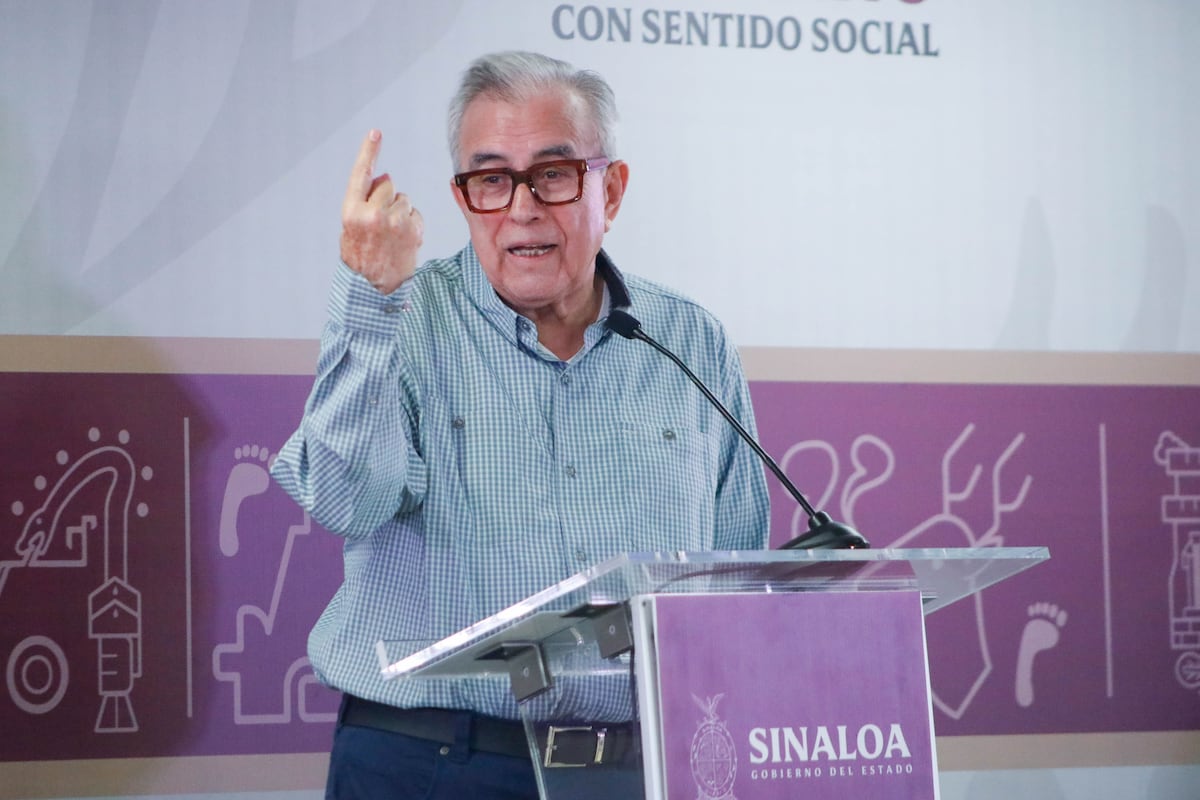 United States keeps up pressure on Mexico over narcopolitics two months after Rubén Rocha indictment
english.elpais.com
United States keeps up pressure on Mexico over narcopolitics two months after Rubén Rocha indictment
english.elpais.com
A cluster of small US storefronts — a flea market in a Georgia suburb, a western-wear shop in Dallas, a chain of outlets in the Pacific Northwest — has become part of the plumbing that moves cartel cash back to Mexico.
El País reports that US authorities have dismantled multiple money-laundering schemes in which modest migrant-area businesses used remittance services to send drug proceeds south in small transfers, mixed into legitimate flows. One case cited by the paper centres on a store in Norcross, outside Atlanta, that investigators say helped move more than $1 million to Mexico on behalf of a trafficking network linked to the Jalisco New Generation Cartel. The alleged method is old-fashioned: cash delivered in bundles kept below reporting thresholds, counted in back rooms, then converted into a high volume of sub-$1,000 transfers under false names.
The scale of the legal channel is what makes the illegal use hard to spot. Remittances from the United States to Mexico totalled $61.8 billion in 2025, El País notes, with an average transfer of $403. For families, that system is lifeline infrastructure; for traffickers, it is cover. The same corridors that connect migrants to home — Guanajuato, Jalisco and Michoacán are top recipients — also overlap with the territorial footprint of major criminal groups. When enforcement tightens on bulk cash smuggling, the business model shifts toward fragmentation: more senders, more recipients, smaller amounts, more plausible paperwork.
El País describes how alleged organisers used authentic Mexican identification documents to make fictitious names look real, and how cooperating defendants said cash was brought to the store using ride-hailing services to avoid patterns. The point is not sophistication; it is volume and camouflage. A remittance clerk processing hundreds of small transactions is paid to keep the line moving, not to interrogate every sender’s story.
The financial story is now colliding with politics. In a separate report, El País says Washington has increased pressure on Mexico over alleged ties between politicians and cartels, citing a US Justice Department case against Sinaloa’s governor and claims — not officially confirmed — that other governors could be targeted. Mexico’s president has framed the campaign as intervention, while party officials reportedly worry about who in their ranks is talking to US authorities.
The result is a two-level squeeze: US agencies chase the money through everyday businesses on US soil, while US officials demand arrests and extraditions inside Mexico. The remittance system keeps operating in the middle, still built for speed and convenience, still trusted by millions of ordinary users.
In Norcross, El País’s reporting places the alleged cash counting behind a storefront window dressed with mannequins and barbecue grills. The money, investigators say, left in transfers small enough to look like everyone else’s.