
US Supreme Court upholds birthright citizenship
Trump vows new legislation after executive order fails, 6–3 ruling keeps 14th Amendment rule in place
Images
 bbc.com
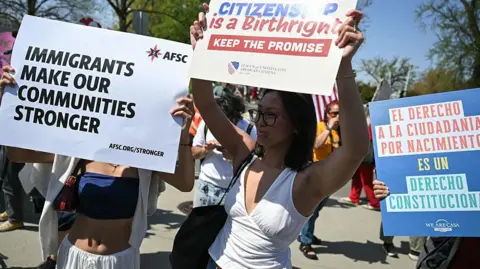 AFP via Getty Images Demonstrators rally in support of birthright citizenship outside the US Supreme Court in Washington, DC on April 1
bbc.com
AFP via Getty Images Demonstrators rally in support of birthright citizenship outside the US Supreme Court in Washington, DC on April 1
bbc.com
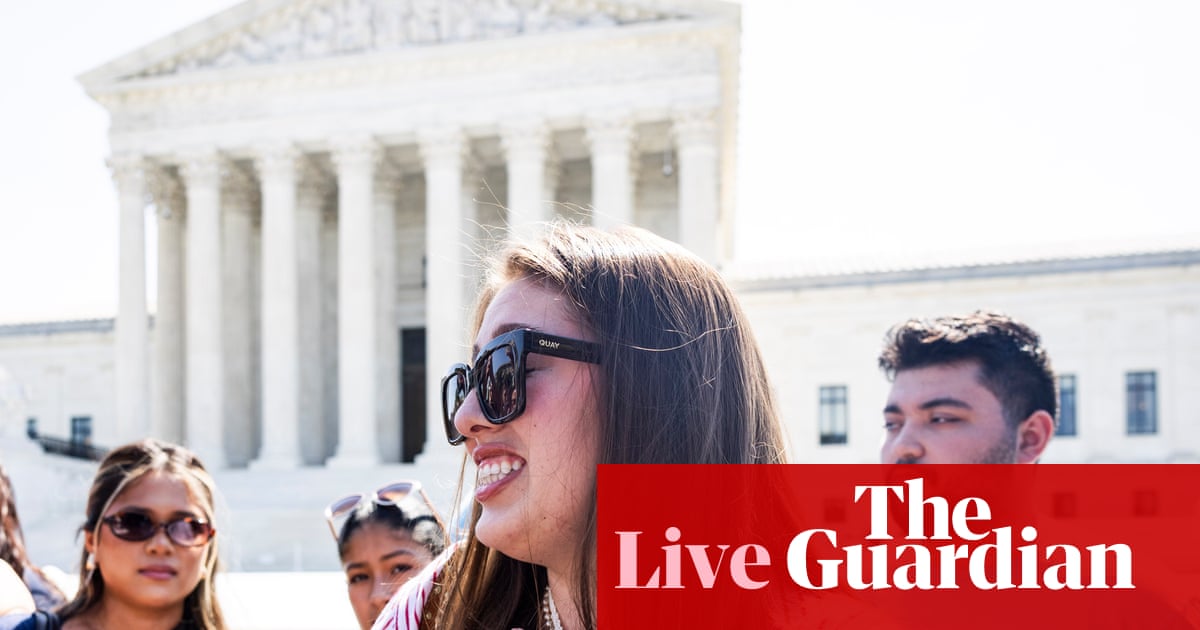 Trump threatens to abolish birthright citizenship through Congress after supreme court rules against him – live
theguardian.com
Trump threatens to abolish birthright citizenship through Congress after supreme court rules against him – live
theguardian.com
US Supreme Court upholds birthright citizenship, Trump shifts fight to Congress after failed executive order, 6–3 ruling leaves immigration incentives untouched
The US Supreme Court ruled that babies born in the United States have a constitutional right to citizenship, rejecting Donald Trump’s attempt to narrow birthright citizenship through an executive order, according to the BBC. In a 6–3 decision, the court held that children born in the US to parents who are unlawfully or temporarily present are citizens at birth under the 14th Amendment.
Chief Justice John Roberts wrote that citizenship is “the right to have rights” and said the framers of the 14th Amendment extended citizenship to every free-born person in the country, the BBC reports. The dissenters—Justices Clarence Thomas, Neil Gorsuch and Samuel Alito—argued that the amendment was being stretched beyond its original purpose. Alito warned that the majority’s reading confers citizenship on virtually anyone born on US soil, including people who arrive to give birth and then leave.
The decision blocks a shortcut that would have changed immigration outcomes without votes in Congress. Trump responded on Truth Social that the ruling was “too bad” and said he would continue the effort through legislation, arguing that no constitutional amendment is required. White House chief of staff Stephen Miller called the ruling one of the court’s most “destructive and outrageous” decisions, while civil-rights groups and immigration advocates welcomed it as a reaffirmation of long-settled law.
Moving the dispute to Capitol Hill forces the administration into the arithmetic it tried to bypass. The Guardian noted that any bill aimed at creating exceptions for children born to parents without permanent legal status would face procedural obstacles, including the Senate’s 60-vote threshold to overcome a filibuster. That means the practical fight shifts from constitutional interpretation to coalition-building—and to whether lawmakers want to take explicit responsibility for changing a rule that has been in place since 1868.
The court’s ruling leaves the underlying incentives intact: citizenship remains automatic at birth, while the political system continues to debate enforcement and legal status after the fact. For now, the legal line is unchanged, and the next move is a legislative one that requires votes rather than signatures.
Trump’s executive order is off the table, and the 14th Amendment’s citizenship clause remains the operative policy at every maternity ward in the country.