
Boko Haram survivors describe childhood abductions in Borno
Splintered insurgency and criminal gangs keep schools in the crosshairs, rescue and stigma arrive together
Images
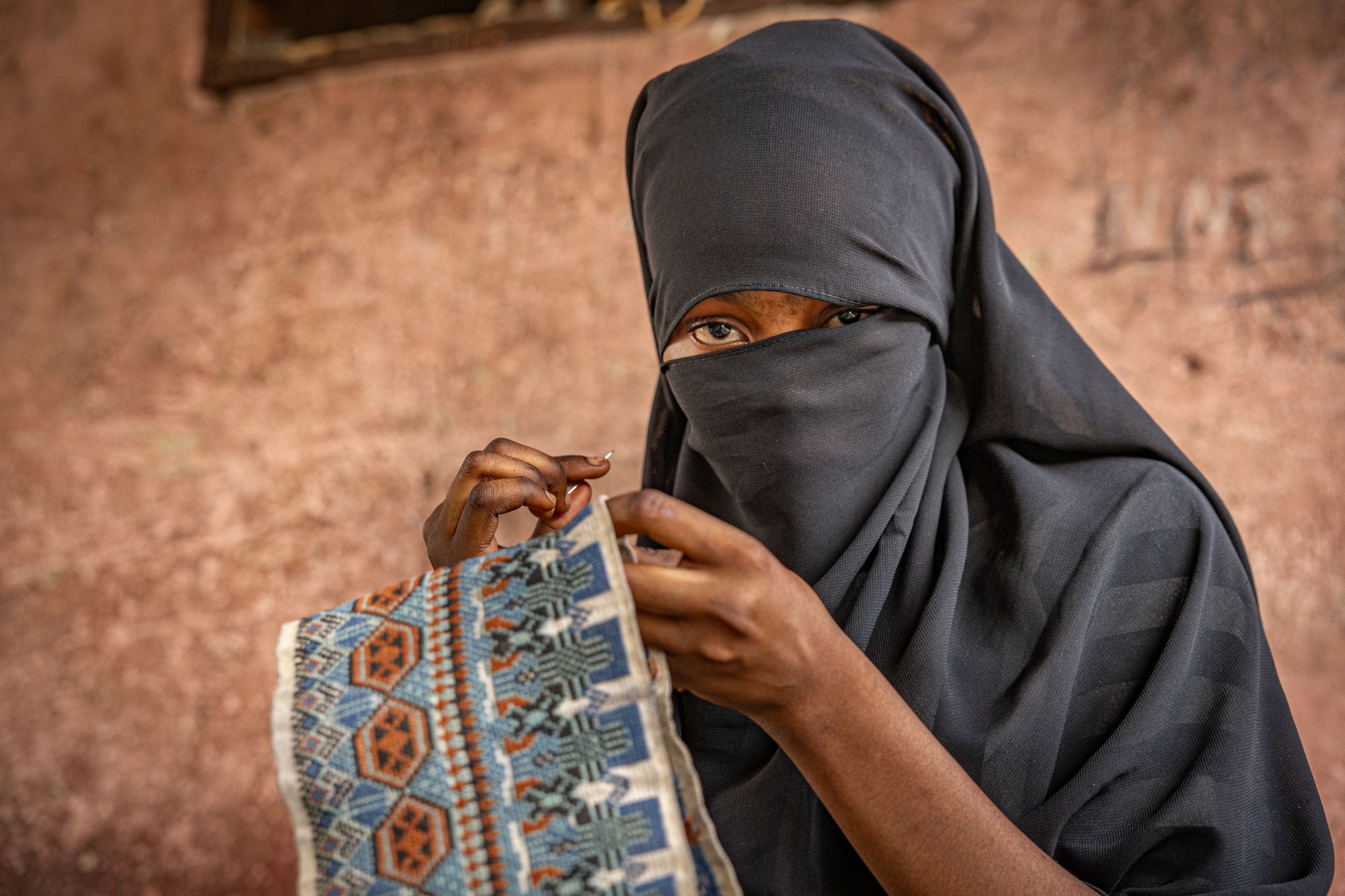 Aisha, 17, who survived 12 years as a slave and child bride by Boko Haram, is one of millions of Nigerian children out of school (Bel Trew/The Independent)
Bel Trew/The Independent
Aisha, 17, who survived 12 years as a slave and child bride by Boko Haram, is one of millions of Nigerian children out of school (Bel Trew/The Independent)
Bel Trew/The Independent
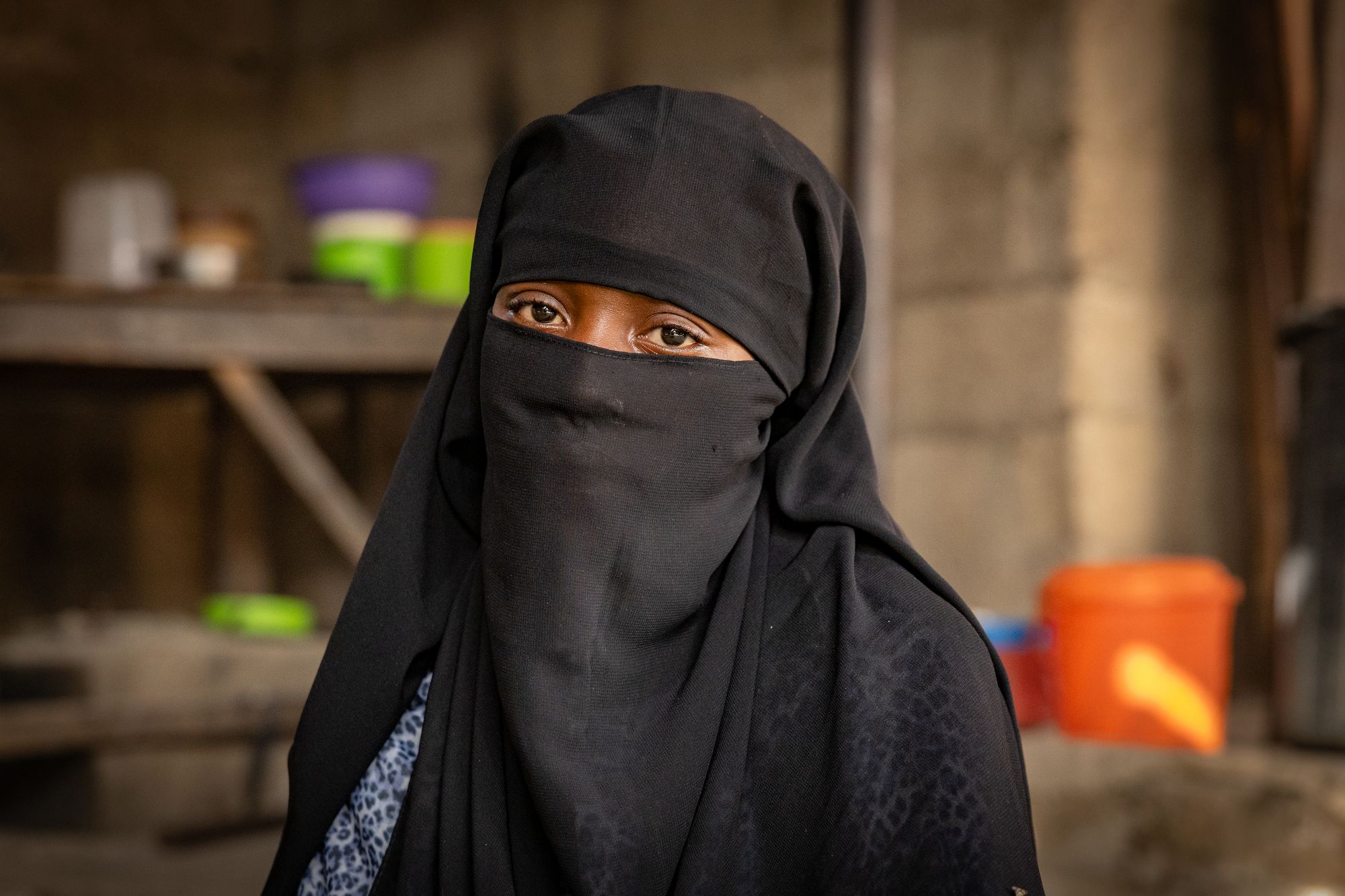 Hawwa, 17, who is living with HIV, was kidnapped by Boko Haram aged 5, held as a child bride - northern Nigeria (Bel Trew/The Independent)
Bel Trew/The Independent
Hawwa, 17, who is living with HIV, was kidnapped by Boko Haram aged 5, held as a child bride - northern Nigeria (Bel Trew/The Independent)
Bel Trew/The Independent
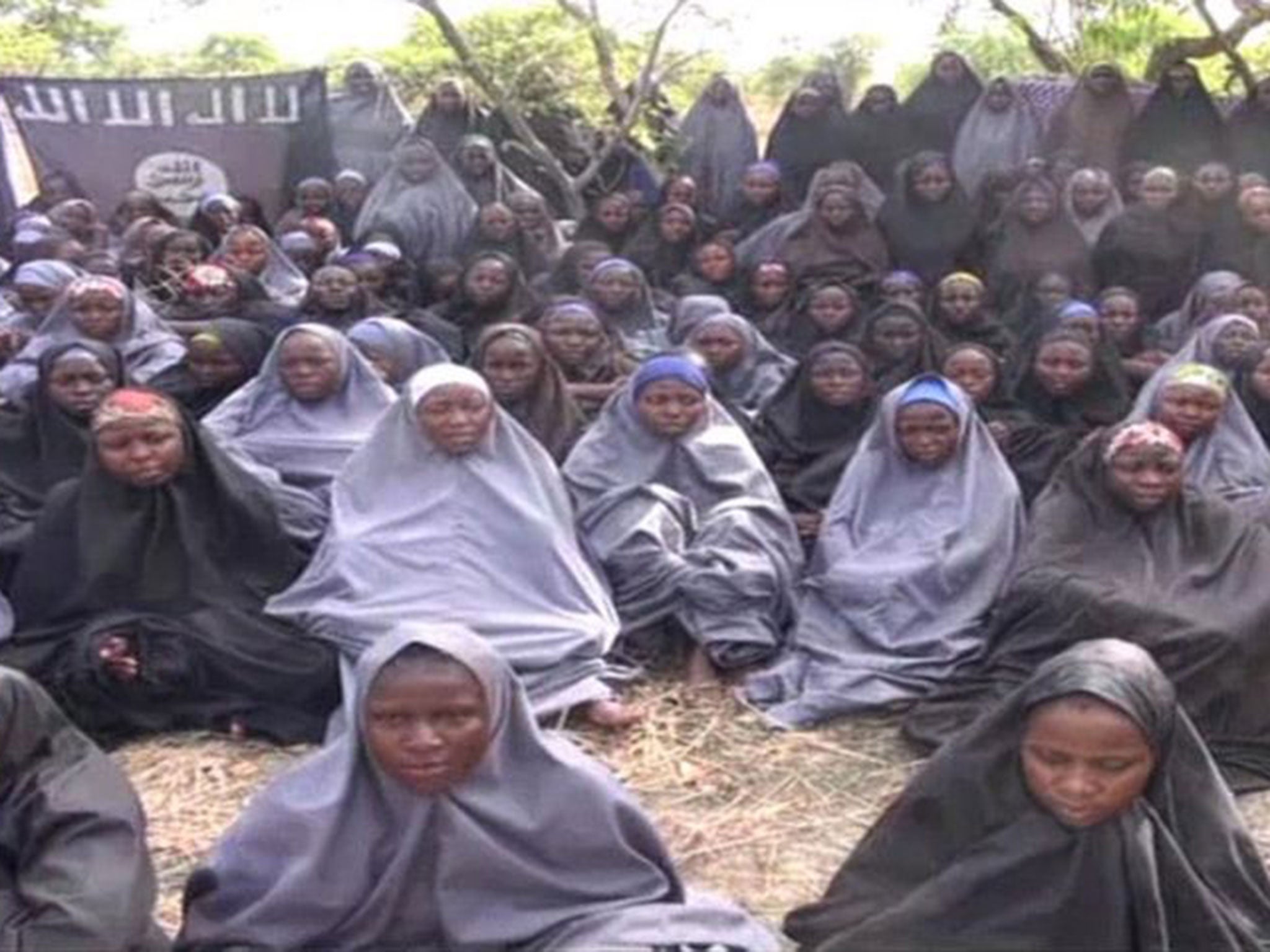 A video shared by Boko Haram showing 130 girls they kidnapped from Chibok (AFP/Getty)
AFP/Getty
A video shared by Boko Haram showing 130 girls they kidnapped from Chibok (AFP/Getty)
AFP/Getty
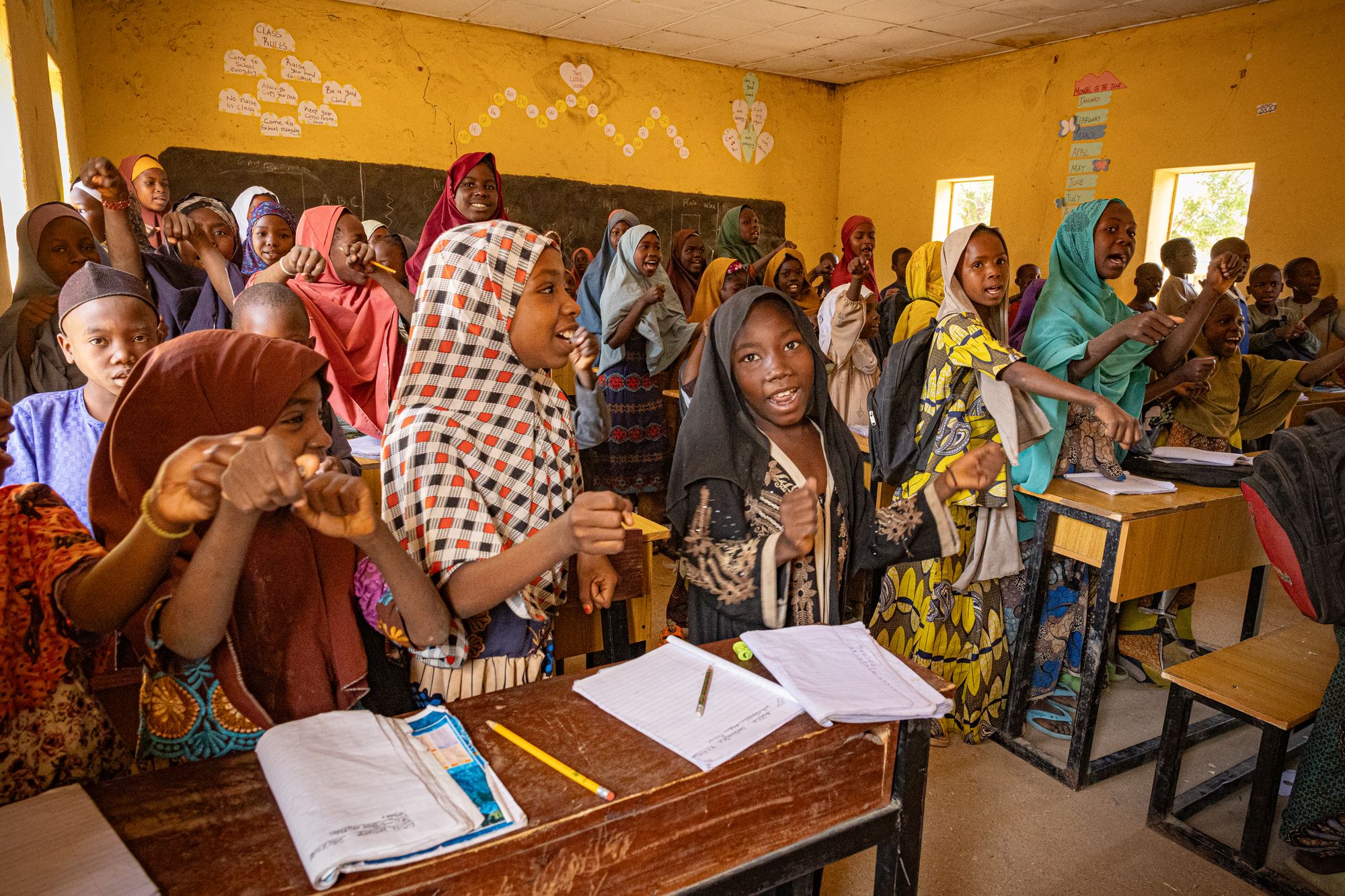 Children in a temporary learning centre in Mubi, Adamawa state do classes so they can rejoin state education (Bel Trew/The Independent)
Bel Trew/The Independent
Children in a temporary learning centre in Mubi, Adamawa state do classes so they can rejoin state education (Bel Trew/The Independent)
Bel Trew/The Independent
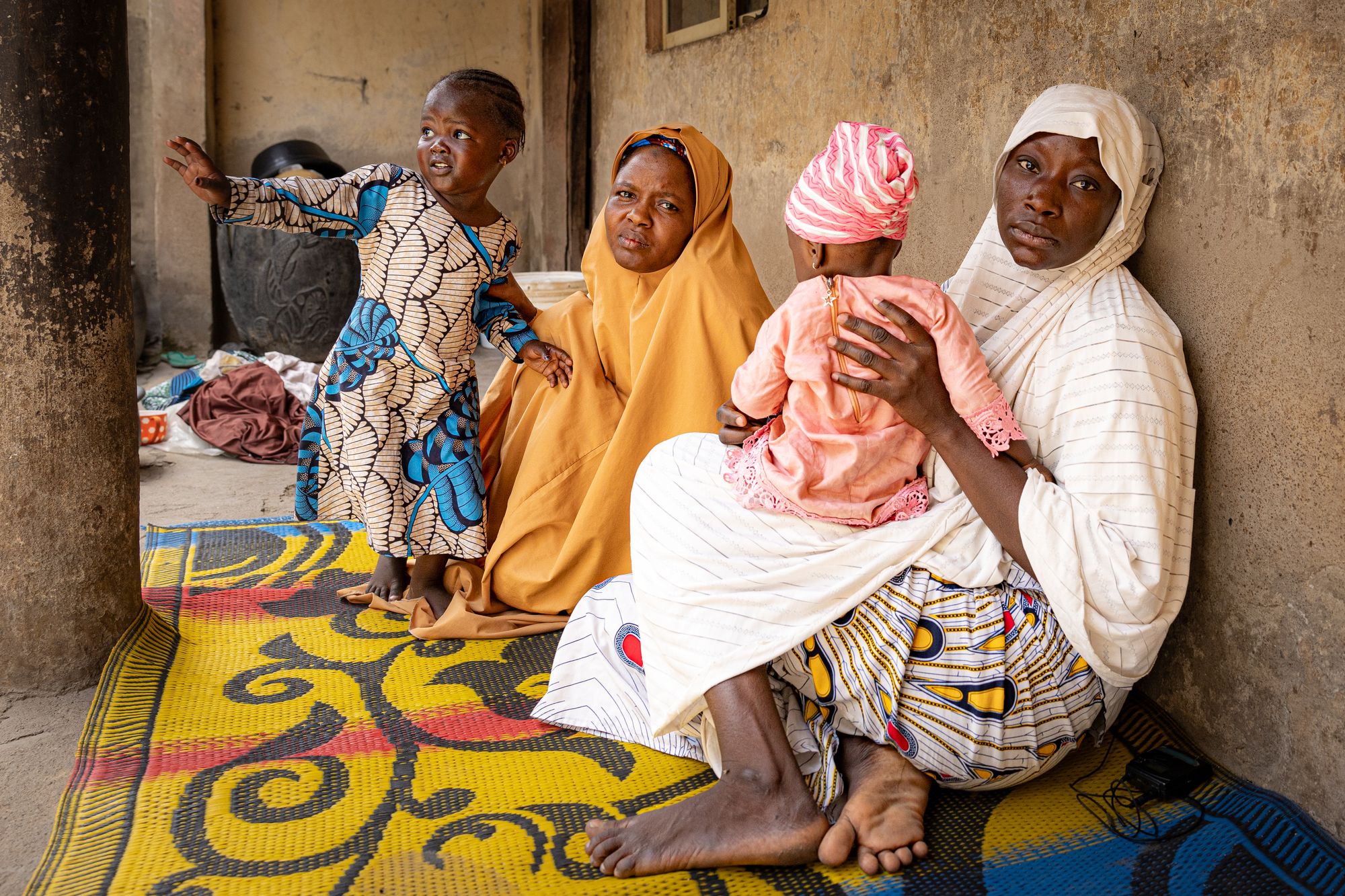 Zaiyatu (right), a 24-year-old mother of three, says her son was kidnapped in 2024 by criminal gangs in northern Nigeria and is still missing (Bel Trew/The Independent)
Bel Trew/The Independent
Zaiyatu (right), a 24-year-old mother of three, says her son was kidnapped in 2024 by criminal gangs in northern Nigeria and is still missing (Bel Trew/The Independent)
Bel Trew/The Independent
Aisha was taken by Boko Haram at age five in Borno state, forced into labour and later marriage, and escaped as a teenager with a child she says she cannot attribute to any one man, according to The Independent. Another survivor, Hawwa, also abducted at five, was rescued only recently when Nigerian soldiers stormed the camp where she was held; she is living with HIV and facing stigma and depression after release, the paper reports. Their accounts sit inside a war now more than a decade old, in which schools and children have remained a deliberate target.
The Independent’s reporting describes an insurgency that has kept its grip by turning everyday life into a security problem families must solve themselves. Boko Haram’s name is commonly translated as “Western education is forbidden”, and the group’s focus on schools became especially visible after the 2014 abduction of more than 300 girls from Chibok. At least 90 of those girls are still believed to be in captivity or unaccounted for, The Independent reports, a number that has become a measure of both the group’s reach and the state’s limits.
Over time, the threat has fragmented rather than disappeared. The Independent says Boko Haram has splintered into multiple armed factions, including Islamic State affiliates, and notes that the United States bombed Islamic State-linked targets in Nigeria for the second time last month. Airstrikes can kill commanders, but they do not reopen rural schools, escort children to class, or rebuild the trust that allows communities to share information without fearing retaliation. In the vacuum, the paper reports, gangs have expanded into abducting children as well, with officials suspecting links to an illegal adoption market and organ harvesting.
Data points in the article underline how kidnapping has become a repeatable business model. ACLED recorded at least 16 mass abductions of students from schools and hostels in northern Nigeria over the last decade by criminal and militant Islamist groups, The Independent reports. The UN warned in 2024 of a renewed surge in schoolchild abductions despite efforts to combat the crisis. The effect is not only the immediate violence but the long-term price paid in education foregone, families displaced, and communities that treat schooling as a risk exposure rather than an investment.
A former Boko Haram commander interviewed by The Independent said attacking schools was part of the group’s “doctrine” and admitted to burning a school during a night raid he oversaw in 2015. He described remorse after later leaving the group and serving prison time. For families still weighing whether to send children to class, the calculation is more basic: whether the state can keep a school standing through the night.
In Borno, the survivors The Independent interviewed are rebuilding lives around children born in captivity and illnesses contracted there. The schools that drew the militants in the first place are still being treated as soft targets.