
Starmer adds £15bn for UK defence
Road and energy capital projects scrapped to fund uplift, spending totals rise as domestic investment is cut instead
Images
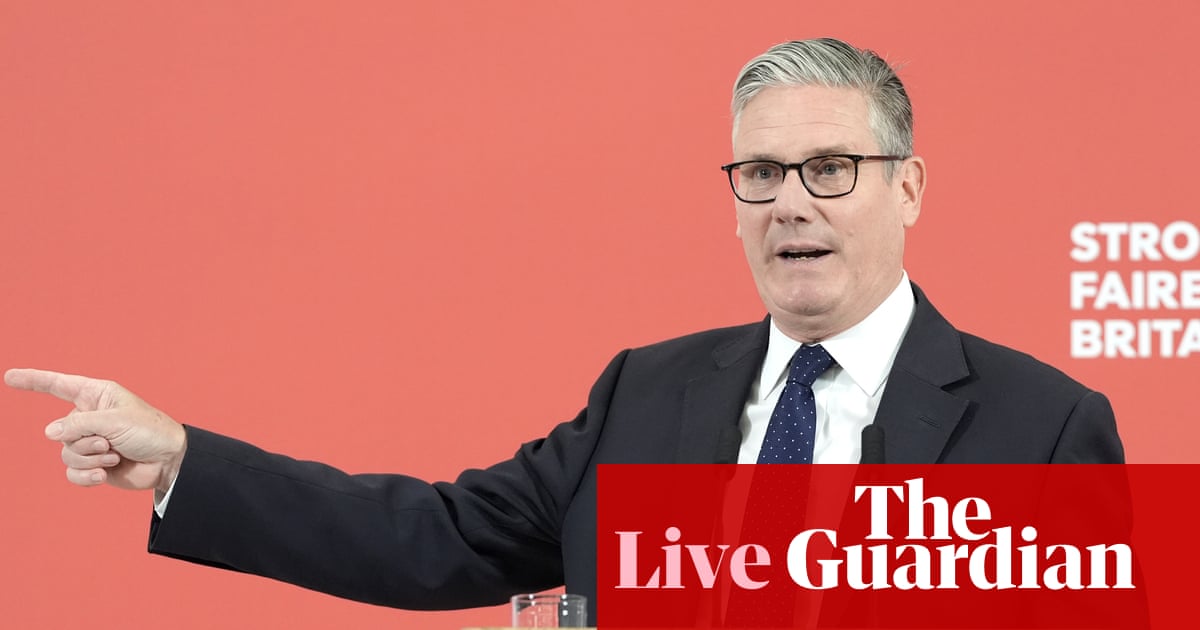 Starmer unveils extra £15bn for UK defence, with some road and energy projects scrapped to fund rise – politics live
theguardian.com
Starmer unveils extra £15bn for UK defence, with some road and energy projects scrapped to fund rise – politics live
theguardian.com
Keir Starmer has pledged an additional £15bn for UK defence, according to the Guardian’s politics live blog, with the government saying the uplift will be paid for by scrapping some capital projects in areas including roads and energy. The announcement sits inside a wider “defence investment plan” that ministers say will take total defence spending to almost £300bn over the next four years, from £270bn over the spending review period.
The immediate political problem is arithmetic rather than rhetoric. A large, multi-year defence commitment does not only compete with day-to-day public services; it competes with the long list of capital schemes that departments use to show visible progress—new links, upgrades, and projects that can be photographed, announced, and later quietly delayed. The Guardian reports that departments will be asked to contribute to capital budget savings, with those holding the biggest capital budgets expected to shoulder more of the cuts. It also reports an instruction to make “better use of assets” such as underused land, a familiar Whitehall move that turns balance-sheet items into a funding source when cash is tight.
By framing the cancelled schemes as “important but not immediately vital,” the government is trying to separate two kinds of risk: the near-term risk of domestic backlash from cancelled projects, and the longer-term risk of underfunding defence in an era when European governments are being pushed to do more themselves. But the mechanism—cutting other investment to pay for defence—also has second-order effects. Road and energy capital projects are the kind of spending that can lower costs for households and firms over time; defence spending, by contrast, often concentrates benefits in specific regions and supply chains, while the bill is national.
The plan is presented as the biggest sustained rise in defence spending since the 1980s. That comparison underlines the scale of the promise, but it also highlights why internal tensions emerge quickly: once the defence line rises, every other department’s “protected” project becomes a potential offset. In practice, the politics of the next few years may hinge less on the headline defence totals than on which local projects are dropped, which are rebranded, and which are kept alive through land sales and accounting moves.
Starmer’s announcement puts a number on the table; the government’s chosen funding method puts a list of cancelled projects behind it.