
Ship traffic plunges in Strait of Hormuz after weekend attacks
Kpler data show transits fall from 74 midweek to 12 Sunday, reopening becomes a question of who controls the corridor
Images
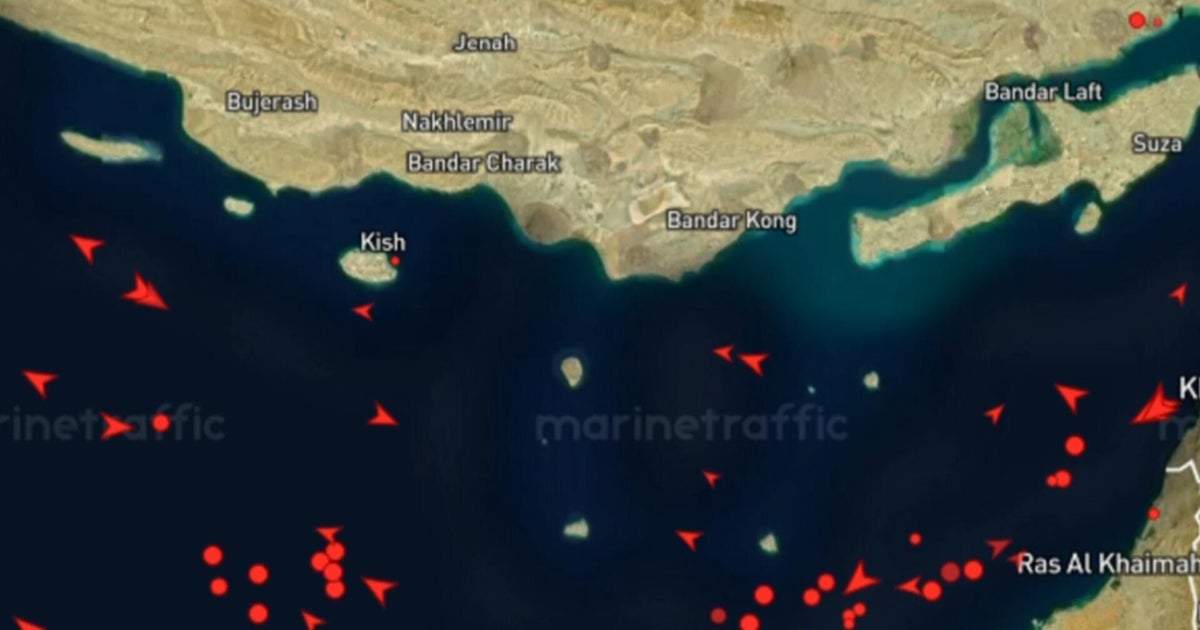 Ship traffic drops in Strait of Hormuz after weekend attacks
cbsnews.com
Ship traffic drops in Strait of Hormuz after weekend attacks
cbsnews.com
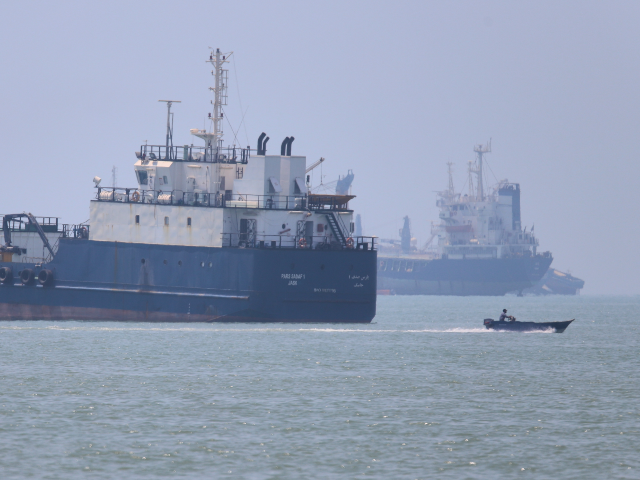 breitbart.com
Ship traffic through the Strait of Hormuz fell sharply over the weekend after renewed attacks on commercial vessels and retaliatory US strikes, according to figures cited by CBS News from maritime tracking firm Kpler. Kpler recorded 74 ships transiting the strait on Wednesday, then 29 on Saturday and 12 on Sunday. The drop followed an Iranian drone strike on a ship on Thursday and a second attack over the weekend, CBS reports.
The numbers matter because Hormuz is not just a battlefield; it is a scheduling system for global energy and container shipping. When transits fall from dozens a day to a handful, the shortage first appears as rerouted voyages, idle crews and delayed cargo, then as higher insurance and freight costs that get passed along quietly. Shipping companies respond by treating each passage as a bespoke security operation rather than a routine voyage, a shift Hapag-Lloyd described in comments relayed by Fox News Digital and cited by Breitbart. That kind of “individual risk assessment” is expensive, and it rewards actors who can impose uncertainty at low marginal cost.
Reporting aggregated by Breitbart from Lloyd’s List and other outlets describes a de facto split route system: an Iran-coordinated northern track and a US-assisted southern corridor, with pre-war routes described as unusable after mine deployments. In that picture, the immediate contest is less about closing the strait outright than about deciding who can promise safe passage, and on what terms. Iranian Foreign Minister Abbas Araghchi, speaking in Baghdad alongside Iraq’s foreign minister, framed reopening as a return to capacity under Iran’s management, and asked other parties not to interfere with Iran’s arrangements, according to Breitbart. CBS, meanwhile, links the weekend’s missile and drone strikes on US bases to the same sequence of events: attacks on shipping, US retaliation, and then further escalation.
A separate strand in the Breitbart item points to how control can be asserted even when international traffic stays away. Windward maritime intelligence data cited there describes Iranian oil tankers loading at Kharg Island while many vessels in waiting areas are “dark,” not broadcasting location. If Iran can move its own exports while other shippers hesitate, the economic pain becomes asymmetrical: the risk premium concentrates on outsiders while the state that sets the terms collects leverage.
On Sunday, Kpler’s count was 12 ships. That is a concrete measure of how quickly a chokepoint can turn from global commons to negotiated passage.